13 Common Warning Signs of Endometriosis You Should Not Ignore
Many women deal with discomfort every month during their period and assume it is simply something they have to live with. However, when the pain becomes severe enough to interfere with normal activities, lasts longer than ordinary cramps, or shows up in unusual ways, it may point to a more serious condition such as endometriosis.
This condition affects millions of people and can lead to chronic pelvic pain, exhaustion, and ongoing physical and emotional strain. Over time, it may influence work, relationships, fertility, and overall quality of life. One of the biggest challenges is that the symptoms are often brushed off as “normal period pain” or blamed on stress.
Recognizing these warning signs earlier may help you seek medical support sooner. Below, we cover 13 common symptoms of endometriosis, based on information from major health organizations, along with practical ways to monitor what you are experiencing and talk to a healthcare provider about it. At the end, you will also find a simple daily habit that many people use to improve everyday comfort.
What Is Endometriosis and Why Are Symptoms Important?
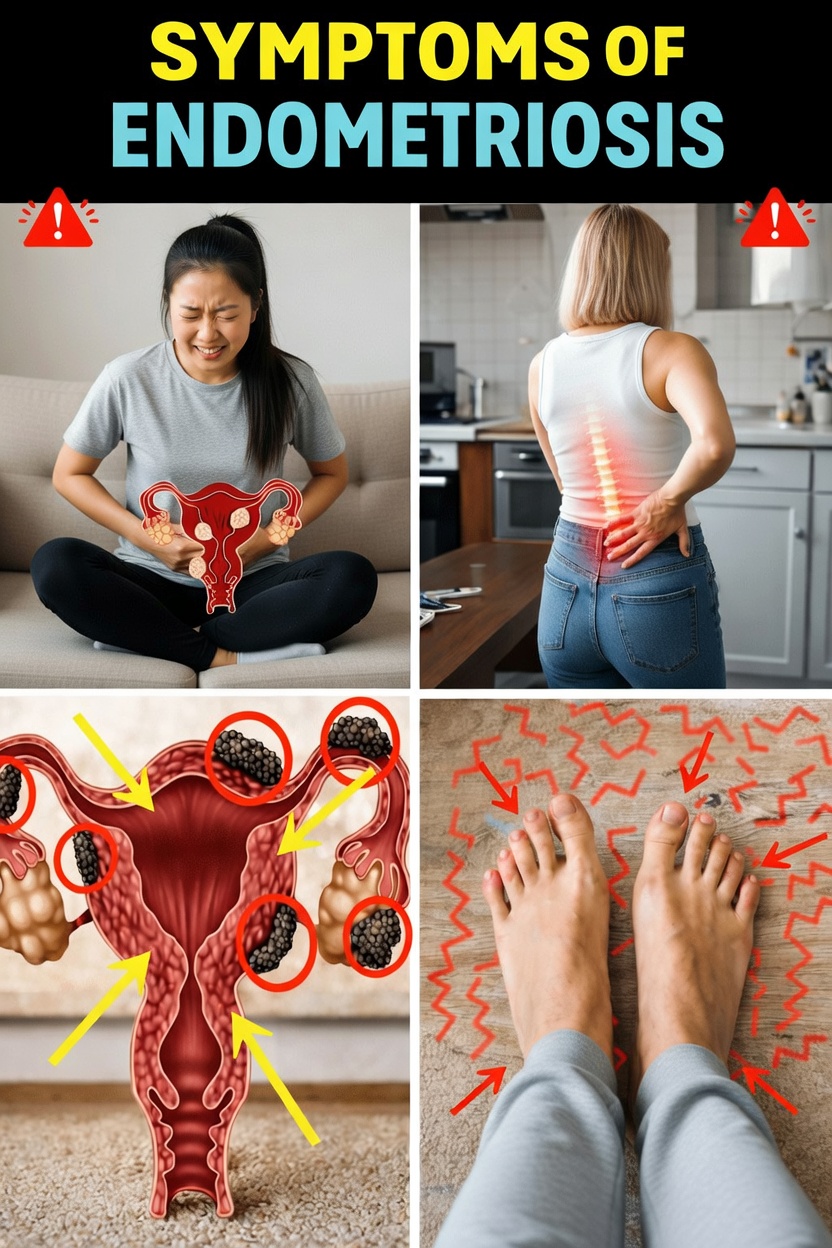
Endometriosis happens when tissue similar to the lining of the uterus grows outside the uterus. It is often found on the ovaries, fallopian tubes, or the lining of the pelvis. According to respected medical sources such as the Mayo Clinic and Cleveland Clinic, this misplaced tissue can cause inflammation, irritation, scar tissue, and significant pain, especially around the menstrual cycle.
Symptoms do not look the same for everyone. Some people have only mild discomfort, while others experience pain severe enough to disrupt daily life. A major concern is that symptoms may gradually worsen over time when left unaddressed. Research also suggests that many people wait years before receiving a proper evaluation, which is why early awareness matters.
13 Common Signs of Endometriosis
Not everyone with endometriosis has every symptom. Still, if several of these signs overlap, they deserve attention.
1. Severe Menstrual Cramps That Interrupt Daily Life
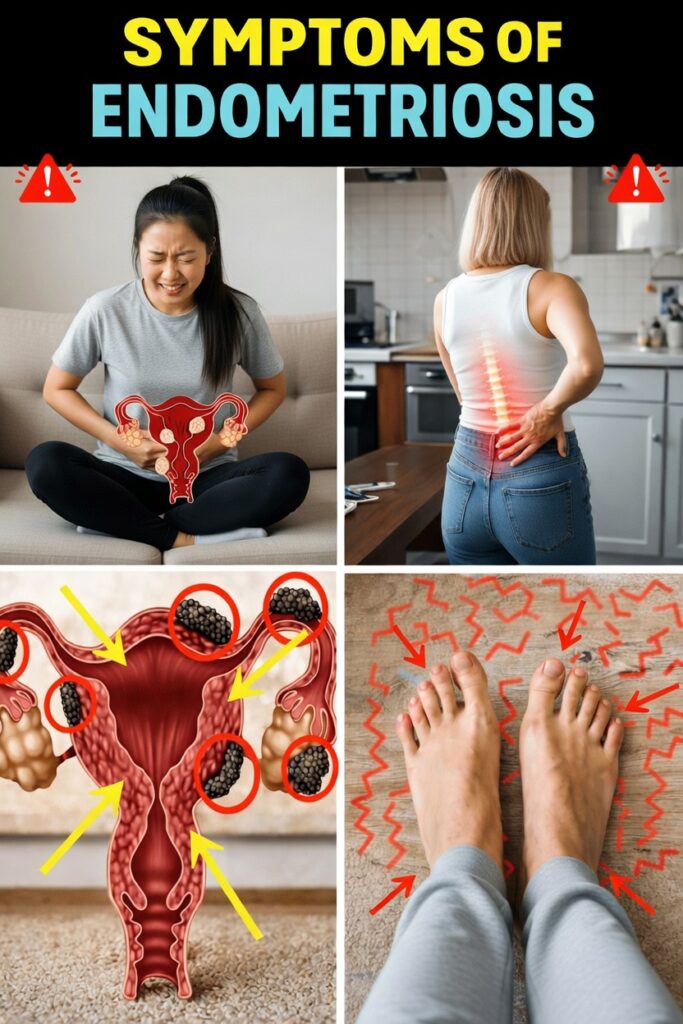
Painful periods are one of the most commonly reported signs. Unlike typical menstrual cramps, this pain may begin before bleeding starts, continue for longer than expected, and feel too intense for standard pain relief to manage. It may even cause missed work, school, or social plans.
2. Pelvic Pain Outside of Your Period
Endometriosis pain is not always limited to menstruation. Some people feel a constant ache, pressure, or throbbing sensation in the lower abdomen or pelvic area throughout the month.
3. Lower Back or Lower Abdominal Pain
Pain may spread into the lower back or abdomen, especially during a menstrual cycle. It can be mistaken for muscle tension or normal period discomfort, but its repeated pattern may suggest something more.
4. Pain During or After Sex
Pain during intercourse, also called dyspareunia, is another common sign. The discomfort can be mild or intense and may continue afterward. In some cases, it is linked to tissue growth in sensitive pelvic areas.
5. Pain During Bowel Movements
Some people experience cramping, pressure, or pain when having a bowel movement, especially during their period. This may happen along with bloating, constipation, or diarrhea that worsens at certain times of the cycle.
6. Painful Urination or Bladder Symptoms
A feeling of burning, pressure, or discomfort while urinating, especially during menstruation, can also occur. Some may notice a frequent need to urinate or, in rare cases, blood in the urine.

7. Heavy Bleeding or Spotting Between Periods
Menstrual flow that is unusually heavy, lasts longer than usual, or causes you to soak through pads or tampons quickly may be a warning sign. Some people also notice unexpected spotting between cycles.
8. Ongoing Fatigue That Rest Does Not Fix
Persistent tiredness is another issue linked to endometriosis. This may be related to chronic pain, inflammation, or heavy bleeding that contributes to anemia. Many people describe feeling drained even after a full night of sleep.
9. Digestive Issues Around Your Cycle
Nausea, bloating, stomach upset, constipation, or diarrhea that becomes worse before or during a period can sometimes be connected to endometriosis. These symptoms may resemble IBS, but the timing with the menstrual cycle is an important clue.
10. Trouble Getting Pregnant
Difficulty conceiving can sometimes be one of the first signs that leads to diagnosis. Endometriosis may affect the ovaries, fallopian tubes, or implantation process, making pregnancy harder for some people.
11. Nausea or Vomiting During Your Period
Severe cramping can sometimes trigger nausea or even vomiting, adding another layer of difficulty during menstruation.
12. Mood Changes and Emotional Stress
Living with ongoing pain and fatigue can take a real emotional toll. It is common to feel irritable, anxious, overwhelmed, or low in mood, especially when symptoms repeatedly interfere with normal life.
13. Pain That Gets Worse Over Time
A clear pattern of symptoms becoming more severe from one cycle to the next is an important red flag. Medical literature often identifies progressively worsening pain as a sign that should not be ignored.
Quick Overview of Common Endometriosis Symptoms
Here is a simple summary of the most frequently reported issues:
Pain-Related Symptoms
- Severe menstrual cramps
- Pelvic pain
- Lower back pain
- Pain during sex
- Pain with bowel movements
- Painful urination
Cycle-Related Symptoms
- Heavy periods
- Spotting between periods
- Nausea
- Bloating
- Digestive changes linked to menstruation
Other Effects
- Chronic fatigue
- Fertility difficulties
- Emotional stress or mood changes
Keeping track of these symptoms can make patterns easier to notice.
How to Track Symptoms and Talk to a Healthcare Provider
One helpful step is to keep a symptom diary for two to three menstrual cycles. This does not need to be complicated. Record:
- When the pain begins and when it stops
- How strong it feels on a scale from 1 to 10
- What seems to improve it
- What seems to make it worse
- Any changes in digestion, urination, bleeding, or energy levels
Bring these notes to your doctor or gynecologist. Being specific about how symptoms affect your daily routine can make the conversation more productive. Major health organizations, including the World Health Organization, highlight the value of early discussions and accurate symptom tracking in helping people understand and manage the condition.

Simple Comfort Measures That May Help
While these steps do not treat the root cause of endometriosis, many people find them useful for day-to-day relief:
- Applying gentle heat to the lower abdomen
- Taking light walks or doing gentle movement
- Practicing relaxation techniques on difficult days
- Prioritizing rest and hydration
A simple daily habit many people find helpful is tracking comfort levels each day in a journal or phone note, even when symptoms are mild. This can reveal patterns you might otherwise miss.
When to Seek Professional Support
If several of these signs sound familiar and they are affecting your quality of life, it is a good idea to consult a gynecologist or another qualified specialist. They may review your medical history, perform an exam, and recommend next steps such as imaging, further testing, or referral to a specialist.
Final Thoughts: Pay Attention to the Pattern
Endometriosis symptoms are often hidden behind the phrase “just bad periods,” but they should not be ignored. From disabling cramps to unusual fatigue, these signs can seriously affect daily life. Noticing the pattern, documenting what you feel, and discussing it openly with a healthcare provider are important steps toward protecting your health.
Frequently Asked Questions
What makes endometriosis symptoms flare up?
Hormonal changes during the menstrual cycle often trigger inflammation in affected tissue, which can lead to stronger pain and other symptoms.
Can endometriosis symptoms start suddenly?
In many cases, symptoms build gradually over time. However, some people notice a sharp increase in pain after years of milder discomfort.
Does pelvic pain always mean endometriosis?
No. Pelvic pain can be caused by many different conditions. That is why a professional medical evaluation is important to identify the real cause.