
Amlodipine Side Effects You Should Know About
Amlodipine is widely prescribed to manage high blood pressure and certain heart-related conditions. It can play an important role in protecting cardiovascular health, but it may also cause side effects that catch many patients off guard. Because some of these reactions are not always fully discussed during routine appointments, people may start the medication without knowing what to expect.
If you are currently taking Amlodipine or thinking about using it, understanding its possible side effects can help you respond early and manage symptoms more confidently.
How Amlodipine Works in the Body
Amlodipine helps relax and widen blood vessels, making it easier for blood to flow and reducing the workload on the heart. This effect can lower blood pressure and relieve chest pain linked to angina. Although the medicine is effective for many people, it can also trigger unwanted reactions.
Some side effects are mild and improve as the body adjusts. Others may be more noticeable or uncomfortable and deserve closer attention. Beyond the commonly mentioned issues like slight dizziness or swelling, there are several other effects that patients may not expect.

12 Possible Side Effects of Amlodipine
1. Swelling in the Ankles and Feet
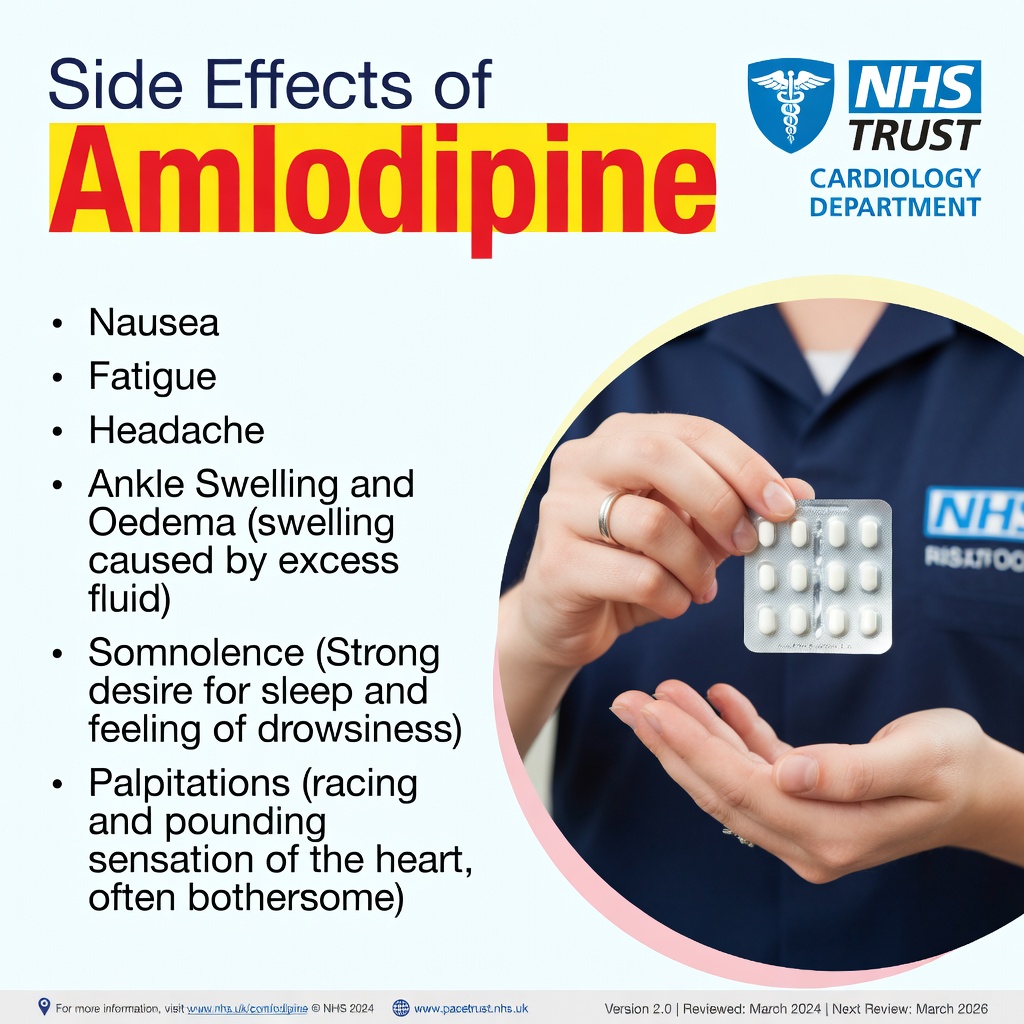
One of the best-known side effects of Amlodipine is swelling in the lower legs, especially the ankles and feet. This is called edema. It happens because relaxed blood vessels can allow fluid to collect in the lower parts of the body.
In many cases, this swelling is not dangerous, but it should still be watched. It may become more obvious after sitting or standing for long periods.
2. Facial Flushing
Some people notice redness or warmth in the face and neck after taking Amlodipine. This flushing happens when blood vessels expand more than usual. It can appear shortly after a dose and may feel like sudden heat in the skin.
For most people, the redness fades within a few hours, but it can still feel uncomfortable while it lasts.
3. Headaches
Headaches are another fairly common reaction. They can be mild or intense and may continue for several hours. This often happens as blood pressure begins to fall and the body adjusts to the medication.
Although these headaches are usually temporary, they are still worth tracking, especially if they become frequent or severe.
4. Hand and Finger Discomfort
Some users report aching, stiffness, or discomfort in the hands and fingers. This can make simple tasks such as gripping objects or typing feel more difficult.
The exact reason is not fully clear, but it may be related to changes in blood flow caused by the medication. Gentle hand movement and stretching may help reduce stiffness.
5. Swollen or Overgrown Gums
A lesser-known side effect of Amlodipine is gum swelling or gum overgrowth, also known as gingival hyperplasia. The gums may look enlarged, red, or irritated, and brushing or eating may become uncomfortable.
Good oral hygiene and regular dental checkups can help control this issue and reduce worsening symptoms.
6. Dizziness or Lightheadedness
Amlodipine can make some people feel dizzy, especially when getting up too quickly from a chair or bed. This is often linked to the medicine’s blood pressure-lowering effect.
Moving slowly when standing up can help reduce the risk of feeling faint or unsteady.
7. Palpitations or Irregular Heartbeats
Although Amlodipine is designed to support heart health, some people may notice palpitations or an irregular heartbeat while taking it. These sensations may feel like the heart is pounding, racing, or skipping beats.
If this happens regularly or feels alarming, it is important to speak with a healthcare professional.
8. Nausea and Stomach Discomfort
Digestive symptoms can also occur. Some people experience nausea, indigestion, or mild abdominal pain after starting Amlodipine. These issues are often temporary and may improve as the body becomes used to the drug.
Taking the medication with food may help lessen stomach upset for some individuals.
9. Tiredness and Weakness
Fatigue is another possible reaction. While the medication helps lower blood pressure, some patients may feel unusually drained or weak, especially during the early phase of treatment.
Resting when needed and avoiding overexertion can be useful while the body adjusts.
10. Skin Rash
In certain cases, Amlodipine may lead to a rash. This may be mild, but if the rash spreads, becomes severe, or is accompanied by other symptoms, it could point to an allergic response.
Medical advice should be sought promptly if the rash appears serious or worsens.
11. Sleep Problems
Sleep disturbances are not discussed as often, but some users report trouble falling asleep or staying asleep. Changes in blood pressure or the body’s adjustment to the medicine may influence sleep quality.
If sleep issues continue, a doctor may advise whether changing the timing of the dose could help.
12. Mood Changes or Depressive Feelings
A small number of people may notice emotional changes, including mood swings, low mood, or sadness. Not everyone will experience this, but mental well-being is just as important as physical side effects.
If your mood changes after starting Amlodipine, discuss it with your doctor. A dose adjustment or alternative treatment may be considered.
What to Do If You Notice Side Effects
Seeing side effects can be worrying, but most reactions to Amlodipine are mild and improve over time. The key is to pay attention to your symptoms and not ignore changes that persist or interfere with daily life.
If side effects become troublesome or do not go away, contact your healthcare provider. They may lower the dose, suggest ways to manage the symptoms, or switch you to another medication if necessary.

Practical Tips to Manage Amlodipine Side Effects
- Stay hydrated: Drinking enough water may help with dryness and general discomfort.
- Keep moving: Light exercise can improve circulation and may reduce swelling.
- Eat a balanced diet: Nutritious meals support the body as it adapts to medication.
- Check your blood pressure regularly: Monitoring readings can help you understand how the drug is affecting you.
- Rise slowly: Standing up gradually may reduce dizziness and lightheadedness.
- Maintain oral hygiene: Brushing, flossing, and seeing a dentist regularly can help manage gum-related problems.
Final Thoughts
Amlodipine is an effective treatment for high blood pressure and certain heart conditions, but it is not free from side effects. Many reactions are mild and temporary, yet some can be uncomfortable or unexpected. Knowing what to watch for can help you respond appropriately and avoid unnecessary concern.
Always monitor how your body feels after starting the medication, and speak with your doctor if symptoms seem unusual, persistent, or severe.
Frequently Asked Questions
Q1: Can Amlodipine cause sudden dizziness?
Yes. Dizziness is a common side effect, especially when standing up quickly after sitting or lying down.
Q2: Is gum swelling from Amlodipine dangerous?
Usually, it is not serious, but it can be uncomfortable and make oral care more difficult. Regular dental visits can help keep it under control.
Q3: How long do Amlodipine side effects last?
Many side effects are temporary and improve as your body adjusts to the medication. If symptoms continue or worsen, you should consult your healthcare provider.