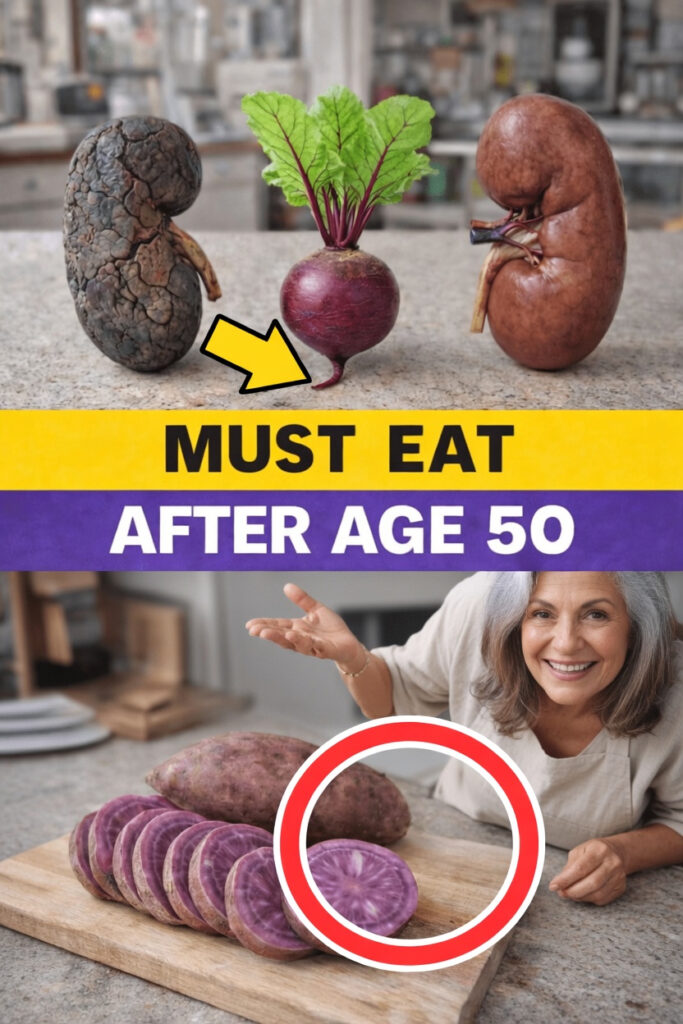
12 Natural Foods That Can Support Energy, Heart Health, and Mobility After 50
Once we pass age 50, it is common to notice subtle but meaningful changes in the body. You may feel less energetic, find it harder to stay active, or become more aware of heart health and joint comfort. While these shifts are a normal part of aging, nutrition can play a powerful role in helping you feel stronger, steadier, and more vibrant.
A growing body of research shows that eating more nutrient-dense whole foods can help maintain energy, support cardiovascular health, and encourage better mobility over time. Some everyday foods are especially valuable because they deliver a strong mix of vitamins, antioxidants, fiber, and healthy fats. Among them, one colorful root vegetable deserves far more attention than it usually gets.
Why Nutrition Becomes More Important After 50
As we age, the body works a little differently. Metabolism tends to slow, maintaining muscle mass requires adequate protein and key nutrients, and the effects of daily oxidative stress build up over time. Studies suggest that diets rich in antioxidants, fiber, omega-3 fatty acids, and minerals such as potassium and magnesium may help support energy production, heart rhythm, and day-to-day joint comfort.
This is one reason Mediterranean-style eating patterns are so often linked with healthy aging. These approaches focus on vegetables, fruits, legumes, whole grains, lean protein, and beneficial fats.
The good news is that you do not need to completely change your diet all at once. Adding a few enjoyable, nourishing foods consistently can make a real difference. Below are 12 natural foods worth including more often, along with easy ways to fit them into your routine.
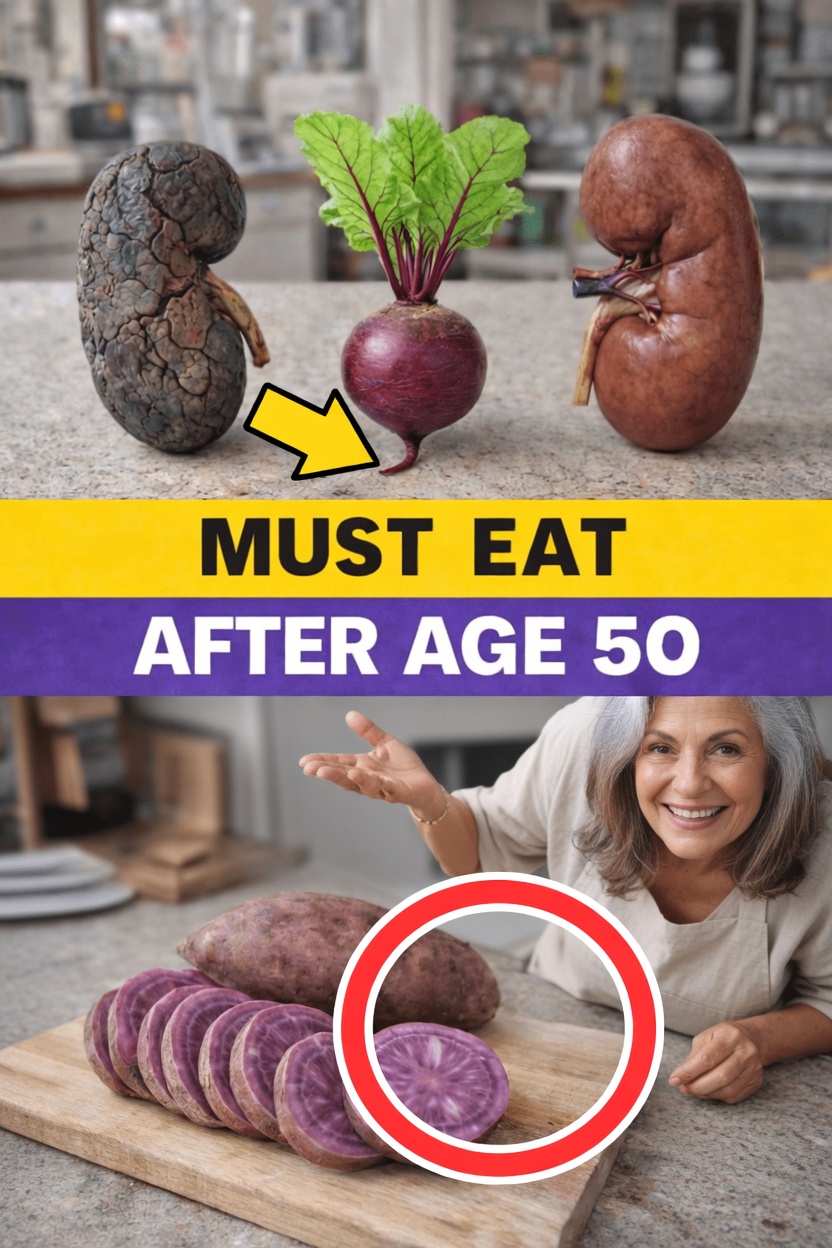
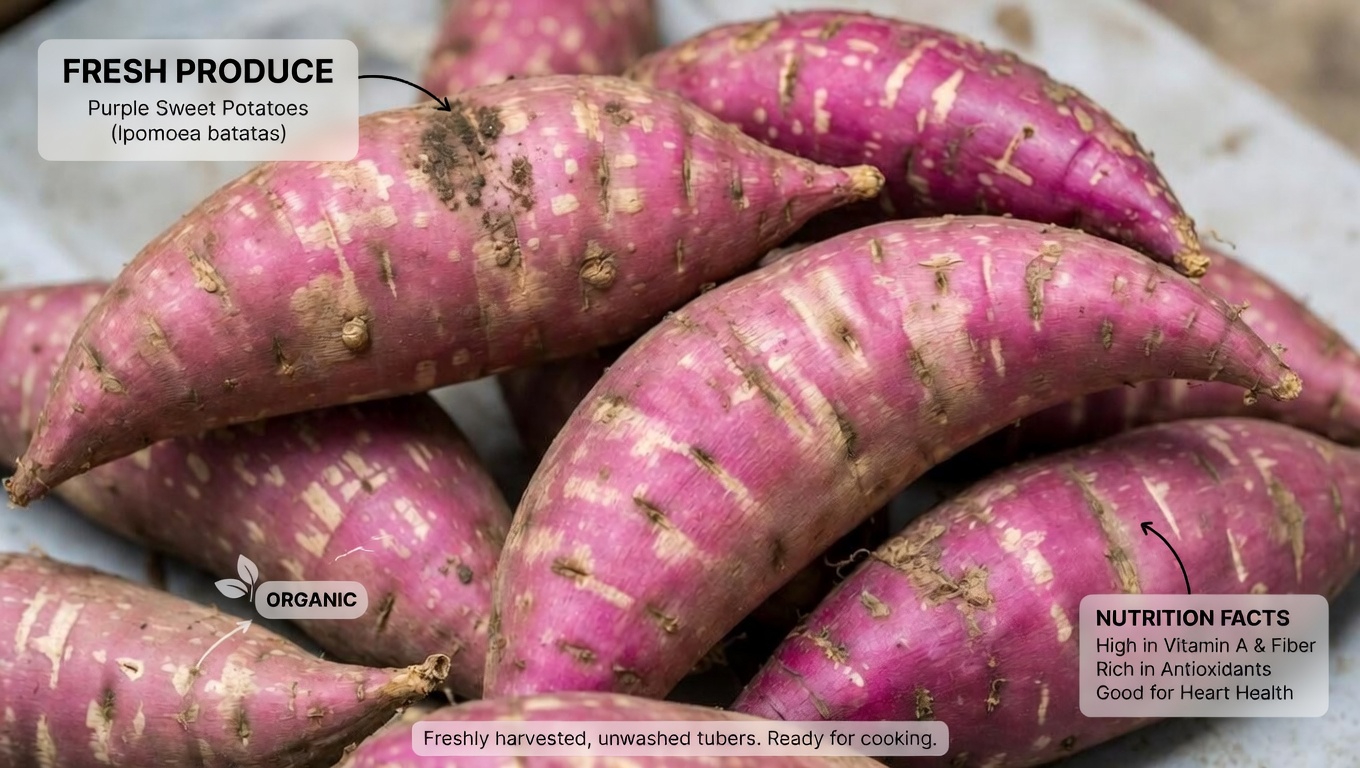
1. Purple Sweet Potatoes: A Bright Source of Lasting Energy
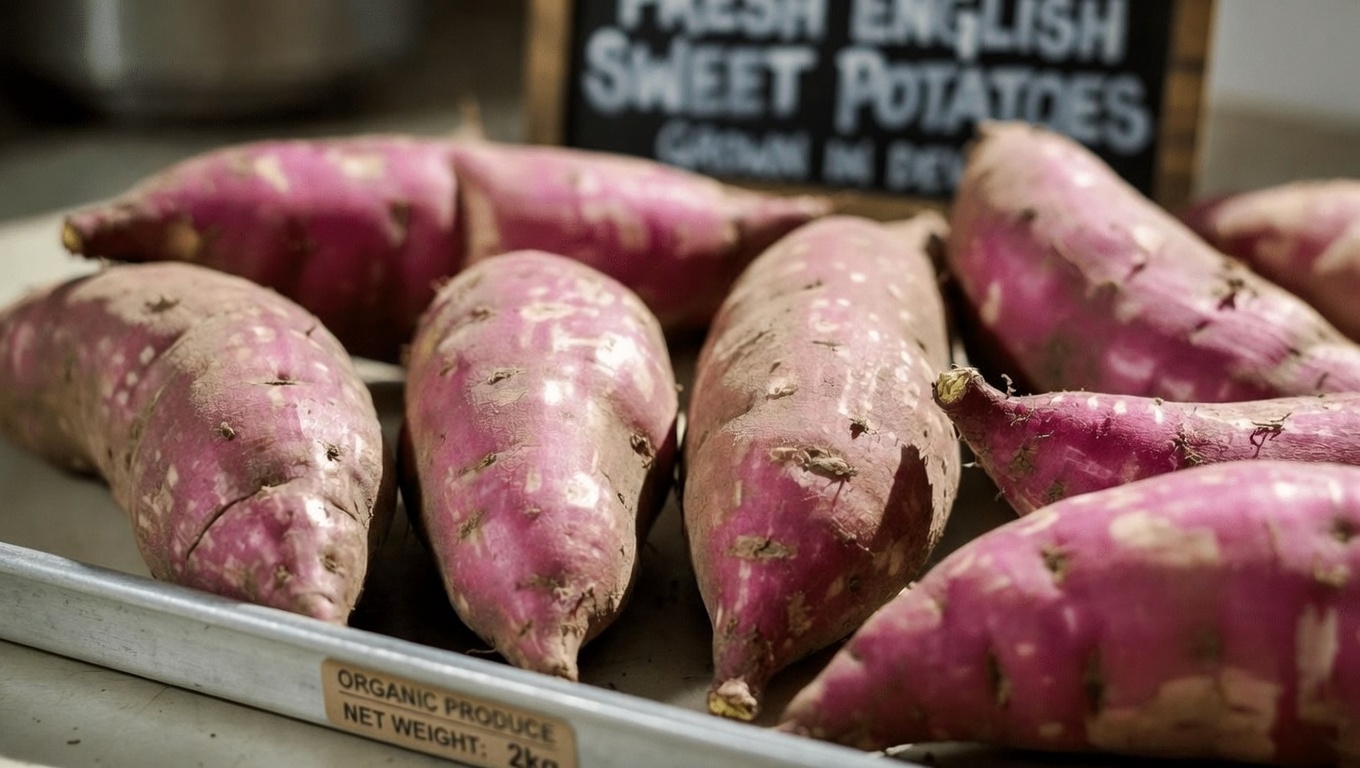
Purple sweet potatoes are rich in anthocyanins, the natural plant compounds responsible for their deep color. They also provide fiber, vitamin A, and complex carbohydrates that help fuel the body more steadily, rather than causing sharp energy swings. Research suggests they may support blood sugar balance while also offering anti-inflammatory benefits that are helpful for heart health and overall vitality.
Easy ways to enjoy them:
- Bake or steam one medium potato with the skin on for extra fiber
- Mash it with a little cinnamon for breakfast
- Roast chunks with olive oil for a simple side dish
2. Beets: Natural Support for Healthy Circulation
Beets contain natural nitrates, which the body can convert into compounds that help support healthy blood flow. They also supply folate, potassium, and betalains, which contribute antioxidant protection. Some studies suggest beet intake may have positive effects on blood pressure support in older adults.
How to add beets to your meals:
- Roast them and toss into salads
- Blend a small amount of raw beet into smoothies
- Drink diluted beet juice if you enjoy the flavor
If you are new to beets, starting with half a beet at a time can be a practical approach.
3. Berries: Small Fruits With Big Benefits
Blueberries, strawberries, raspberries, and other berries pack a lot of nutrition into a small serving. They offer fiber, vitamin C, and flavonoids that help the body manage oxidative stress. Research also points to berries as beneficial for brain function and heart wellness.
Simple daily ideas:
- Add them to oatmeal
- Mix them into yogurt
- Eat a handful as a fresh snack
4. Dark Leafy Greens: Everyday Nutrition for Bones, Muscles, and the Heart
Spinach, kale, and Swiss chard are loaded with vitamins K, A, and C, along with magnesium and naturally occurring nitrates. These nutrients can help support bone strength, muscle performance, and healthy cardiovascular function. Regular intake of leafy greens is often associated with better physical function and lower heart-related concerns.
Easy ways to eat more greens:
- Sauté them as a side dish
- Blend them into smoothies
- Use them as the base of a salad
5. Fatty Fish: Omega-3s for Heart and Joint Support
Salmon, sardines, and mackerel are excellent sources of omega-3 fatty acids. These healthy fats, along with quality protein, may help support cardiovascular function and ease occasional joint stiffness.
A practical goal:
- Aim for 2 to 3 servings per week
- Grill, bake, or add to salads for variety
6. Nuts and Seeds: Compact Nutrition for Steady Energy
Almonds, walnuts, chia seeds, and flaxseeds offer a strong combination of healthy fats, protein, fiber, and magnesium. Together, these nutrients can help with sustained energy and support healthy cholesterol balance.
Quick ways to use them:
- Sprinkle them over yogurt
- Add them to salads
- Keep a small handful on hand for a filling snack
7. Avocados: Heart-Friendly Fats in a Versatile Food
Avocados provide monounsaturated fats, potassium, and fiber. This combination supports heart health while adding a creamy texture to meals and snacks.
Try avocados in these ways:
- Spread on whole-grain toast
- Dice into salads
- Blend into dips or bowls
8. Whole Grains: Better Fuel for the Day
Oats, quinoa, and brown rice are rich in B vitamins and fiber, and they deliver energy more gradually than refined grains. This can help reduce afternoon crashes and improve overall stamina.
Simple swaps that help:
- Choose oatmeal at breakfast
- Use quinoa as a meal base
- Replace white rice with brown rice
9. Legumes: Fiber and Plant Protein in One Package
Beans, lentils, and chickpeas supply plant-based protein, fiber, and potassium. They can help support digestion, improve satiety, and contribute to healthy blood pressure and energy levels.
Easy ways to add more legumes:
- Stir them into soups
- Toss them into salads
- Blend chickpeas into hummus
10. Yogurt or Fortified Dairy Alternatives: Bone and Muscle Support
Plain yogurt and fortified non-dairy options can provide protein, calcium, vitamin D, and beneficial probiotics. These nutrients are important for maintaining bone strength, muscle function, and digestive health.
Best ways to enjoy them:
- Choose plain, lower-sugar varieties
- Top with berries or seeds
- Use as part of breakfast or a snack
11. Extra Virgin Olive Oil: A Foundation of Heart-Healthy Eating
Extra virgin olive oil is a staple in many healthy diets for good reason. It contains beneficial fats and plant compounds that support heart health and help manage inflammation.
How to use it more often:
- Drizzle over cooked vegetables
- Make simple salad dressings
- Use it as a finishing oil for grain bowls or legumes
12. Green Tea: Gentle Energy With Antioxidant Benefits
Green tea contains catechins and other antioxidants that may support metabolic health while offering a mild, steady lift in energy.
A simple habit:
- Drink 2 to 3 cups per day
- Enjoy it hot or iced, depending on your preference
Easy Ways to Build These Foods Into Your Day
The most effective changes are often the ones that feel manageable and enjoyable. Start small and focus on consistency.
Try these simple meal ideas:
- Breakfast: Oatmeal topped with berries and chia seeds, with sliced purple sweet potato on the side
- Lunch: A salad made with leafy greens, roasted beets, chickpeas, avocado, and olive oil dressing
- Snack: Plain yogurt with flaxseeds or a small handful of nuts
- Dinner: Baked salmon served with quinoa and roasted vegetables, including beets
After a week of eating this way more regularly, many people notice more balanced energy and better day-to-day comfort.
Small Dietary Changes Can Add Up
You do not need a perfect diet to benefit from these foods. What matters most is making them a regular part of your routine. Together, they help nourish the body from within and may support better energy, cardiovascular wellness, and mobility as you get older.
Focus on variety, keep meals enjoyable, and let consistency do the work. Over time, these simple choices can help you feel stronger, steadier, and better supported in daily life.
FAQ
What if I have dietary restrictions?
Many of these foods can be adjusted to fit different needs. If you do not eat fish, plant-based omega-3 sources like flaxseeds and chia seeds can be useful alternatives. If dairy is not suitable, choose fortified plant-based options.
How much of each food should I eat?
Aim for balance rather than exact perfection. A serving of berries or leafy greens each day is a good start, fatty fish a few times per week is often recommended, and nuts or seeds are best enjoyed in moderate portions, such as one small handful.
Can these foods replace medical treatment or professional advice?
No. These foods can support general wellness as part of a healthy lifestyle, but they are not a substitute for personalized medical care. Always speak with your healthcare provider for guidance tailored to your needs.