
12 Natural Foods to Support Your Body After 50
Reaching your 50s often comes with subtle changes: a little less spring in your step in the morning, stiffness if you’ve been sitting too long, or a stronger desire to feel steady, energetic, and resilient. Many people at this stage begin looking for straightforward, everyday ways to sustain energy, keep the heart healthy, and support comfortable joints as part of normal aging.
The encouraging news is that simple, consistent additions of whole, natural foods can meaningfully influence how you feel from day to day. Research shows that choosing nutrient-dense foods can help meet shifting needs for stable energy, cardiovascular support, and mobility.
In this guide, you’ll discover 12 powerful natural foods to eat regularly after 50, the science-backed reasons they matter, and practical ideas for incorporating them into your meals. At the end, you’ll also learn one daily habit that helps these foods work even better together.

Why Nutrition Needs Change After Age 50
As the body ages, several processes naturally become less efficient:
- Absorption of certain nutrients (such as B12, calcium, and vitamin D) can decline.
- Maintaining muscle mass requires more intentional protein intake and regular movement.
- Managing everyday inflammation becomes increasingly important for joint comfort and overall well-being.
Studies consistently link eating patterns rich in fruits, vegetables, whole grains, healthy fats, and lean protein with improved vitality and a lower risk of many age-related health concerns.
Focusing on these foods isn’t about strict dieting. It’s about making satisfying, realistic choices that deliver:
- Antioxidants
- Fiber
- Omega-3 fatty acids
- High-quality protein
- Calcium and other key minerals
These nutrients work together to support energy, heart health, brain function, bone strength, and mobility.
1. Berries (Blueberries, Strawberries, Raspberries)
Berries are small but nutrient-dense, offering a powerful combination of antioxidants, fiber, and natural sweetness. Research links regular berry consumption with better heart health and more stable energy levels, thanks in part to their anti-inflammatory and circulation-supporting compounds.
Easy ways to add berries:
- Stir a handful into morning oatmeal or yogurt.
- Blend into smoothies for a quick snack or breakfast.
- Freeze extra berries to enjoy out of season.
2. Dark Leafy Greens (Spinach, Kale, Collard Greens)
Leafy greens are packed with vitamin K, calcium, nitrates, folate, and other protective nutrients. Studies suggest that people who eat leafy greens daily tend to have better muscle function, a lower risk of cardiovascular problems, and stronger overall health markers.
Practical ways to use them:
- Sauté spinach with olive oil and garlic as a quick side.
- Massage kale with a light dressing and add to salads.
- Toss greens into soups, stews, or stir-fries just before serving.
3. Fatty Fish (Salmon, Mackerel, Sardines)
Fatty fish are among the best food sources of omega-3 fatty acids, which play a key role in supporting heart rhythm, cognitive function, and joint comfort by helping manage everyday inflammation.
How to include fatty fish:
- Grill or bake salmon once or twice per week.
- Enjoy canned sardines on whole-grain toast with lemon and herbs.
- Roast or bake mackerel with your favorite spices and vegetables.
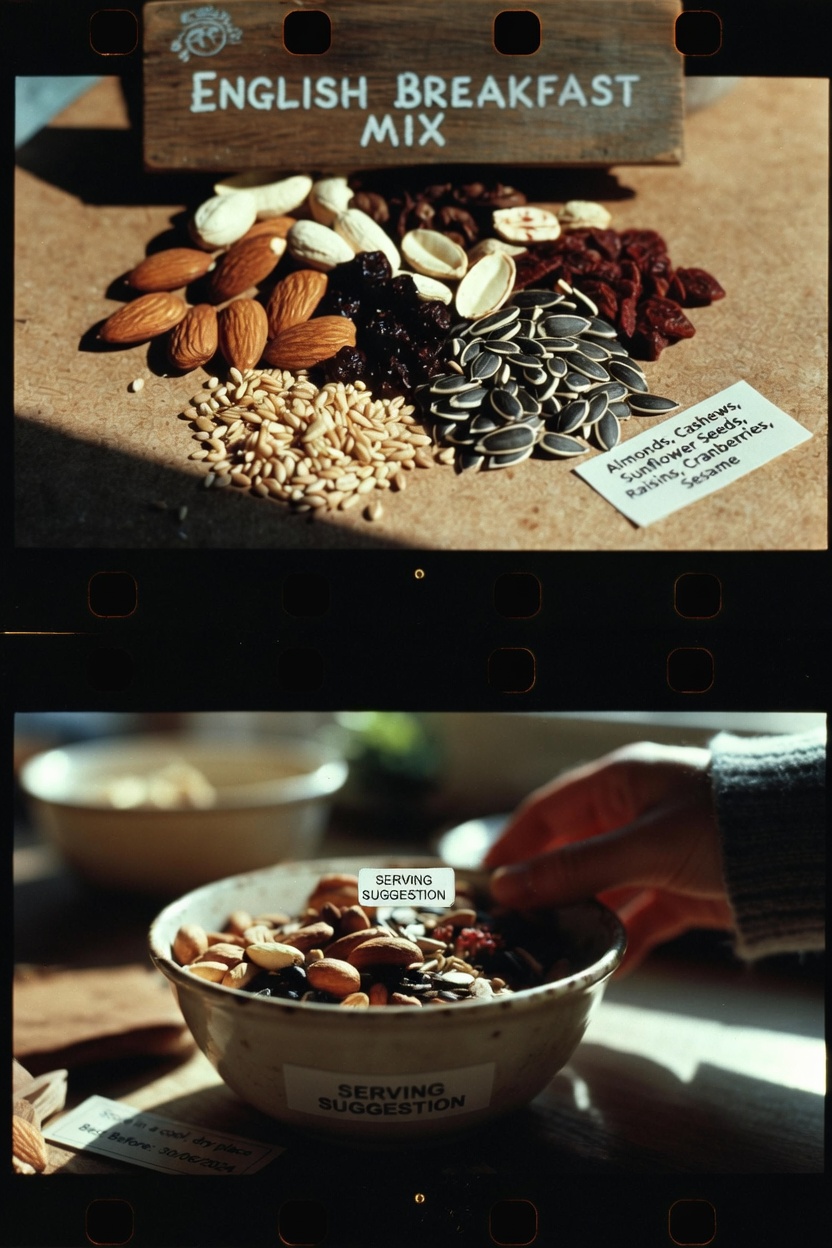
4. Nuts and Seeds (Almonds, Walnuts, Chia Seeds, Flaxseeds)
Nuts provide healthy fats, plant-based protein, magnesium, and fiber that support heart health and sustained energy. Seeds such as chia and flax contribute additional plant-based omega-3s and fiber.
Quick ideas:
- Sprinkle chia seeds over yogurt, oatmeal, or cereal.
- Keep a small handful of almonds or walnuts handy for an afternoon snack.
- Blend ground flaxseeds into smoothies or mix into breakfast bowls.
5. Avocados
Avocados are rich in heart-friendly monounsaturated fats, fiber, and potassium. Long-term studies associate higher avocado intake with better cardiovascular health and improved markers of metabolic well-being.
Simple ways to enjoy avocados:
- Mash onto whole-grain toast with sliced tomato and a pinch of salt.
- Dice into salads, grain bowls, or tacos.
- Use smashed avocado as a creamy spread in place of mayonnaise.
6. Whole Grains (Oats, Quinoa, Brown Rice)
Whole grains provide complex carbohydrates that release energy slowly, helping avoid sharp spikes and crashes. They also supply B vitamins, minerals, and fiber that support digestion and heart health.
Everyday uses:
- Start your day with oatmeal topped with berries and nuts.
- Replace white rice with brown rice in stir-fries or side dishes.
- Use quinoa as a base for grain bowls with vegetables and lean protein.
7. Legumes (Lentils, Chickpeas, Black Beans)
Legumes are a powerhouse combination of plant-based protein, fiber, and potassium. They help support steady energy, healthy blood pressure, and a thriving gut microbiome—key factors for healthy aging.
Easy ways to cook with legumes:
- Add lentils to soups, stews, or curries.
- Make hummus from chickpeas for spreads or dips.
- Mix black beans into salads, grain bowls, or tacos.
8. Sweet Potatoes
Sweet potatoes are rich in beta-carotene (a precursor to vitamin A), fiber, vitamin C, and other antioxidants. Their slow-digesting carbohydrates provide long-lasting energy without major blood sugar swings.
Preparation ideas:
- Bake whole sweet potatoes and sprinkle with cinnamon.
- Mash as a colorful side dish, optionally with a drizzle of olive oil.
- Slice into wedges, toss with spices, and roast as “fries.”
9. Eggs
Eggs offer high-quality protein along with vitamin B12 and choline, both important for energy metabolism, nerve health, and muscle maintenance—areas that deserve extra attention after 50.
Versatile ways to use eggs:
- Hard-boil a batch for easy snacks or quick breakfasts.
- Scramble with vegetables and herbs for a protein-rich meal.
- Add sliced or boiled eggs to salads or grain bowls.
10. Yogurt or Fortified Plant Alternatives
Plain low-fat or Greek yogurt, as well as fortified plant-based yogurts, provide calcium, protein, and beneficial bacteria (probiotics) that support bone strength and a balanced gut.
Ways to enjoy:
- Layer yogurt with fruit and nuts for a simple parfait.
- Use as a base for creamy dressings or dips instead of sour cream.
- Eat plain yogurt with a drizzle of honey or fresh fruit.
11. Extra Virgin Olive Oil
Extra virgin olive oil is a cornerstone of heart-healthy eating. It supplies monounsaturated fats and polyphenols that help reduce oxidative stress and support cardiovascular function.
Everyday tips:
- Drizzle over cooked vegetables or salads.
- Use in place of butter for low- to medium-heat cooking.
- Whisk with lemon juice or vinegar to make a simple vinaigrette.
12. Bananas
Bananas are easy to digest, portable, and rich in potassium, which supports healthy muscle and nerve function. They also provide quick, natural energy and pair well with many other foods on this list.
Fast ways to use bananas:
- Eat one on its own as a convenient snack.
- Slice over cereal, oatmeal, or yogurt.
- Blend into smoothies for creaminess and natural sweetness.
Quick Snapshot: Matching Foods to Benefits
To help you remember what supports what, here is a simple breakdown:
-
For steady, lasting energy:
- Whole grains (oats, quinoa, brown rice)
- Sweet potatoes
- Bananas
- Eggs
-
For heart and circulation support:
- Fatty fish (salmon, mackerel, sardines)
- Avocados
- Nuts and seeds
- Extra virgin olive oil
- Berries
-
For joints, mobility, and everyday comfort:
- Omega-3 sources (fatty fish, chia seeds, flaxseeds, walnuts)
- Anti-inflammatory foods such as berries and dark leafy greens
Simple Daily Meal Ideas Using These Foods
Here’s how a day of eating might look when you weave several of these foods together:
-
Breakfast:
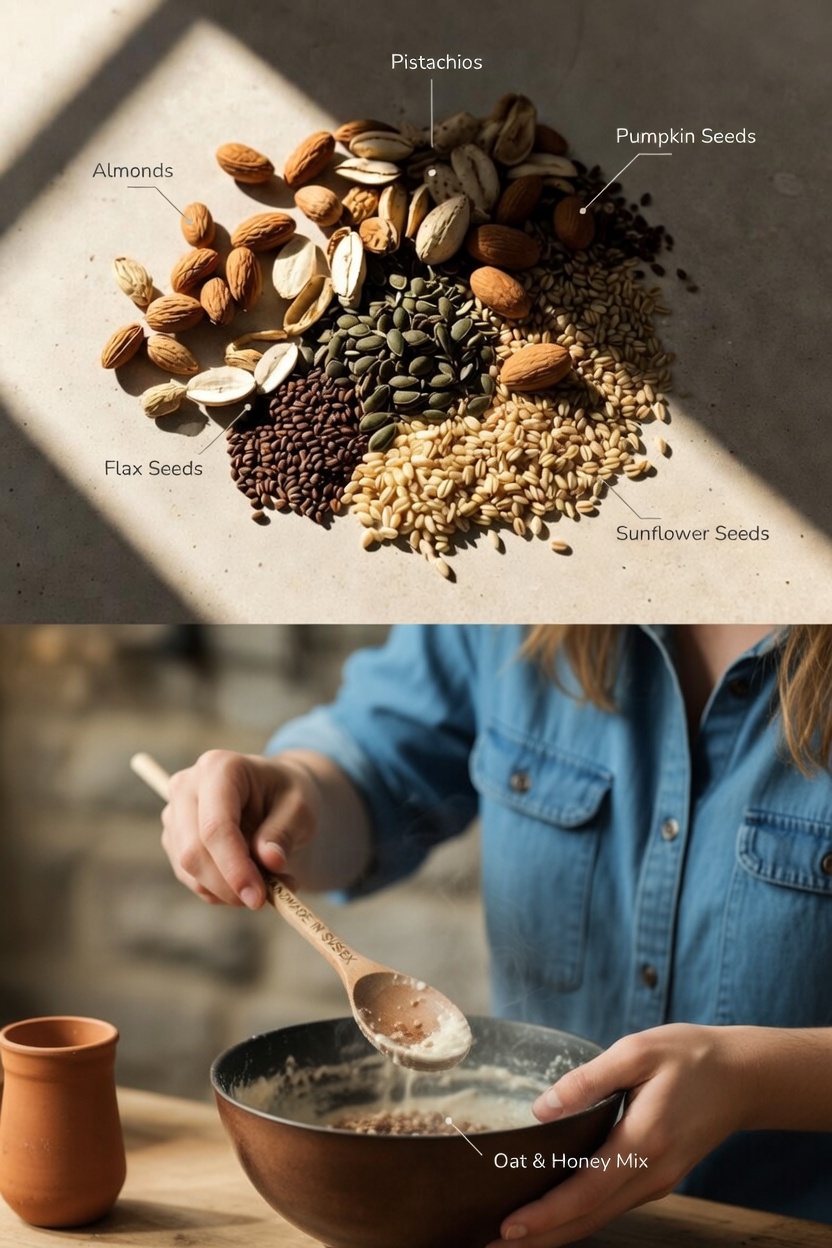
Oatmeal topped with berries, chia seeds, and sliced banana. -
Lunch:
Grilled salmon salad with mixed leafy greens, avocado, chickpeas, and an olive oil–based dressing. -
Snack:
Greek yogurt (or fortified plant yogurt) with a small handful of nuts and a few strawberries. -
Dinner:
Baked sweet potato and a quinoa bowl with lentils, spinach, and a drizzle of extra virgin olive oil.
You don’t have to adopt everything at once. Start small: choose 2–3 of these foods to emphasize this week, then gradually build from there as you find combinations you enjoy.
The Overlooked Habit: Consistency and Synergy
One often-missed strategy is consistently pairing these foods across your meals, day after day. When you regularly combine fiber, healthy fats, lean protein, and antioxidant-rich plants:
- Nutrients are absorbed more efficiently.
- Blood sugar and energy levels tend to be more stable.
- Your heart, brain, bones, and joints receive ongoing, complementary support.
It’s the pattern over time—not perfection on any single day—that creates meaningful change.
Frequently Asked Questions
How many servings of these foods should I aim for each day?
Exact needs vary, but general guidelines for healthy adults over 50 often include:
- Fruits and vegetables: Around 4–5 servings per day.
- Protein sources: 2–3 servings daily, including fish about two times per week.
- Nuts and seeds: A small handful (about 1 ounce / 28 g) most days, if tolerated.
- Whole grains: Choose whole grains for most grain servings throughout the day.
Adjust these based on your activity level, health conditions, and advice from your healthcare provider.
Can supplements replace these foods?
Supplements can be helpful in specific situations—especially for nutrients like vitamin D or B12 when blood tests show a deficiency. However, whole foods offer:
- A broad spectrum of vitamins and minerals
- Fiber
- Antioxidants and plant compounds that supplements often lack
Health experts generally recommend a “food first” approach, using supplements only when needed and under medical guidance.
What if I’m vegetarian or don’t eat fish?
You can still gain similar benefits by focusing on plant-based options:
- Replace fish with flaxseeds, chia seeds, hemp seeds, and walnuts for plant-based omega-3s.
- Choose fortified plant milks and yogurts to support calcium and vitamin D intake.
- Emphasize legumes (lentils, beans, chickpeas) and soy foods for protein.
- Load up on leafy greens, berries, whole grains, and nuts for comprehensive nutritional support.
By emphasizing variety and consistency, these natural foods can help you feel more energetic, supported, and resilient well into your 50s and beyond.