Constant Fatigue After 50? It May Not Be “Just Age”
Feeling tired more often than you used to? Noticing that workouts leave you sore for longer, or that your body doesn’t “bounce back” like it did at 30? After 50, many people experience gradual shifts in energy, digestion, joint comfort, and heart health. It’s easy to assume this is simply aging—and that there’s nothing you can do.
But everyday, natural foods can support your body in surprisingly practical ways. Small, consistent choices can help balance cholesterol, support cardiovascular health, and improve steady energy. One item on this list surprises many people—stay to the end to find it.
Why Nutrition Matters More After 50
As the years go by, normal age-related changes may include:
- Gradual loss of muscle mass
- A slower metabolism
- Hormonal shifts
- Greater sensitivity to inflammation
- Changes in how nutrients are absorbed
That’s why eating well after 50 often requires a more intentional approach. The good news: modest daily upgrades can add up to meaningful long-term benefits.
1. Leafy Greens for Cellular Protection
Spinach, kale, arugula, and Swiss chard are packed with vitamin K, folate, magnesium, and natural antioxidants. These nutrients help support bone strength, healthy circulation, and normal cellular function.
Easy idea: toss a handful into smoothies, soups, or omelets.
2. Berries for Brain and Heart Support
Blueberries, strawberries, and blackberries provide anthocyanins—natural pigments linked to blood vessel health and brain function.
Try this: add berries to plain yogurt or oatmeal at breakfast.
3. Fatty Fish for Healthy Aging
Salmon, sardines, and mackerel are rich in omega-3 fatty acids, which support heart rhythm, joint comfort, and brain health.
Eating fatty fish a few times per week can be a powerful, food-based habit.
4. Beans and Lentils for Digestion and Strength
After 50, fiber becomes even more essential. Beans, lentils, and chickpeas deliver plant protein, iron, potassium, and soluble fiber—useful for digestive health and cholesterol balance.
If you’re not used to them, start with smaller portions and increase gradually.
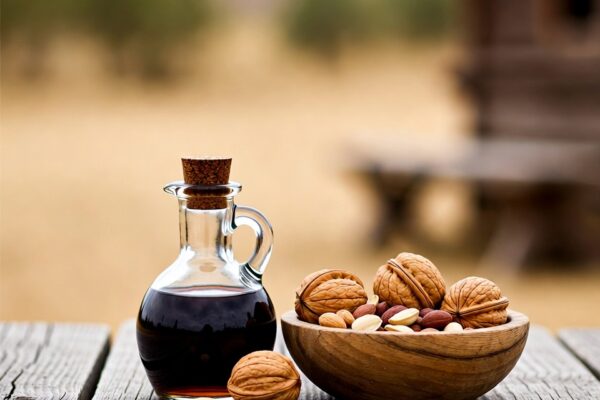
5. Nuts and Seeds for Healthy Fats
Almonds, walnuts, chia seeds, and flaxseed contain beneficial fats and plant compounds that support the cardiovascular system.
A small daily serving is typically enough.
6. Greek Yogurt for Muscle Maintenance
Maintaining muscle becomes increasingly important with age. Greek yogurt offers high-quality protein and calcium, both crucial for muscles and bones.
Choose unsweetened versions and top with fresh fruit.
7. Sweet Potatoes for Steady Energy
Unlike refined carbohydrates, sweet potatoes provide fiber, potassium, and beta-carotene. They release energy more gradually, helping reduce sharp energy spikes and crashes.
Roast them with olive oil and herbs for a simple, nutrient-rich side.
8. Extra Virgin Olive Oil for Heart Health
A cornerstone of the Mediterranean eating pattern, extra virgin olive oil contains monounsaturated fats and plant compounds that support cardiovascular health.
Use it on salads, vegetables, or as a swap for butter in many recipes.
9. Tomatoes for Antioxidant Defense
Tomatoes are a leading source of lycopene, an antioxidant studied for its potential role in cellular and heart health.
Great options include homemade tomato sauce, soups, or roasted tomatoes.
10. Beets to Support Circulation
Beets contain natural nitrates, which the body converts into compounds that help support blood vessel flexibility and circulation.
Enjoy them roasted, sliced into salads, or blended into fresh juices.
11. Whole Grains for Digestive Health
Oats, quinoa, and brown rice provide fiber and key minerals. Oats, in particular, contain beta-glucan, a soluble fiber associated with healthy cholesterol levels.
Replacing refined grains with whole grains can make a noticeable difference over time.
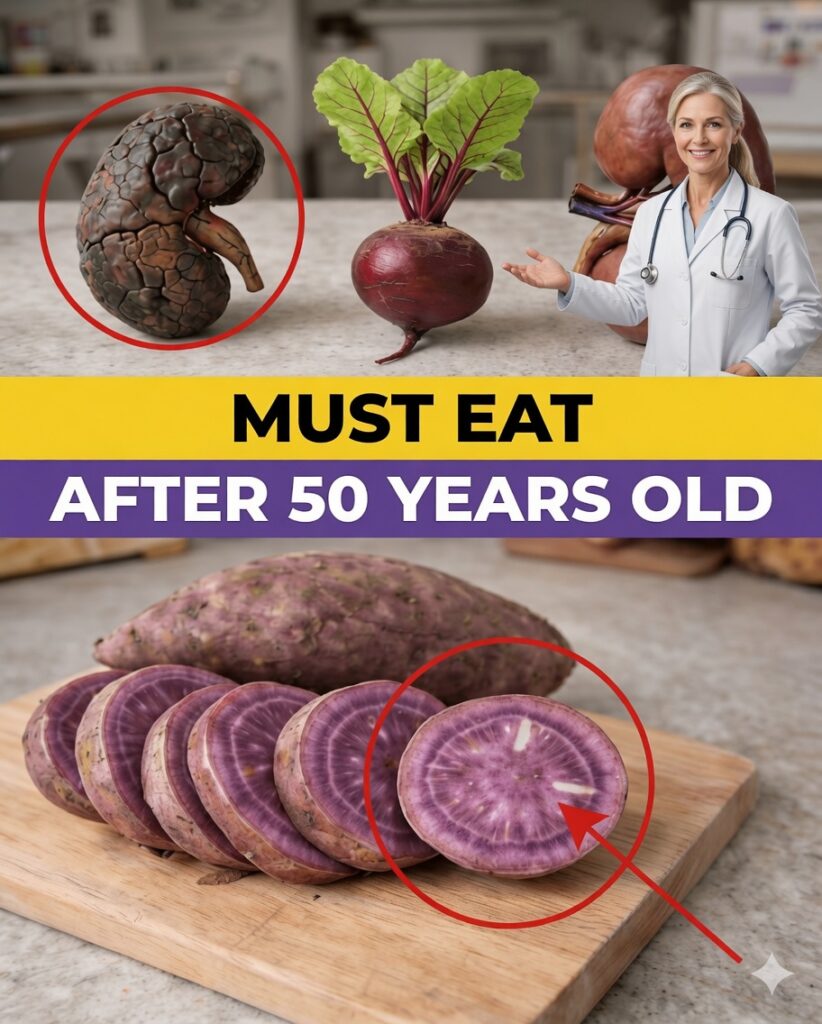
12. Purple Sweet Potato: The Surprising Food
Many people don’t expect to see this on the list. Purple sweet potatoes contain anthocyanins similar to those in berries, plus vitamin C, potassium, and fiber.
That deep purple color is a clue: it often signals a high concentration of beneficial plant compounds.
How to Start Today (Without Overhauling Your Diet)
You don’t need to change everything at once. Use these simple strategies:
- Add one new food per week from this list to your routine.
- Build balanced plates: half vegetables, one-quarter protein, one-quarter whole grains.
- Prep ahead: wash greens and cook grains in advance to make healthy choices easier during the week.
A Bigger Picture of Healthy Aging
Nutrition works best alongside:
- Regular physical activity
- Quality sleep
- Stress management
- Social connection
Healthy aging isn’t about a single miracle food—it’s about consistent habits repeated over time.
Conclusion
After 50, the body changes naturally, but you can still support energy, digestion, muscle maintenance, and heart health through smart food choices. Leafy greens, berries, omega-3-rich fish, legumes, nuts and seeds, Greek yogurt, sweet potatoes, extra virgin olive oil, tomatoes, beets, whole grains, and purple sweet potatoes are all natural options that can support this process.
Small daily improvements can lead to significant results over the years.
Disclaimer: This article is for informational purposes only and does not replace medical advice. Always consult a qualified healthcare professional for personalized guidance.