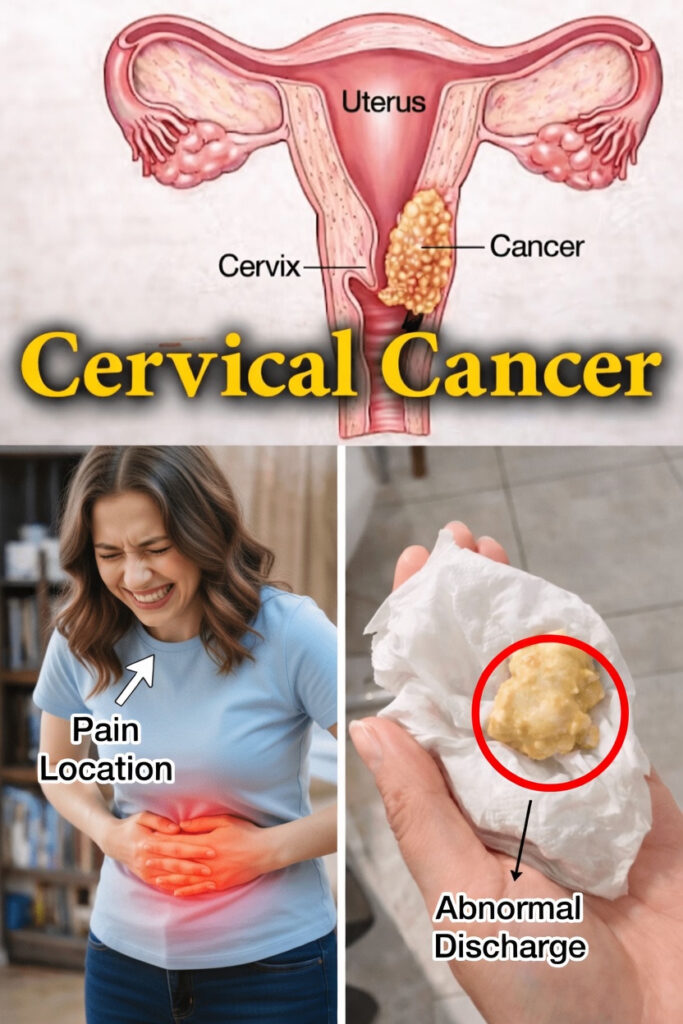
12 Important Uterine and Cervical Warning Signs Every Woman Should Know
Many women notice shifts in their menstrual cycle, pelvic comfort, or energy levels without realizing these changes may deserve medical attention. Problems involving the uterus or cervix—such as fibroids, endometriosis, infections, or other gynecological conditions—can begin quietly and gradually affect daily life if left unchecked.
Trusted medical sources, including the Mayo Clinic and CDC, often point to symptoms like abnormal bleeding, ongoing pelvic discomfort, and unusual vaginal discharge as common warning signs. Ignoring these clues can delay early evaluation and treatment. On the other hand, paying close attention to your body and speaking with a healthcare professional early can greatly support your reproductive health.
In this article, you’ll learn about 12 symptoms that should not be overlooked, what they may suggest based on reliable health information, and practical actions you can start taking today. At the end, you’ll also find a simple everyday habit that may help support uterine wellness, plus answers to common questions.
Why These Symptoms Deserve Attention
The uterus is a key part of the reproductive system, and when something changes, the body often gives visible or physical signals. According to information from sources such as the American Cancer Society and Healthline, symptoms like irregular bleeding, pelvic pressure, and pain are seen in many gynecological conditions.
Because these symptoms can resemble stress, hormone fluctuations, or normal aging, many women dismiss them. That is exactly why early awareness matters. Not every symptom means something serious, but recognizing changes early can lead to faster answers and better peace of mind.
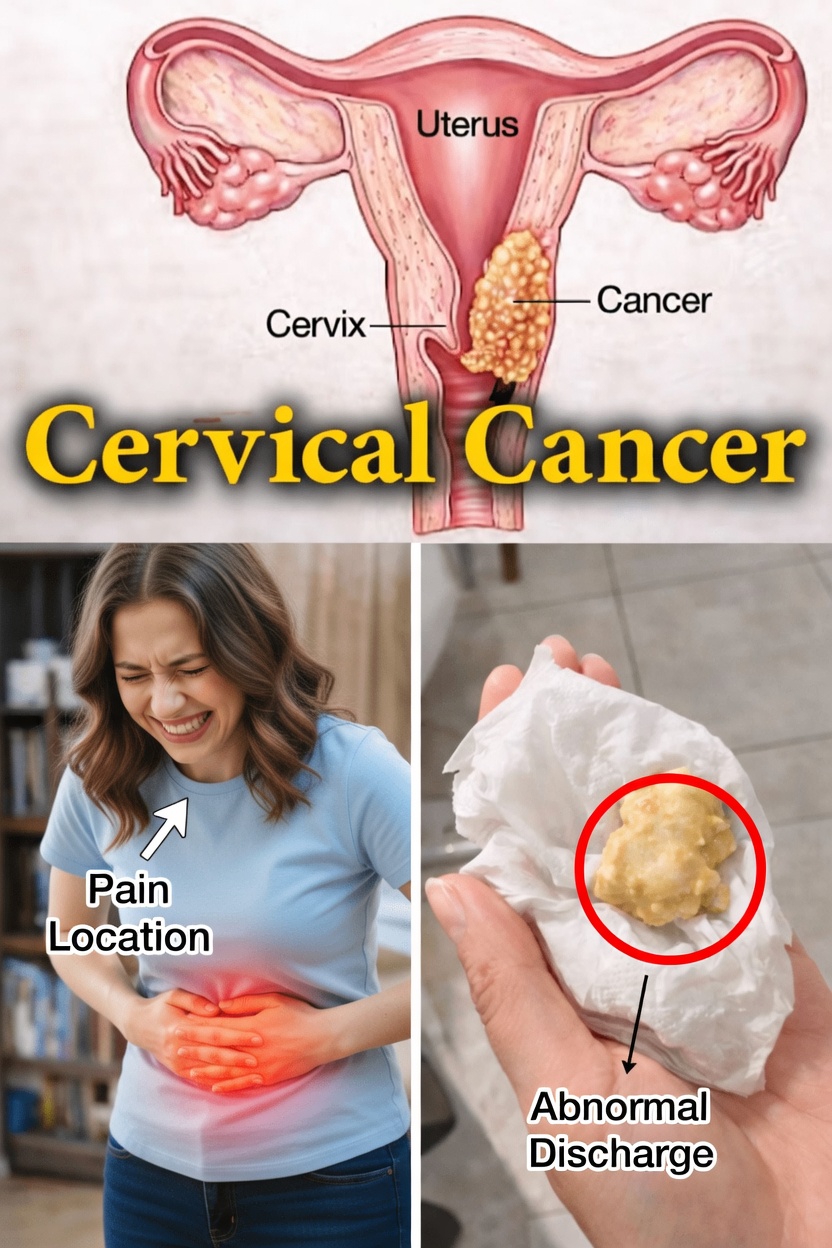
1. Bleeding Between Periods
Vaginal spotting or bleeding outside your normal cycle is one of the most common warning signs reported in gynecological care. It may appear as light pink spotting, brown discharge, or a heavier flow that comes unexpectedly.
This type of bleeding can happen for several reasons, including uterine abnormalities, hormonal changes, or cervical issues. If it happens more than once, it is worth discussing with your doctor.
2. Periods That Become Heavier or Last Longer
If your menstrual flow suddenly becomes much heavier than usual or lasts more than seven days, do not ignore the change. Needing to change pads or tampons more often than before can be an important clue.
Medical experts often associate heavy or prolonged periods with conditions such as fibroids, hormonal imbalances, or other uterine disorders. Tracking the timing and severity can help your provider assess the cause.
3. Bleeding After Menopause
Any vaginal bleeding after menopause should be checked promptly. If you have gone 12 consecutive months without a period, bleeding afterward is not considered normal.
Healthcare professionals consistently stress that postmenopausal bleeding requires medical evaluation as soon as possible.
4. Unusual Vaginal Discharge
A change in discharge can also signal a problem. Watery discharge, foul-smelling discharge, or discharge mixed with blood between periods may suggest irritation, infection, or another gynecological issue.
Noting the color, consistency, and odor can be useful when speaking with a healthcare provider.
5. Ongoing Pelvic Pain or Pressure
A lingering heavy feeling, dull ache, or pressure in the lower abdomen may point to a uterine or pelvic condition. This is different from normal menstrual cramps that come and go.
If the discomfort is persistent or interferes with work, exercise, sleep, or daily routines, it should be evaluated.
6. Pain During Sex
Pain during intercourse, also called dyspareunia, is another symptom many women hesitate to mention. However, it can be linked to endometriosis, pelvic inflammation, or other reproductive health concerns.
You should not assume this is something you simply have to live with. A medical evaluation can help identify the cause and guide treatment.
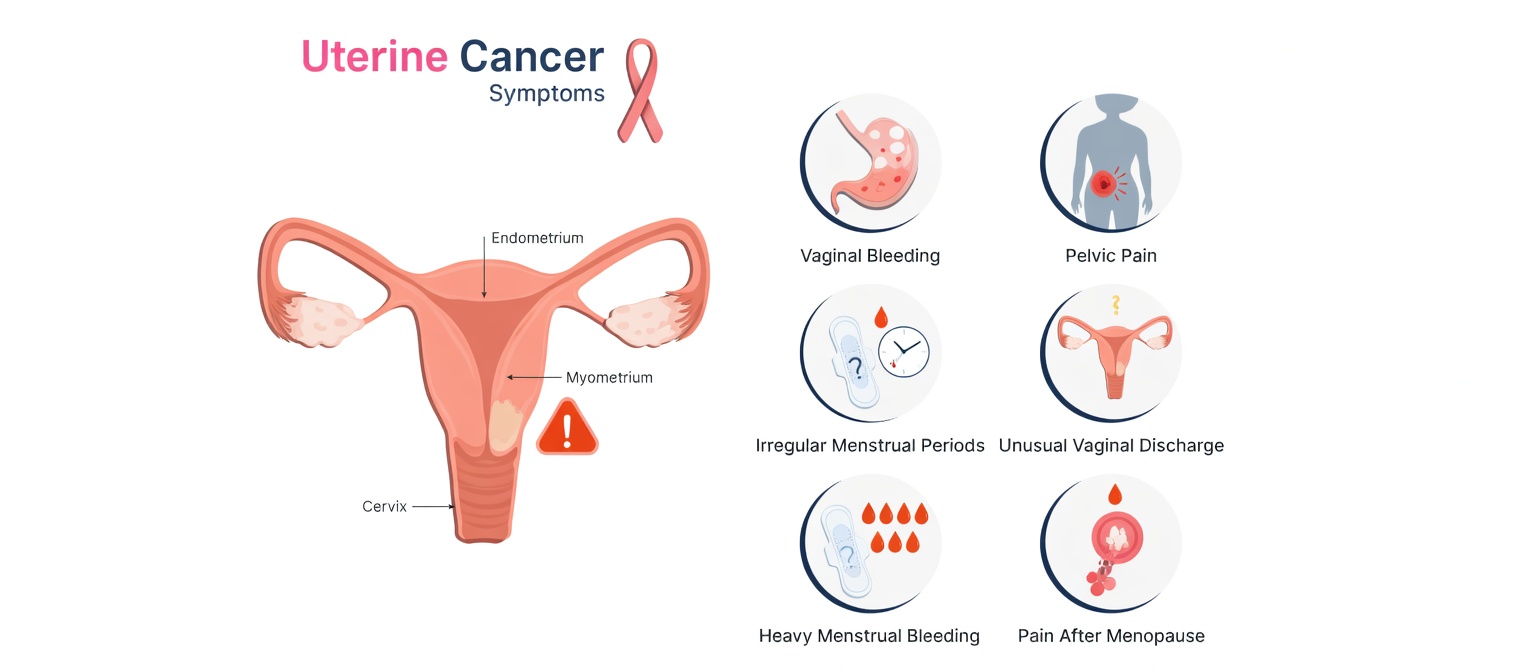
7. Lower Back or Lower Abdominal Pain
Pain in the lower back or lower belly can sometimes be related to the reproductive organs, especially when it happens repeatedly or alongside menstrual changes.
This type of discomfort is seen in a variety of gynecological conditions and is worth mentioning during a check-up, particularly if it does not improve.
8. Frequent Urination or Sudden Urgency
If you find yourself needing to urinate more often or feeling an urgent need to go, it may not always be a bladder issue alone. In some cases, uterine enlargement or pelvic pressure can affect the bladder.
When this symptom appears together with bloating, pelvic pressure, or abnormal bleeding, it may provide a clearer picture of what is going on.
9. Persistent Bloating or Early Fullness
Ongoing abdominal bloating that does not improve with simple diet changes should not be overlooked. Some women also notice they feel full quickly when eating.
Although bloating can have many causes, persistent symptoms—especially when combined with cycle changes or pelvic pain—can be associated with pelvic or uterine issues.
10. Unusual Fatigue
Constant tiredness despite getting enough rest may be more than a busy schedule. Heavy menstrual bleeding can lead to low iron levels or anemia, which often causes weakness and fatigue.
If you feel drained for no clear reason, blood tests may help uncover whether bleeding or another issue is affecting your energy.
11. Painful Bowel Movements or Constipation
Pain during bowel movements or ongoing constipation can sometimes result from pelvic pressure. This symptom overlaps with several reproductive conditions, including those affecting the uterus and surrounding organs.
If digestive discomfort appears together with pelvic pain or cycle irregularities, it is worth bringing up with your healthcare provider.
12. Major Changes in Your Menstrual Pattern
Your cycle can vary slightly from time to time, but sudden or dramatic changes deserve attention. Skipped periods, severe cramps, irregular timing, or a cycle that suddenly looks very different from your usual pattern may be your body’s way of signaling that something needs checking.
A simple period journal can make these changes easier to recognize.
Quick Checklist of the 12 Warning Signs
- Bleeding between periods
- Heavier or longer-lasting periods
- Bleeding after menopause
- Unusual vaginal discharge
- Persistent pelvic pain or pressure
- Pain during intercourse
- Lower back or lower abdominal discomfort
- Frequent urination or urinary urgency
- Ongoing bloating
- Unexplained fatigue
- Painful bowel movements or constipation
- Overall menstrual irregularities

Practical Steps You Can Take Right Away
There are several simple habits that can help you stay aware of changes and better support your reproductive health:
- Track your menstrual cycle using an app or notebook. Record bleeding days, flow level, pain severity, and any unusual symptoms.
- Book regular gynecological visits, including Pap smears and HPV testing based on your age and medical guidance.
- Eat an iron-rich diet if heavy periods leave you tired. Good options include leafy greens, beans, lentils, eggs, and lean meats.
- Try gentle pelvic floor exercises, such as Kegels, if you often feel pelvic heaviness or pressure.
- Stay hydrated and physically active with walking, stretching, or yoga to help reduce bloating and discomfort.
These small habits can make you more informed and provide useful details for your doctor.
A Daily Habit Many Women Overlook
One simple but powerful routine is stress management. Spending just 10 minutes a day on deep breathing, meditation, or mindfulness may help support hormonal balance. Chronic stress can affect the body in many ways, including menstrual and reproductive health.
Final Thoughts: Notice the Signs and Act Early
Your body often sends subtle messages before symptoms become more severe. Recognizing these 12 warning signs does not automatically mean you have a serious condition, but it does mean those symptoms deserve attention.
Getting checked early can lead to clearer answers, more treatment options, and greater comfort in everyday life. When something feels different, trust yourself and talk to a qualified healthcare professional.
FAQ
What should I do if I notice one or two of these symptoms?
Schedule an appointment with a gynecologist or healthcare provider. Many causes are treatable, and an exam or basic testing can often identify the issue quickly.
Do these signs always mean cancer?
No. In many cases, symptoms are caused by non-cancerous conditions such as fibroids, endometriosis, hormonal changes, or infections. Only a medical professional can determine the real cause.
How often should I get screened for gynecological health?
Follow screening recommendations from trusted health organizations. For many women, Pap and HPV testing is advised every 3 to 5 years, along with regular wellness visits. Your provider can recommend the right schedule for your age and health history.