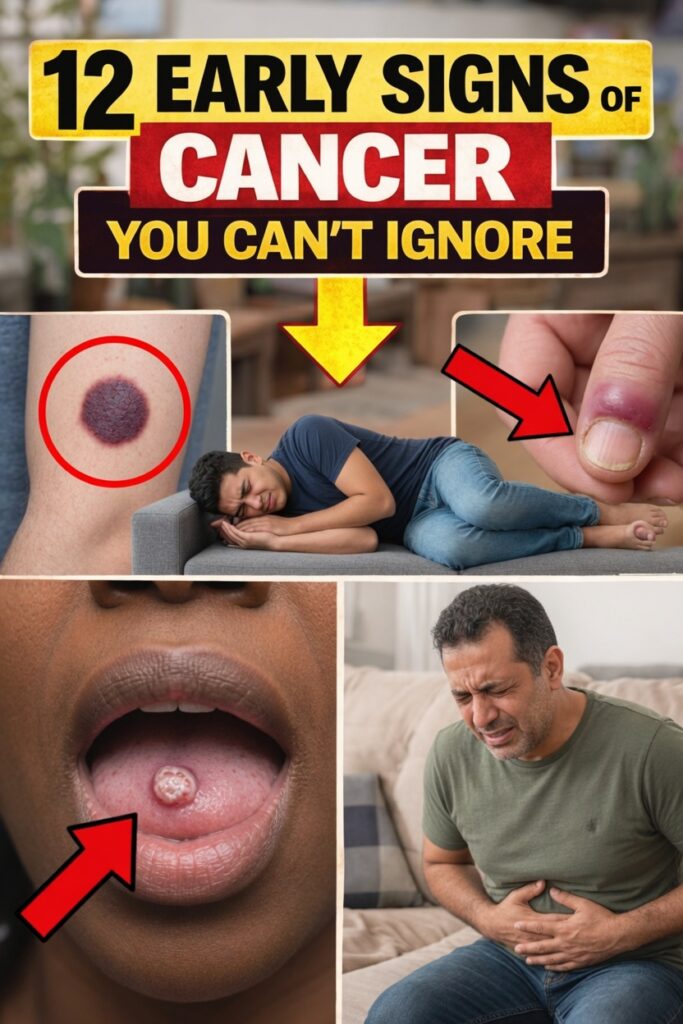
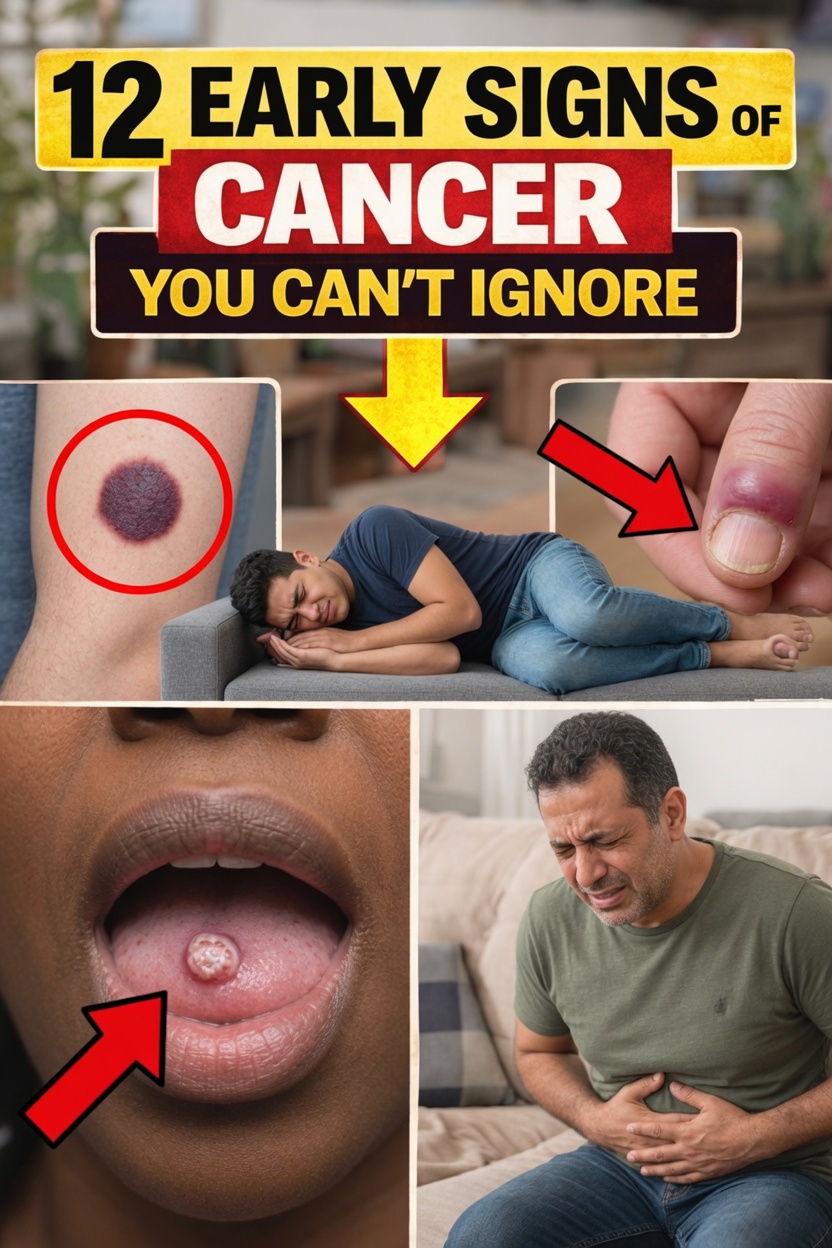
12 Early Warning Signs of Cancer You Shouldn’t Ignore
Cancer is still one of the most serious health challenges worldwide, but spotting potential warning signs early can significantly improve outcomes. Many early symptoms are easy to dismiss because they resemble everyday issues—such as feeling worn out, changes in digestion, or a small mark on the skin.
Most of the time, these changes are caused by minor, non-cancer problems. However, when something new appears and doesn’t go away or has no clear explanation, it deserves attention. Research from organizations like the American Cancer Society shows that people who pay close attention to their bodies and talk to a doctor about persistent changes are more likely to be evaluated earlier.
This guide highlights 12 common early signs and symptoms that may be associated with cancer, based on information from respected health sources. These signs do not automatically mean you have cancer, but knowing them can help you act sooner and more confidently. At the end, you’ll also find simple daily habits that support body awareness and guidance on when screening may be appropriate.
1. Unintended Weight Loss
A sudden drop of 10 pounds (around 4–5 kg) or more without changing your diet, exercise routine, or lifestyle can be a signal something is wrong. Studies show unexplained weight loss often appears in cancers of the pancreas, stomach, esophagus, and lungs, and may be accompanied by low energy.
Your body may be burning extra calories fighting abnormal cells, or may not be absorbing nutrients properly.
What to do:
If unexpected weight loss continues for several weeks, keep a basic record of what you eat, how active you are, and any additional symptoms. If you still cannot identify a cause, schedule an appointment with a healthcare professional.
2. Persistent, Unusual Fatigue
Feeling tired after a long day is normal. Fatigue that is severe, ongoing, and not relieved by rest is different. Some blood cancers, such as leukemia, interfere with the production of healthy red blood cells, which can lead to constant weakness and lack of energy.
The American Cancer Society notes that extreme, long-lasting fatigue is one of the key cancer-related symptoms that should not be ignored.
What to do:
First, support your energy naturally: prioritize regular sleep, stay hydrated, and manage stress where possible. If exhaustion continues beyond a couple of weeks, or if it’s getting worse, see a doctor for an evaluation.
3. Ongoing Pain Without an Obvious Reason
Pain that doesn’t go away—whether it is in your head, back, abdomen, or elsewhere—warrants attention if there is no clear injury or other explanation. Persistent headaches could, in rare cases, reflect changes in the brain. Long-lasting back pain may be related to issues in organs such as the kidneys, ovaries, or spine.
What to do:
Use a simple pain diary. Note:
- Where it hurts
- How intense the pain is (e.g., 1–10 scale)
- When it starts and stops
- What makes it better or worse
Bringing this record to your appointment helps your healthcare provider understand the pattern and decide on appropriate tests.
4. Noticeable Skin Changes
Your skin can be a visible window into your overall health. Pay attention to:
- New moles or growths
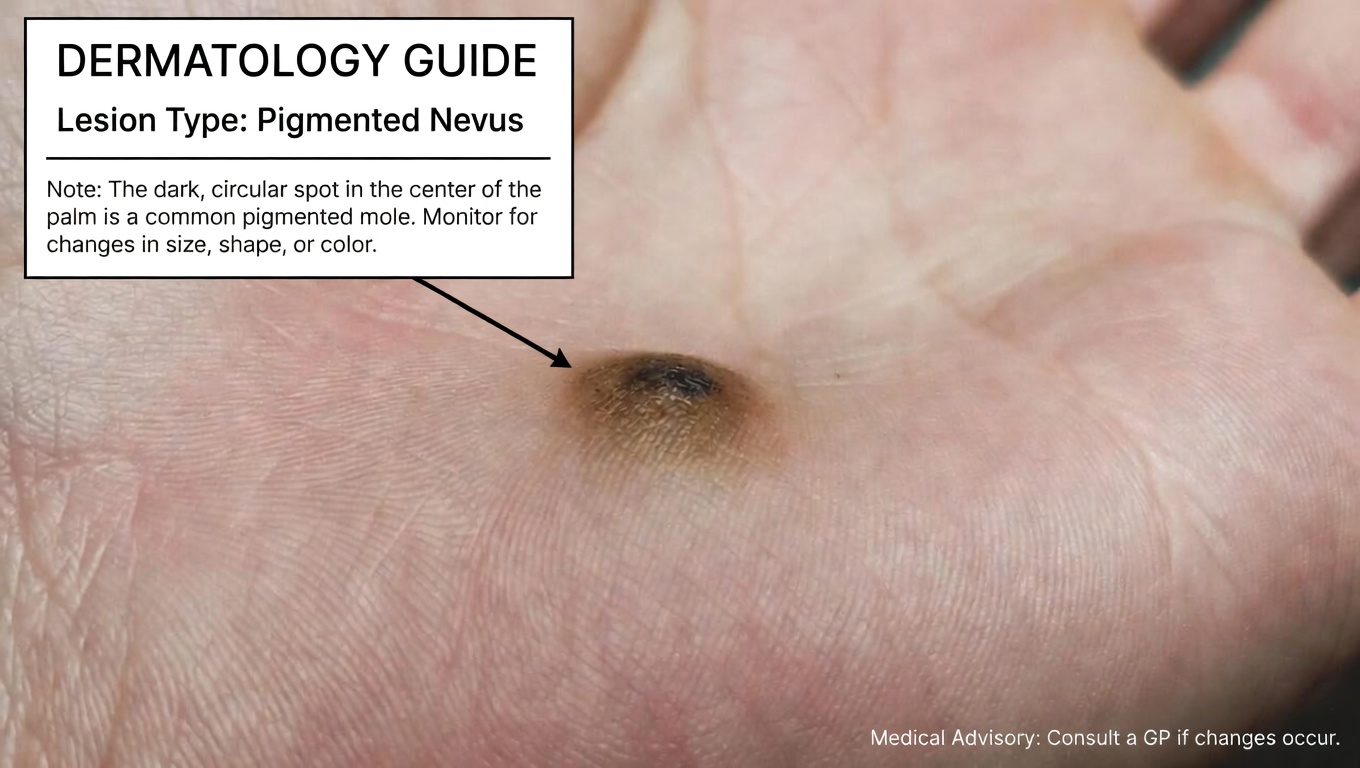
- Existing moles that change in shape, color, size, or texture
- Spots with asymmetry, irregular borders, multiple colors, diameter larger than 6 mm, or evolving appearance (the ABCDE rule)
- Wounds or sores that don’t heal
- Unusual bleeding, crusting, or itching
- Yellowing of the skin or eyes (jaundice)
These changes can be related to skin cancers such as melanoma, basal cell carcinoma, or squamous cell carcinoma. Jaundice may point to problems in the liver, gallbladder, or pancreas.
What to do:
Once a month, examine your skin from head to toe in good lighting, including your scalp, back, and the soles of your feet. Ask a partner or friend to check hard-to-see areas. Report any suspicious or changing spots to a doctor or dermatologist.
5. Difficulty Swallowing
Feeling as though food is getting stuck in your throat or chest, or having frequent trouble swallowing (dysphagia), is sometimes brushed off as simple heartburn or minor irritation. However, if this sensation keeps coming back or worsens, it may be linked to conditions in the esophagus, throat, or stomach, including possible cancers.
What to do:
If swallowing becomes painful, or if you need to change your diet to softer foods for more than a short period, contact a healthcare provider. Early testing can identify whether it is due to acid reflux, infection, or something more serious.
6. Long-Lasting Cough or Hoarseness
A cough that lingers for more than a few weeks—especially when you haven’t had a recent cold or respiratory infection—deserves a closer look. Persistent hoarseness or voice changes can also be a sign of problems in the throat, larynx, or lungs.
These symptoms are more common in smokers, but non-smokers can experience them as well.
What to do:
Avoid smoking and secondhand smoke, reduce exposure to air pollutants, and drink plenty of fluids. If your cough or hoarseness fails to improve after several weeks, or if you cough up blood, see a doctor promptly.
7. Changes in Bowel Habits
Everyone has occasional constipation or diarrhea. However, sudden changes in bowel habits that continue for more than a few weeks should be checked. Watch for:
- Ongoing diarrhea or constipation
- Stools that appear thinner or narrower than usual
- A feeling that your bowel doesn’t empty completely
- Blood in the stool (bright red or very dark, tar-like stools)
These symptoms can be linked to colorectal cancer, but they also occur with infections, hemorrhoids, or inflammatory bowel conditions.
What to do:
Increase fiber intake, drink more water, and stay active for a short trial period. If the changes persist, worsen, or you notice blood, seek medical evaluation. Screening tests like colonoscopy can detect polyps and cancers early.
8. Unusual Bleeding or Discharge
Unexpected bleeding is a classic warning sign mentioned by resources such as the American Cancer Society and WebMD. This includes:
- Blood in urine
- Blood in stool
- Coughing up blood
- Vaginal bleeding between periods or after menopause
- Unusual or persistent discharge with an odd color or odor
These symptoms can be related to cancers of the bladder, kidneys, colon, lungs, cervix, uterus, or other organs.
What to do:
Do not assume it is “just a small issue.” Any unexplained bleeding should be evaluated without delay. Early diagnosis often allows for more treatment options.
9. New Lumps, Bumps, or Swelling
Finding a lump or area of swelling can be frightening, but many are benign (non-cancerous). Still, a new mass that does not go away should be checked. Areas to pay particular attention to include:
- Breasts
- Testicles
- Neck
- Armpits
- Groin
- Any soft tissue area
Breast cancer, testicular cancer, and lymphomas (cancers of the lymphatic system) often show up as lumps or swollen lymph nodes.
What to do:
Perform regular self-checks:
- Breasts: Once a month, feel for changes in texture, shape, or size, and look for dimpling or nipple changes.
- Testicles: After a warm shower, gently roll each testicle between your fingers and thumb to feel for any new lumps or changes.
Report any new, firm, or growing lump to your doctor.
10. Changes in Urination Patterns
Altered urinary habits can indicate issues with the prostate, bladder, or kidneys—especially in men over age 50, but they can affect anyone. Watch for:
- Needing to urinate more often, especially at night
- Pain or burning when urinating
- Weak or interrupted urine stream
- Trouble starting or stopping urination
- Blood in the urine
- Loss of bladder control or leakage
Prostate cancer, bladder cancer, and infections can all cause similar symptoms.
What to do:
Keep track of how frequently you urinate, how urgently you need to go, and whether you feel fully emptied. If you notice persistent changes or discomfort, consult a healthcare provider.
11. Persistent Indigestion or Abdominal Discomfort
Many people experience heartburn, bloating, or stomach pain from time to time. When these symptoms become frequent or ongoing, they may signal something more serious.
Signs to monitor include:
- Regular heartburn or acid reflux
- Feeling full after eating only a small amount
- Unexplained bloating or gas
- Discomfort or pain in the upper abdomen
- Nausea or reduced appetite without clear cause
These can be associated with cancers of the stomach, pancreas, or other digestive organs, as well as ulcers or gallbladder disease.
What to do:
Short-term indigestion may respond to over-the-counter medications, dietary changes, and smaller meals. If symptoms last longer than a couple of weeks, or are severe, talk with your doctor to rule out more serious conditions.
12. Unexplained Fevers or Night Sweats
Fevers often indicate infection, but recurring fevers without a known cause—or severe night sweats that soak your clothes or sheets—can be a warning sign. When these symptoms appear together with weight loss and fatigue, they may be associated with blood cancers such as lymphoma or leukemia.
What to do:
Record your temperature, when fevers occur, and whether you experience chills, sweats, or other symptoms such as weight loss or swollen lymph nodes. Share this information with a healthcare professional, especially if fevers are frequent or long-lasting.

Simple Daily Habits to Improve Body Awareness
You cannot control every risk factor for cancer, but you can become more aware of your body and support your overall health. Try incorporating these practices:
-
Do regular self-exams
- Check your skin monthly for new or changing spots.
- Perform monthly breast self-exams.
- Men should examine their testicles regularly, ideally after a warm shower.
-
Keep a basic health journal
- Note any new or unusual symptoms.
- Record the date, how often they occur, and how long they last.
- Include photos of skin changes if helpful.
-
Schedule routine medical check-ups
- See your primary care provider at least once a year.
- Discuss your personal and family history of cancer or other diseases.
- Ask whether you need earlier or more frequent screening based on your risk.
-
Support your overall health
- Eat a balanced diet rich in fruits, vegetables, and whole grains.
- Move regularly—aim for some physical activity most days of the week.
- Avoid tobacco in all forms and limit alcohol intake.
- Maintain a healthy weight and manage stress.
-
Follow recommended cancer screening guidelines
Depending on your age, sex, and risk factors, your doctor may recommend:- Colon cancer screening (e.g., colonoscopy) starting around age 45
- Breast cancer screening (mammograms) beginning between 40–50, depending on risk
- Cervical cancer screening (Pap tests and HPV tests) for women
- Prostate cancer discussions for men, often starting around age 50 or earlier for higher-risk groups
These habits help you notice meaningful changes without becoming overly anxious about every minor symptom.
Conclusion
Your body often gives early signals when something isn’t right. Learning to notice and respect those signals can guide you toward timely conversations with healthcare professionals. The 12 early warning signs listed here are consistently referenced by trusted sources like the American Cancer Society, Mayo Clinic, and WebMD.
In many cases, these symptoms are caused by non-cancer conditions such as infections, hormonal changes, or lifestyle factors. The key is persistence and change: if a symptom appears suddenly, lasts longer than expected, or keeps getting worse, it is wise to get it evaluated.
Early awareness, combined with appropriate screening and a healthy lifestyle, can play a crucial role in better health outcomes and more effective treatment if cancer is found.
FAQ
What should I do if I notice one of these signs but otherwise feel fine?
You should still bring it to your doctor’s attention. Many cancer symptoms overlap with common, harmless conditions, but a professional evaluation can rule out serious problems and give you peace of mind.
Do these signs always mean I have cancer?
No. Most of the time, these symptoms are linked to non-cancer causes such as infections, stress, diet changes, or other illnesses. However, only a healthcare provider can determine the true cause through examination and, if needed, tests.
How often should I get screened for cancer?
Screening frequency depends on:
- Your age
- Your sex
- Personal and family medical history
- Lifestyle and environmental risk factors
Follow guidelines from reputable organizations such as the American Cancer Society and talk with your doctor about a personalized screening plan that fits your risk profile and health status.