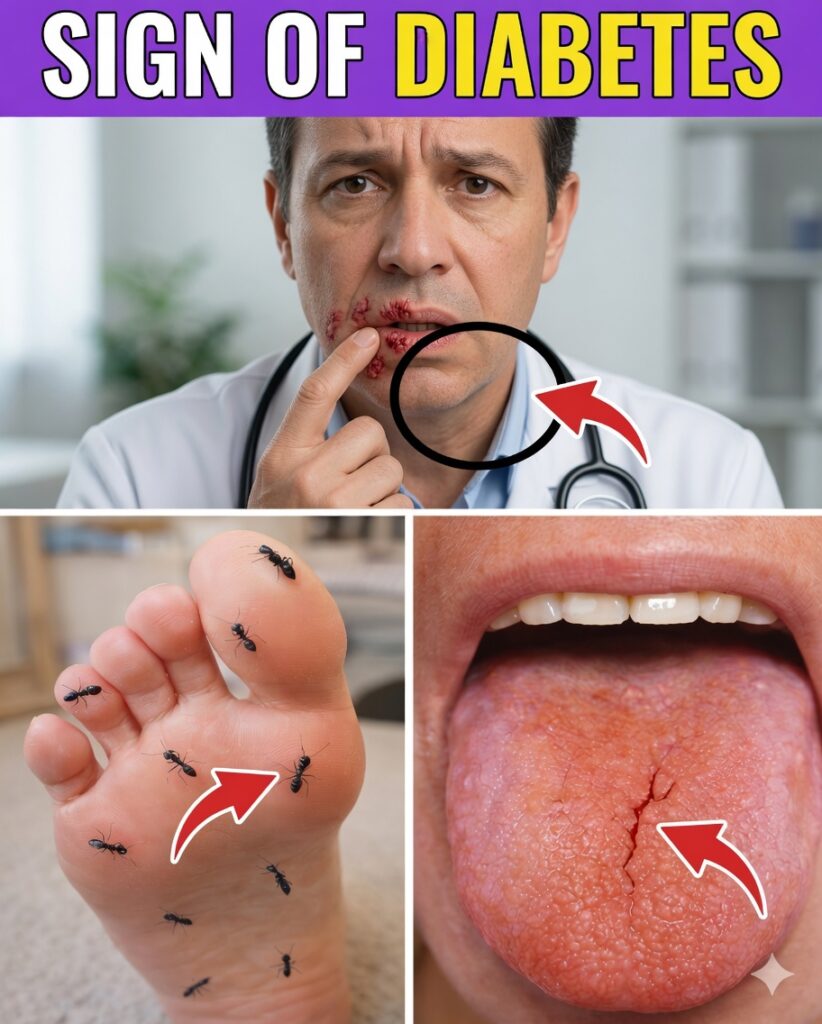
Are You Itchy, Tired, or Waking Up at Night? Your Body May Be Asking for Help — Here’s How to Restore Balance Naturally
Have you ever noticed a strange, lingering feeling in your body—persistent skin itching, restless nights, or fatigue that doesn’t make sense—and brushed it off as “normal”? Those minor annoyances may actually be quiet signals that your blood sugar levels are out of balance.
Many adults—especially after 40—experience these changes without connecting the dots. That’s what makes it risky: the signs can feel harmless, easy to blame on stress, a busy schedule, or aging. The encouraging news is that spotting early symptoms of blood sugar imbalance can make a real difference in long-term health. And there’s one overlooked link that ties many of these symptoms together: how elevated glucose can affect hydration, nerves, circulation, and sleep.
Recent data suggests a significant number of people live with undiagnosed diabetes or prediabetes. One major reason: symptoms can be mild, inconsistent, and mistaken for everyday problems.
Think about waking up sweaty in the middle of the night, feeling an uncomfortable urge to move your legs, or noticing blurry vision for no clear reason. These aren’t always dramatic warning signs—often, they’re simply your body’s way of asking for attention.
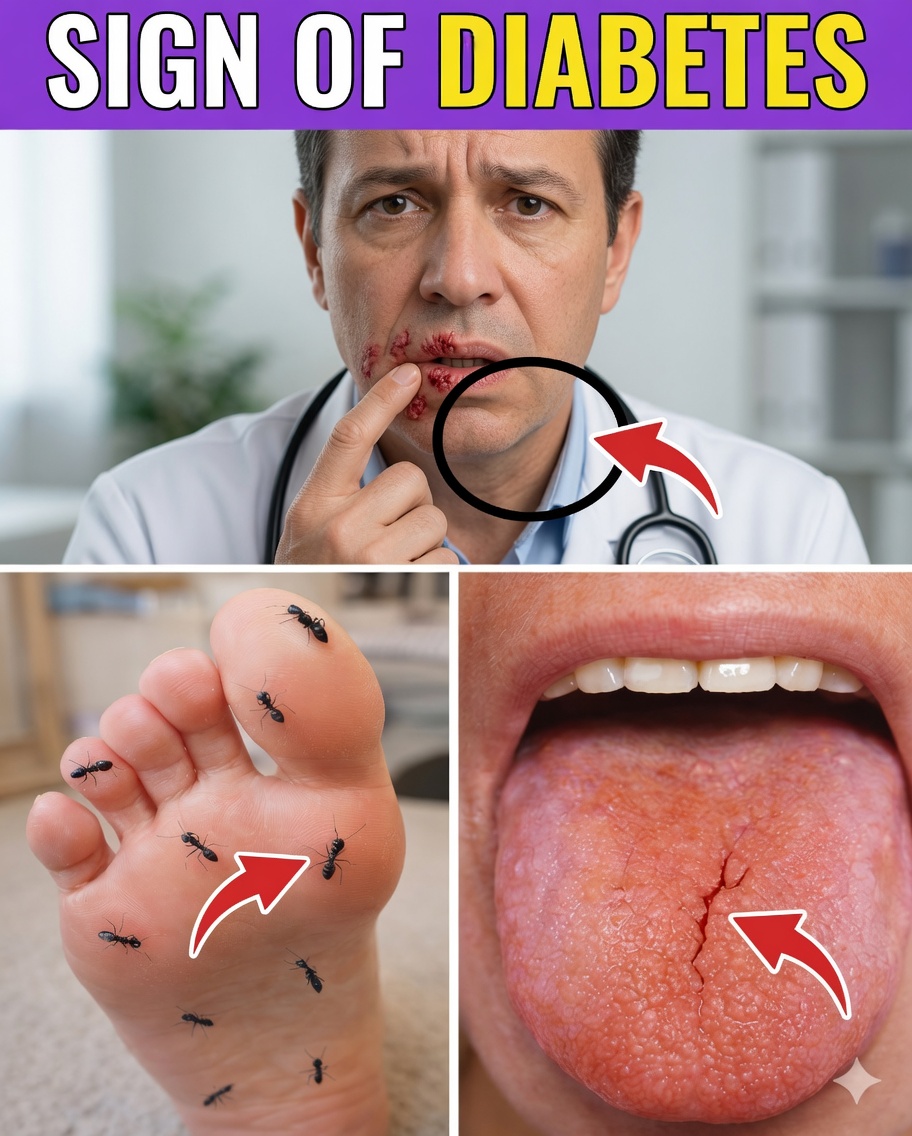
Why These Subtle Signs Matter More Than You Think
When blood sugar stays too high, it can quietly dehydrate the body and place strain on nerves and blood vessels over time. Catching early clues can help reduce the risk of larger complications later.
Take a moment to reflect: How often do you deal with itching, tiredness, or sleep disruptions?
11 Nighttime and “Everyday” Symptoms That May Be Linked to Blood Sugar Issues
1. Itchy skin
Persistent itching can be related to dehydration from elevated glucose. High sugar levels may also increase the likelihood of skin irritation and infections.
2. Frequent nighttime urination
When glucose rises, the body tries to flush out the excess through urine—leading to more bathroom trips and interrupted sleep.
3. Blurred vision
High glucose can temporarily change fluid balance in the eyes, affecting the shape of the lens and causing short-term blurry vision.
4. Restless legs syndrome
An uncomfortable “need to move” the legs may sometimes be associated with nerve changes, which can be influenced by metabolic imbalance.
5. Nighttime hypoglycemia
Waking with sweating, intense dreams, or sudden restlessness can sometimes point to a drop in blood sugar during sleep.
6. Sleep apnea
Breathing pauses during sleep are frequently connected with metabolic and weight-related factors, which can overlap with blood sugar regulation issues.
7. Night sweats
Excessive sweating at night may indicate blood sugar fluctuations or overall metabolic imbalance.
8. Nighttime leg cramps
Cramps can relate to circulation problems or mineral/electrolyte imbalances, which may be more common when glucose control is poor.
9. Excessive thirst at night
A classic effect of high blood sugar is dehydration, which can lead to strong nighttime thirst.
10. Dry mouth and dental issues
A dry mouth can create an environment that supports bacterial growth, increasing the risk of cavities and gum problems.
11. Nerve pain, tingling, or numbness
Burning, pins-and-needles sensations, or numbness can be signs of nerve irritation, which may occur with ongoing blood sugar issues.
What to Do Next: A Simple, Practical Plan
Small steps can lead to meaningful improvements. Consider this approach:
-
Weeks 1–2: Track and observe
- Write down symptoms (what you feel, when it happens, and how often).
- Note patterns: sleep quality, thirst, bathroom trips, cravings, energy levels.
-
Weeks 3–4: Adjust daily habits
- Improve hydration.
- Make supportive food choices (balanced meals, less added sugar, steady meal timing).
- Prioritize sleep consistency and gentle daily movement.
-
After 1 month: Seek professional guidance
- If several symptoms persist, consider medical advice and basic testing (often simple blood work can clarify what’s going on).
Key Takeaway
A steady routine—especially hydration, balanced daily habits, and regular checkups—can support healthier blood sugar levels and noticeably improve quality of life.
Imagine the Difference
Better sleep. More stable energy. Clearer thinking. Healthier skin. For many people, it starts with one step: listening to what your body is trying to say.
FAQ
1. Can I have these signs even if I feel fine overall?
Yes. Many people live with mild symptoms for years without realizing they may be connected to blood sugar imbalance.
2. Do these symptoms only happen at night?
Not necessarily. However, they can be easier to notice during rest, when the body is quieter and distractions are fewer.
3. What should I do if I recognize several of these signs?
The safest first step is to speak with a healthcare professional and request simple screening tests.
Note: This article is for informational purposes only and does not replace medical advice from a qualified healthcare professional.