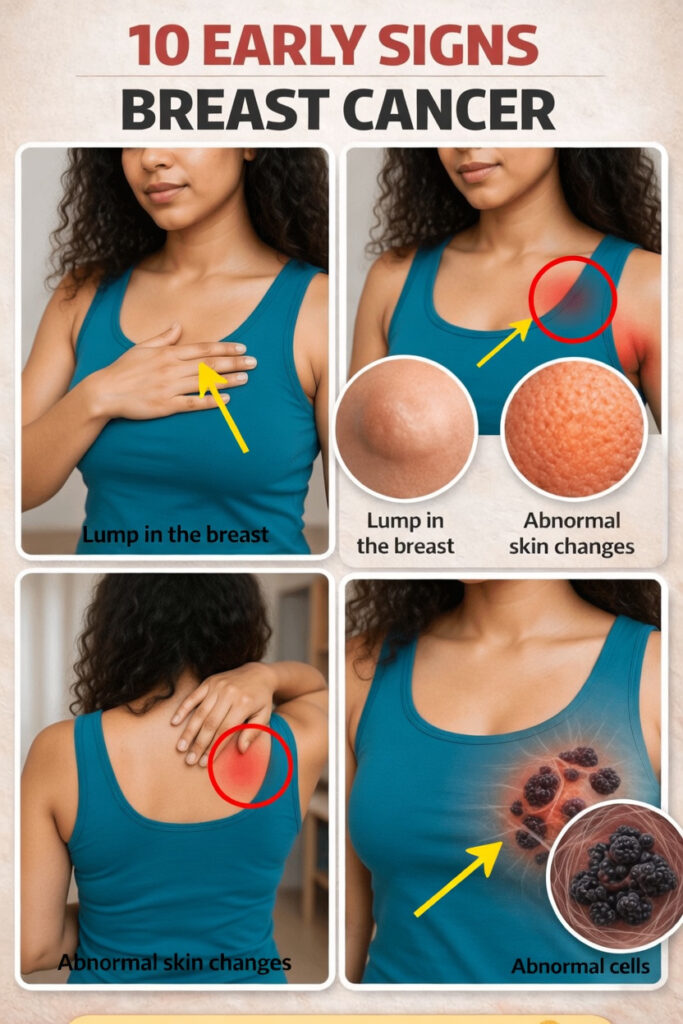
10 Breast Cancer Warning Signs Every Woman Should Know
Breast cancer is still one of the most frequently diagnosed cancers in women across the globe. In many situations, it is only identified after visible or noticeable changes begin to appear. Small shifts in how your breasts look or feel may seem unimportant at first, but overlooking them can delay medical evaluation. Research from respected organizations such as the American Cancer Society has consistently shown that earlier attention is associated with better outcomes.
The reality is that these warning signs are often subtle in the beginning. That is exactly why they deserve prompt attention. Recognizing possible symptoms early can have a meaningful impact on your health journey. Below, you’ll learn the 10 major warning signs supported by trusted medical sources, along with simple steps you can take right away to stay proactive.
Why Recognizing Breast Changes Is So Important
Not every breast change signals cancer. Hormonal fluctuations, aging, and other everyday factors can all affect breast tissue. However, some changes are considered more concerning by experts from institutions like the CDC and Mayo Clinic.
One important detail many people miss is that breast cancer warning signs do not always cause pain. They may also appear without dramatic symptoms. That makes awareness especially valuable, because understanding what to watch for can help you seek care sooner.
1. A New Lump or Thickened Area in the Breast or Underarm
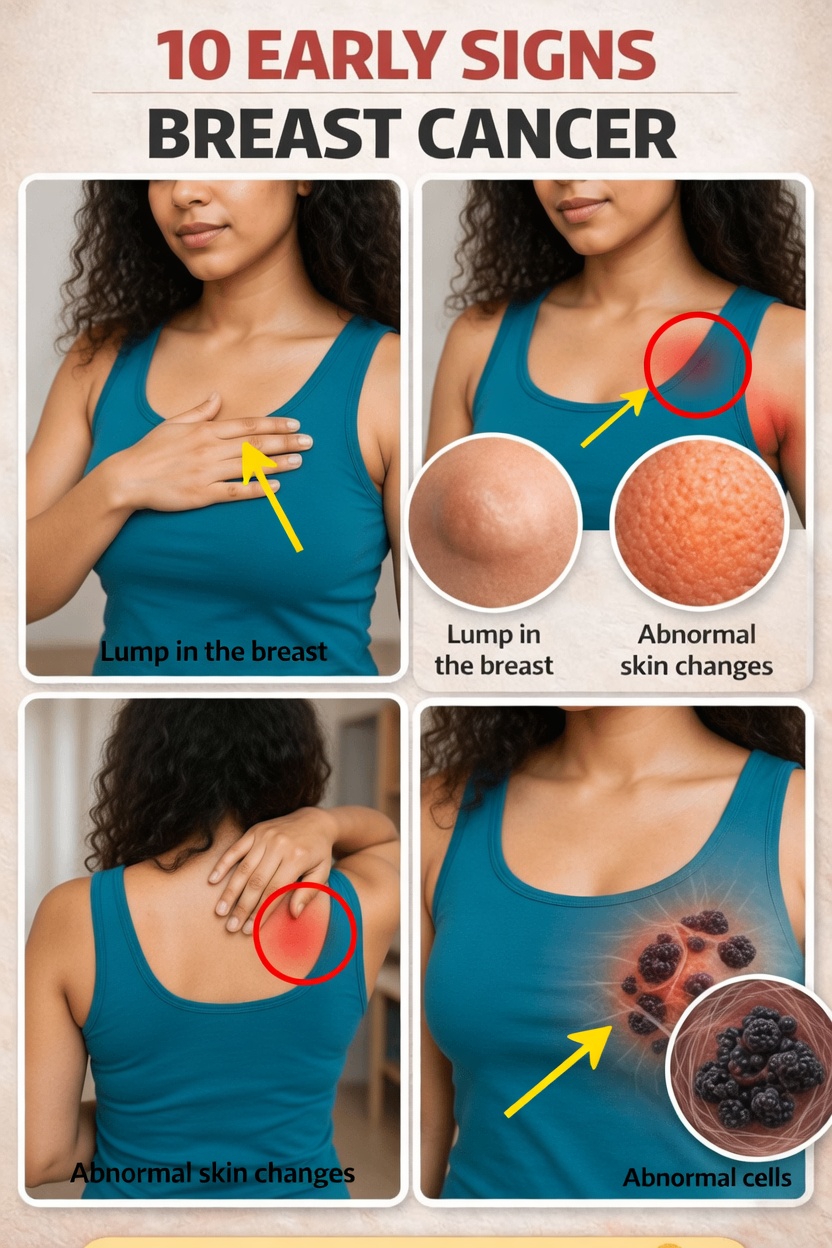
A new lump is one of the most widely recognized breast cancer symptoms. It may develop in the breast itself or in the underarm area. Some lumps feel firm and fixed, while others may be softer. Many are painless.
Although a large number of breast lumps are benign, any lump that remains present should be examined by a healthcare professional. Do not rely on the hope that it will simply disappear on its own.
2. Swelling or Thickening in One Part of the Breast
Sometimes there is no obvious lump, but a section of the breast may begin to feel fuller, denser, or swollen. This change may develop slowly and may only affect one side.
The American Cancer Society notes that swelling in part or all of the breast can be a warning sign, even when no distinct mass can be felt. Any unusual thickening should be discussed with your doctor.
3. Dimpling, Puckering, or Skin Irritation
Pay close attention to the surface of the breast skin. If it begins to dimple, pucker, or resemble the texture of an orange peel, this may indicate changes happening underneath the skin.
Some women also notice a mild pulling sensation or irritation that does not go away. Because these changes can seem minor at first, they are often dismissed. Still, persistent skin texture changes should be evaluated.
4. Red, Flaky, or Scaly Skin on the Breast or Nipple
Redness, scaling, or flaking on the nipple or breast can sometimes resemble a simple rash or eczema. However, if these symptoms do not improve with routine skin care or common creams, they should not be ignored.
In some cases, the area may also appear inflamed or develop small sores. According to the CDC, ongoing skin changes like these are among the signs that should prompt a medical visit.
5. A Nipple That Suddenly Turns Inward
If a nipple that normally points outward becomes flat, retracts, or pulls inward, this is worth noting. A newly inverted nipple may affect one side or, less commonly, both sides.
This type of change does not always come with pain, which is why it can be easy to overlook. Mayo Clinic guidance identifies new nipple inversion as a symptom that should be checked without delay.
6. Nipple Discharge That Is Not Breast Milk
Unexpected nipple discharge can be another warning sign, especially when you are not pregnant or breastfeeding. This is more concerning if the fluid is clear, bloody, or appears only from one breast.
Discharge that happens spontaneously, without squeezing the nipple, deserves special attention. Organizations such as Susan G. Komen recommend medical evaluation for any unusual nipple fluid.
7. A Noticeable Change in Breast Size or Shape
A difference in breast size, contour, or shape can sometimes be an early clue. One breast may begin to look larger, lower, fuller, or otherwise different from the other.
This type of asymmetry may develop gradually over several weeks or months. Even without pain, an unexplained change in appearance should not be dismissed.
8. Ongoing Breast or Nipple Pain
Breast cancer does not always cause pain, but persistent discomfort in the breast or nipple area can still be important. If the pain continues beyond your normal menstrual cycle or keeps returning, it is a good idea to seek medical advice.
Pain becomes more concerning when it occurs alongside other symptoms, such as skin changes, swelling, or a lump.
9. Changes in Breast Skin Color or Warmth
In addition to dimpling, be alert for unusual redness, darkening, or warmth across the breast. Some inflammatory forms of breast cancer can cause the breast to become swollen, hot, and red, which may resemble an infection.
These changes can come on quickly, so prompt medical evaluation is especially important when they appear suddenly.
10. Swollen Lymph Nodes Near the Armpit or Collarbone
Lumps or swelling near the underarm or collarbone may be related to nearby lymph nodes. These nodes may feel enlarged, tender, or firmer than usual.
Even if the swelling seems small, it should be checked, especially when it appears together with changes in the breast.
Simple Ways to Stay Proactive
Awareness is helpful, but taking action is even more important. A few practical habits can support early detection and help you notice changes sooner.
- Perform a monthly breast self-check while showering or lying down, using the pads of your fingers to feel for changes.
- Look at both breasts in the mirror to compare size, shape, and skin appearance.
- Keep up with routine clinical breast exams during regular healthcare visits.
- Follow breast screening recommendations, including mammograms starting at age 40 or earlier if you have higher risk factors, based on your doctor’s advice.
- Write down any unusual changes in a notebook or app, including dates, descriptions, and photos if useful for medical review.
These steps only take a few minutes, but they can improve awareness and support earlier diagnosis.
What to Do If You Notice a Warning Sign
If you detect any of these symptoms and they last longer than a couple of weeks, contact your healthcare provider as soon as possible. Explain clearly what you have observed, when it began, and whether it has changed over time.
Do not hesitate to ask whether imaging or further evaluation is needed. Most breast changes are not cancer, but getting checked is the best way to gain answers and peace of mind.
Frequently Asked Questions
What if I notice one of these signs but have no family history of breast cancer?
A family history can raise risk, but many women diagnosed with breast cancer do not have one. Any persistent breast change should be assessed, regardless of your background.
Can these warning signs affect both breasts?
Yes, they can, although many changes are more obvious in one breast. Comparing both sides regularly can help you spot differences.
How quickly should I see a doctor?
If a change does not go away quickly, try to schedule an appointment within one to two weeks. In general, faster attention is better than waiting.
Final Takeaway
Being informed does not mean living in fear. It means knowing your body well enough to recognize when something is different. Trusted medical organizations, including the CDC, Mayo Clinic, and the American Cancer Society, all stress the importance of awareness without panic.
The key message is simple: if a breast change is new, unusual, or persistent, get it checked. Staying alert to these signs could make a real difference.