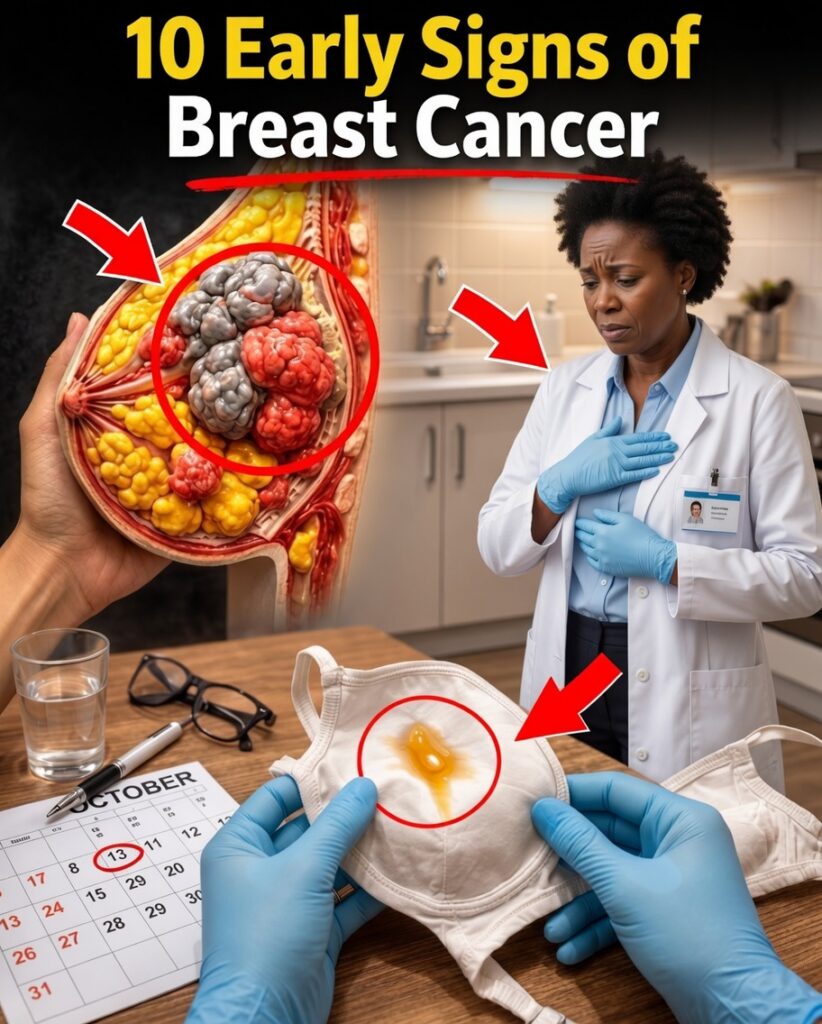
10 Quiet Breast Cancer Warning Signs That May Appear Without Pain—Know Them Before It’s Too Late
Many women move through busy daily routines without noticing subtle breast changes that could signal something serious. Breast cancer remains one of the most common cancers worldwide, and while regular screenings are essential, recognizing early warning signs on your own can be just as impactful. When life gets hectic, it’s easy to dismiss symptoms—but delaying action can be costly.
That’s why it helps to know what to watch for. Below are 10 important breast cancer symptoms explained in clear, simple terms, so you can respond with awareness and speed.
Why Early Attention Matters
Breast changes can happen for many reasons, including hormonal shifts or benign conditions. However, some symptoms are persistent, unusual, or simply don’t match your normal pattern. Spotting them early can increase your options for timely evaluation and appropriate care.
The reassuring news: many breast changes are not cancer. Still, only a qualified healthcare professional can confirm what’s going on.
1. A New Lump or Thickening in the Breast or Armpit
A new lump, hardened area, or thickened tissue may feel different from the surrounding breast. It might be painless or tender. Even if it’s small or subtle, a change that doesn’t go away should be checked.
2. Swelling or a Change in Size/Shape
If one breast appears noticeably larger, swollen, or shaped differently without a clear reason, it can be an important sign—even when there’s no pain.
3. Dimpling or an “Orange Peel” Texture
Skin may look puckered, dimpled, or textured like an orange peel. These changes can reflect deeper shifts inside the breast.
4. Redness, Flaking, or Irritated Skin
Breast skin can appear red, scaly, flaky, or unusually irritated. If it doesn’t improve or keeps returning, treat it as a warning sign.
5. Nipple Retraction or Position Changes
If a nipple starts turning inward or changes position—especially if it previously looked normal—pay close attention and seek medical advice.
6. Unusual Nipple Discharge
Fluid leaking from the nipple without squeezing, particularly if it’s bloody or an unusual color, should be evaluated promptly.
7. Ongoing Breast or Nipple Pain
Pain is not always present with breast cancer, but persistent discomfort without an obvious cause deserves professional assessment.
8. Changes in Skin Texture or Color
Thickening, warmth, unusual discoloration, or a different feel to the skin can point to changes that shouldn’t be ignored.
9. Swollen Lymph Nodes in the Armpit or Near the Collarbone
Enlarged lymph nodes can sometimes appear before visible breast changes. If swelling persists in the armpit or around the collarbone, it’s worth investigating.
10. Any Persistent, Unexplained Change
Itching, sores that don’t heal, ongoing irritation, or simply a consistent feeling that something is “off” should be taken seriously—especially when it lasts.
Quick Summary: Breast Changes to Watch For
- New lump or thickening
- Change in size or shape
- Dimpling / orange-peel texture
- Redness or flaking
- Nipple pulling inward
- Unusual nipple discharge
- Persistent pain
- Skin texture or color changes
- Swollen lymph nodes
- Any ongoing unusual change
What You Can Do Right Now
- Do monthly breast self-checks
- Look at your breasts regularly in the mirror (front and sides)
- Write down any changes you notice (what, where, when it started)
- Contact a healthcare professional if anything seems unusual
- Support your health with balanced habits (sleep, activity, nutrition, limiting alcohol)
Common Questions
Can men have these symptoms too?
Yes. Male breast cancer is rare, but men can develop breast cancer and may notice similar warning signs.
Does family history change the risk?
Yes. A family history can mean you may need earlier or more frequent monitoring. A clinician can guide you based on your personal risk profile.
Are most breast lumps cancer?
No. Many lumps are benign (non-cancerous). However, only an exam and appropriate tests can confirm the cause.
Conclusion
Caring for your breast health doesn’t have to feel frightening. The more familiar you are with your body, the easier it is to recognize changes early and seek guidance. Small actions today can bring greater peace of mind later.
If something feels different, don’t brush it off. Getting help early can make a meaningful difference.
Important notice: This content is for informational purposes only and does not replace medical evaluation. Always consult a qualified healthcare professional for diagnosis and appropriate guidance.