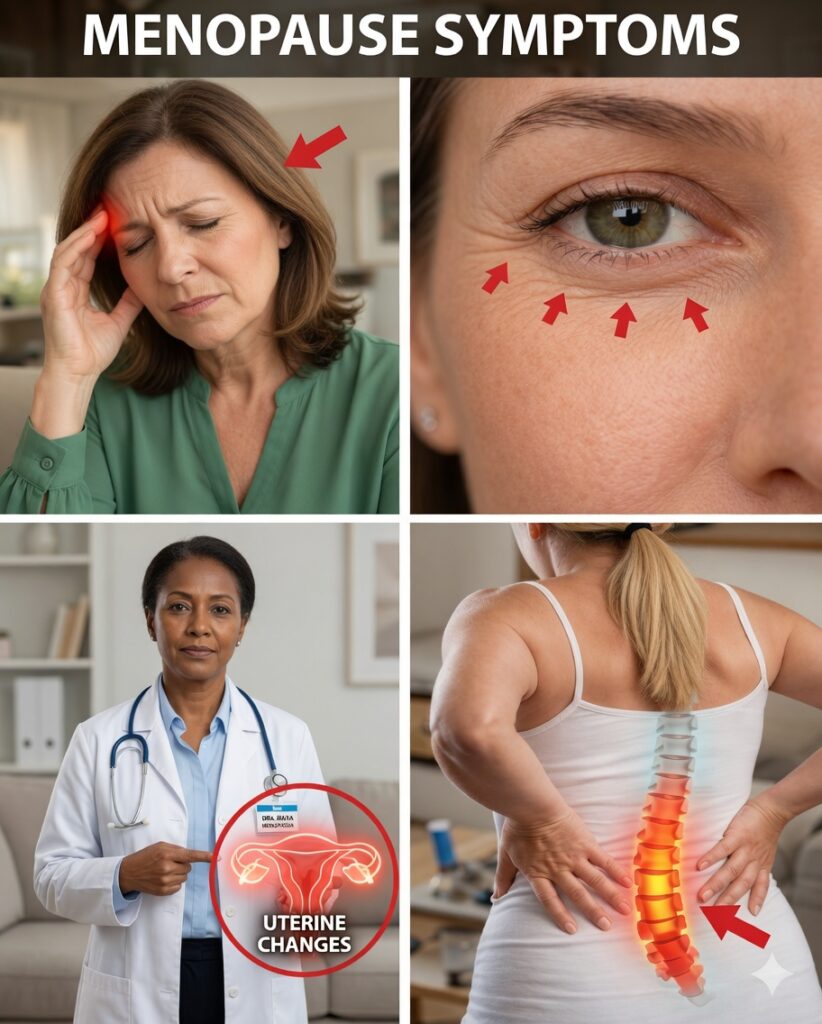
Has Your Body Changed Suddenly? 10 Quiet Signs of Early Menopause That May Explain Everything
Waking up in the middle of the night drenched in sweat—again. Your menstrual cycle becomes unpredictable, your mood swings feel random, and even your body seems “different” in ways you can’t quite explain. Many women blame these changes on stress, exhaustion, or simply getting older. But sometimes, your body is signaling something more specific.
Early menopause can begin subtly and remain unnoticed for years. Spotting the signs sooner can help you protect your health and reduce ongoing discomfort. Below, you’ll learn what early menopause is, the most recognized symptoms, and 10 lesser-known signs that may point to early menopause—plus practical, natural ways to support your body during this transition.
What Is Early Menopause?
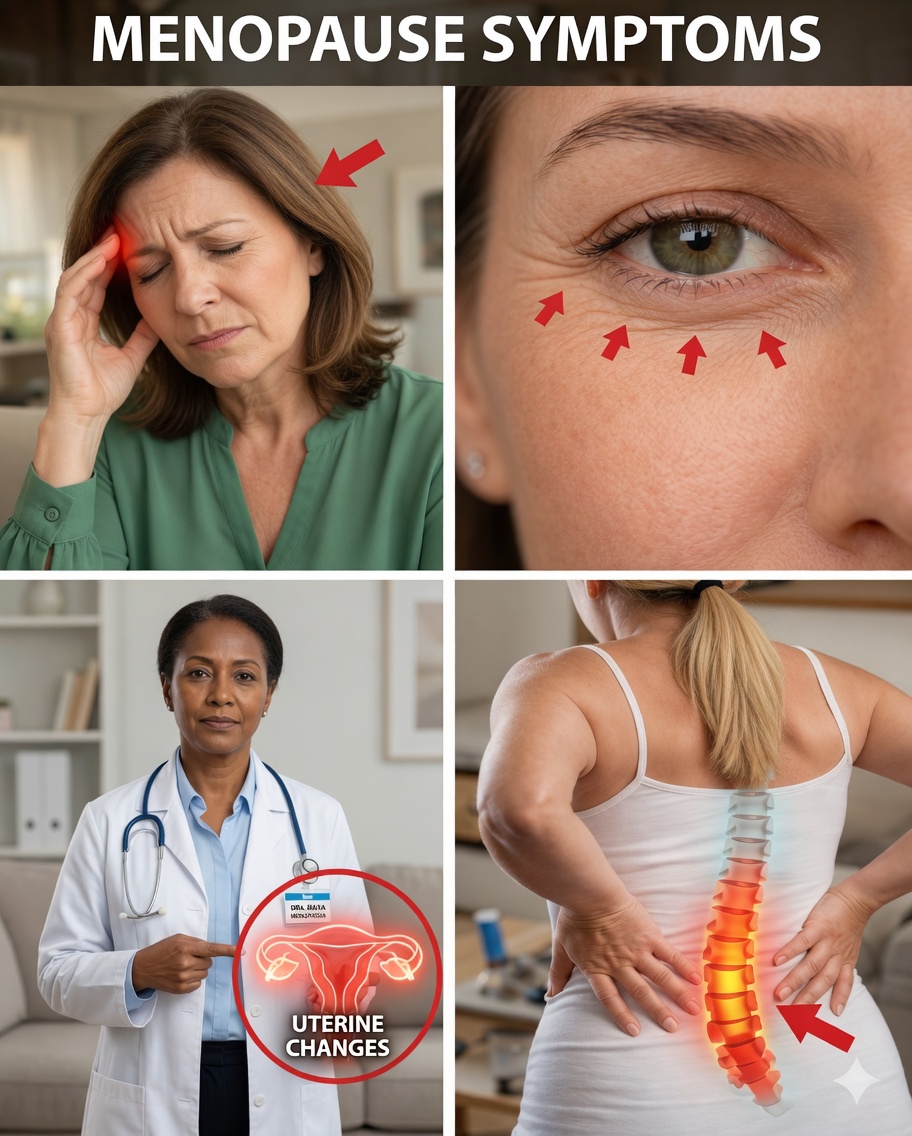
Early menopause happens when periods stop and menopause symptoms begin before age 45. If it occurs before age 40, it’s often called premature menopause or primary ovarian insufficiency (POI).
In most cases, natural menopause happens around age 51. When menopause comes earlier than expected, the body spends more years with lower estrogen levels—a hormone that supports many systems throughout the body.
Possible causes include:
- Genetics (family history)
- Autoimmune conditions
- Medical treatments (such as chemotherapy)
- Surgeries that remove the ovaries
In many women, however, the exact cause is never identified.
Because prolonged low estrogen can increase long-term risks—especially osteoporosis and cardiovascular disease—recognizing early menopause symptoms matters for more than day-to-day comfort.
The Most Common Menopause Symptoms
When people think of menopause, they often picture hot flashes and night sweats. These sudden waves of heat can disrupt sleep and daily life.
Other widely known signs include:
- Irregular periods
- Vaginal dryness
- Mood changes
- Sleep problems
These symptoms are common during the menopausal transition. Still, many women experience additional signs that are rarely discussed—yet can be important clues.
10 Surprising Signs of Early Menopause
1. Burning Mouth or a Metallic Taste
Some women notice a burning sensation on the tongue or a lingering metallic taste. Lower estrogen may affect oral tissues and reduce saliva production, changing how the mouth feels.
2. Dry Eyes and Vision Changes
Gritty, irritated eyes or occasional blurry vision can occur because estrogen plays a role in tear production and eye moisture.
3. Voice Changes
Your voice may sound hoarser or feel tired more easily. Hormonal shifts can influence the vocal cords and throat tissues.
4. Ringing in the Ears (Tinnitus)
A persistent ringing, buzzing, or hissing sound—often more noticeable at night—may be linked to hormonal changes that affect the auditory system.
5. Dizziness or Vertigo
Feeling lightheaded, unsteady, or as if the room is spinning can happen when hormones influence blood pressure regulation and the inner ear.
6. Joint Pain and Morning Stiffness
Aches in the joints or stiffness when getting out of bed are frequently reported. Estrogen has anti-inflammatory effects, and lower levels may contribute to increased inflammation and discomfort.
7. Tingling Sensations in the Body
Pins-and-needles feelings or brief “electric shock” sensations in the arms, legs, hands, or feet may occur as hormonal changes affect the nervous system.
8. Memory Slips and “Brain Fog”
Forgetting words, losing your train of thought, or struggling to focus can be more common than many realize. Hormones can directly influence brain function, attention, and memory.
9. Changes in Body Odor or Digestion
Some women notice stronger body odor, more bloating, or digestive shifts. Hormone-related changes in metabolism and gut microbiota may play a role.
10. Anxiety and Mood Swings
Irritability, anxiety, low mood, or emotional ups and downs may become more frequent. Estrogen influences brain chemicals associated with wellbeing and emotional regulation.
These signs may appear alone or in clusters. Tracking how they change over time can help you identify patterns and discuss them more clearly with a healthcare professional.
Why Early Menopause Deserves Attention
Early menopause is not only about uncomfortable symptoms. It also means less lifetime exposure to estrogen, which can affect:
- Bone health (higher risk of bone loss and osteoporosis)
- Heart and blood vessel health (potentially higher cardiovascular risk)
The earlier symptoms are recognized, the sooner you can take steps to support long-term wellbeing.
What You Can Do to Ease Symptoms Naturally
Simple lifestyle changes can make a meaningful difference over time:
- Track your symptoms: Note what you feel, when it happens, and what seems to trigger it.
- Protect your sleep: Keep your bedroom cool and reduce screen time before bed.
- Move gently and consistently: Walking, yoga, and stretching may help joint stiffness and mood.
- Eat a balanced, hormone-supportive diet: Focus on foods rich in omega-3s, calcium, and fiber.
- Stay well hydrated: Water can support dizziness, dryness, and overall energy.
- Talk to a healthcare professional: Especially if symptoms interfere with your quality of life or appear before age 45.
Small daily habits often add up to noticeable improvements.
Conclusion
Early menopause can bring unexpected changes, but recognizing what your body is telling you is a powerful first step. From well-known symptoms like hot flashes to quieter signs like dry eyes, memory changes, or tingling sensations, awareness helps you act earlier and care for your long-term health.
Disclaimer: This article is for informational purposes only and does not replace professional medical advice. Always consult a qualified healthcare provider for evaluation and personalized guidance.