Surprising Everyday Uses for Aspirin (Beyond Headache Relief)
Most people only think of aspirin when a headache hits or mild aches appear, but this common medicine cabinet staple can be surprisingly versatile. Thanks to its salicylic acid content, aspirin has several practical uses around the house—from keeping flowers fresher for longer to supporting simple DIY skin care routines.
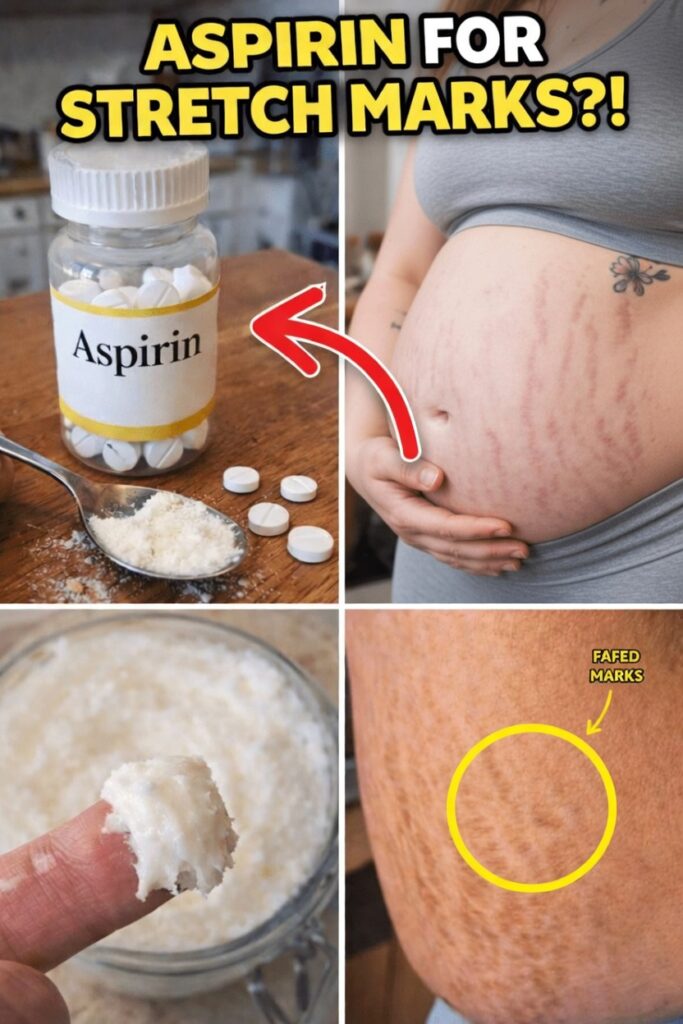
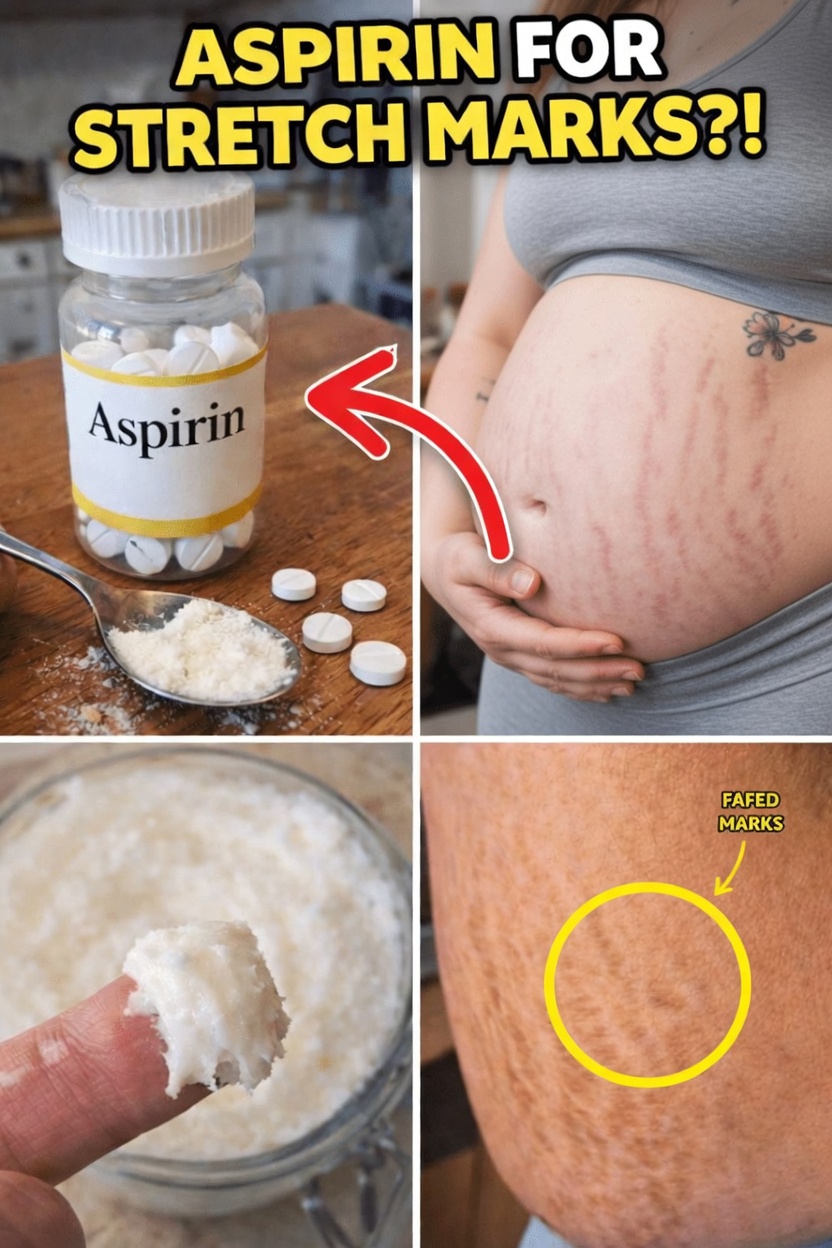
One popular online tip even suggests using crushed aspirin in homemade mixtures to target cosmetic concerns such as stretch marks. Before trying that, though, it’s worth understanding what aspirin can realistically do—and what the science actually says.
Why Aspirin Can Do More Than Ease Pain
Aspirin is made from acetylsalicylic acid, a synthetic form related to salicylic acid, the natural compound historically derived from willow bark. For years, salicylic acid has been used in skincare products because it:
- Gently exfoliates dead skin cells
- Helps reduce inflammation in certain formulations
These properties explain why aspirin pops up in so many DIY tips. However, it’s important to remember:
- These are informal, home-use ideas—not medical treatments.
- Effects vary from person to person.
- Safety always comes first, especially if you have allergies or sensitive skin.
Below are several common non-medical uses people try with aspirin at home.
1. Soothe Mild Skin Irritations Like Bug Bites
Mosquito or insect bites often leave small, itchy welts that can be distracting and uncomfortable. A simple aspirin paste may offer temporary relief for some people.
How to try it:
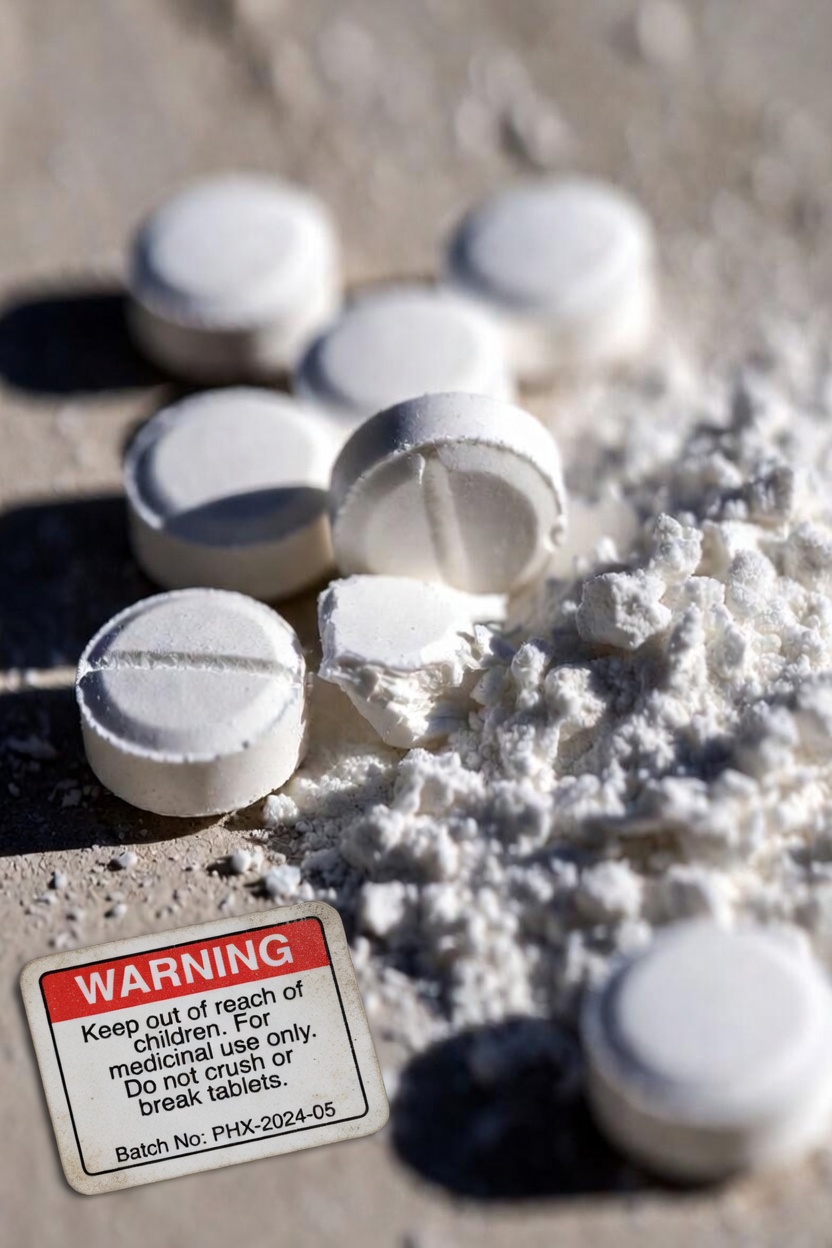
- Crush 1–2 uncoated aspirin tablets into a fine powder.
- Add a few drops of water to form a thick paste.
- Apply a thin layer to the bite area.
- Leave on for about 10–15 minutes, then rinse with water.
The anti-inflammatory action of the acetylsalicylic acid may help reduce redness and irritation for a short period. This is not a replacement for proper wound care or medical treatment, especially for severe reactions.
2. Help Fresh-Cut Flowers Stay Vibrant Longer
A classic household trick for keeping bouquets looking lively involves aspirin in the vase water.
What to do:
- Crush one aspirin tablet and add it to the vase.
- Fill the vase with clean water.
- Replace the water every couple of days, adding a newly crushed tablet each time.
The slightly more acidic water can slow bacterial growth and may help stems absorb water and nutrients more effectively. Many flower lovers notice their arrangements last a few extra days with this method.
3. Reduce Sweat Stains on Clothing
Yellow sweat stains on collars and underarms are notoriously hard to remove, especially on light fabrics. Aspirin can sometimes help break down the residue causing the discoloration.
How to use it:
- Crush 3–4 aspirin tablets.
- Dissolve them in about one cup of warm water.
- Soak the stained parts of the garment in the solution for several hours or overnight.
- Wash the item as you normally would.
Because salicylic acid can help dissolve protein-based stains, this works best on newer stains and light-colored fabrics. Always spot-test delicate materials.
4. Give Garden and Houseplants a Mild Boost
Some gardeners use aspirin water as a gentle support for plant health.
Basic method:
- Dissolve one uncoated aspirin tablet in a gallon (about 3.8 liters) of water.
- Use this solution to water plants approximately once every few weeks.
Research shows salicylic acid plays a role in natural plant defense systems and stress responses. While home doses are low and effects may be subtle, some plant enthusiasts feel aspirin water helps with growth and resilience against minor issues. Avoid overuse and monitor how your plants respond.
5. Soften Callused, Rough Feet
Dry, cracked heels and thick calluses can feel uncomfortable and look rough. A mild aspirin scrub may help gently smooth the skin.
Try this simple foot exfoliation:
- Crush several aspirin tablets into powder.
- Mix with a bit of lemon juice or water until you get a paste.
- Apply to thickened areas of skin and massage gently for a few minutes.
- Rinse thoroughly and pat feet dry.
- Follow with a rich foot cream or moisturizer.
Over time and with occasional use, the light exfoliating effect may help your feet feel softer. Avoid using on broken or irritated skin.
6. Spot-Treat Occasional Pimples
Aspirin-based spot treatments are a popular DIY idea for occasional blemishes.
How to create a simple spot treatment:
- Crush one aspirin tablet.
- Mix with a few drops of water or honey to form a smooth paste.
- Apply directly to the pimple.
- Leave on for 10–15 minutes, then wash off gently.
Aspirin’s anti-inflammatory properties may temporarily reduce redness and swelling. However:
- Dermatologists generally recommend tested salicylic acid products (like cleansers or gels) for consistent acne care.
- This DIY method is best reserved for occasional use, not full-face or daily application.
More Quick Household Ideas with Aspirin
Here are a few additional ways people use aspirin around the home:
-
Reduce dandruff buildup:
Crush aspirin tablets, mix the powder into a portion of your shampoo, massage into the scalp, leave for a few minutes, then rinse thoroughly. -
Polish tarnished metal:
Combine crushed aspirin with a small amount of water to make a paste, then rub gently onto brass or copper items before rinsing and drying. -
Ease minor callus discomfort elsewhere:
Similar to the foot method, apply a paste to a callused area, cover with a bandage or wrap, and leave on overnight—always patch test first and avoid broken skin.
Aspirin and Stretch Marks: What You Really Need to Know
You may have seen social media posts claiming that mixing crushed aspirin with ingredients like coconut oil, yogurt, or other moisturizers can help fade stretch marks. These marks commonly appear on the abdomen, thighs, hips, or breasts during pregnancy, rapid growth, or weight changes.
The theory is that aspirin’s exfoliating and anti-inflammatory effects might improve the look and texture of the skin over time.
However, current scientific evidence does not strongly support aspirin as an effective treatment for stretch marks. Trusted medical sources, including the American Academy of Dermatology and the Mayo Clinic, emphasize:
- Many home remedies, including lotions, oils, or DIY pastes, offer limited visible change.
- Stretch marks are a normal result of skin stretching and changes in collagen.
- Over time, they often fade naturally from red or purple to light, silvery lines.
Keeping skin moisturized can help improve softness and comfort, but it rarely erases stretch marks completely.
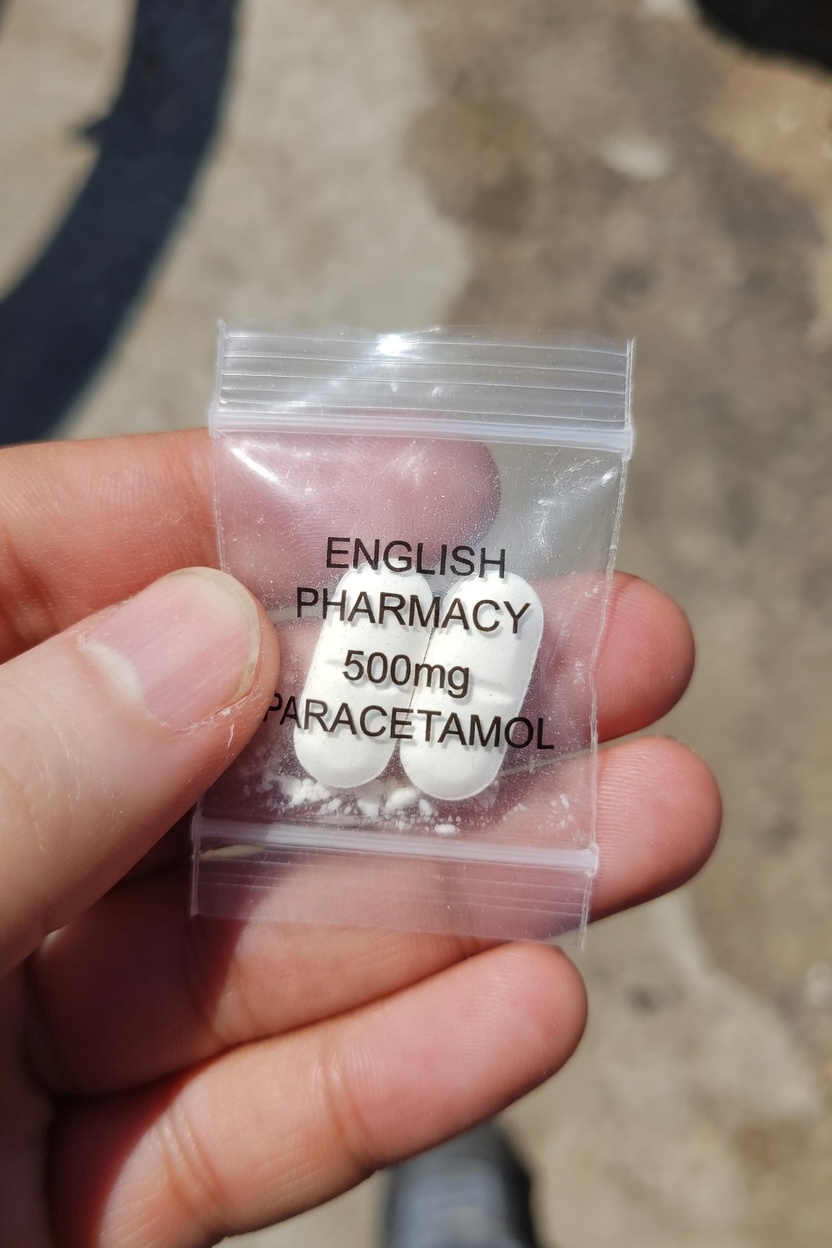
A Gentle DIY Aspirin Mix Some People Try
If you’re still curious about using aspirin in a simple at-home routine (with realistic expectations), here is a commonly shared approach:
- Crush 2–3 uncoated aspirin tablets into a fine powder.
- Blend with about one tablespoon of a moisturizing oil, such as coconut oil.
- Apply the mixture to clean skin over the stretch marks, massaging in circular motions for 1–2 minutes.
- Leave it on for about 10–15 minutes.
- Rinse off and follow with a regular moisturizer.
Important safety notes:
- Always patch-test on a small area of skin (like the inner forearm) first.
- Do not use on broken, irritated, or freshly inflamed skin.
- This is not a medically proven treatment—at best, it may leave the skin feeling smoother and more hydrated.
Beyond any topical remedy, overall skin resilience is supported by everyday habits: drinking enough water, eating nutrient-dense foods, and protecting skin from excessive sun exposure.
Final Thoughts
Aspirin is more than just a go-to for headaches. Its chemical properties make it a surprisingly useful tool for small, everyday challenges—from keeping flowers fresher to softening calluses and supporting basic DIY skincare experiments.
If you decide to explore these alternative aspirin uses:
- Start with small test areas.
- Use sparingly, especially on skin.
- Stop immediately if you notice irritation or discomfort.
With a thoughtful, cautious approach, you can discover which of these aspirin tricks—if any—fit into your home and self-care routine.
FAQ
Is it safe to use aspirin on the skin?
Many people tolerate small, occasional topical applications of aspirin without issues. However, skin irritation, redness, or dryness can occur. Always:
- Do a patch test before wider use.
- Avoid aspirin on damaged or sensitive skin.
- Never use it topically if you have an aspirin allergy or are sensitive to salicylates.
Can aspirin prevent stretch marks during pregnancy?
There is no strong scientific evidence that aspirin (or most home remedies) can prevent stretch marks or significantly reduce them once they form. During pregnancy, it is especially important to:
- Avoid using any treatment without your doctor’s approval.
- Focus on gentle, regular moisturizing and overall skin care recommended by your healthcare provider.
How often can I use aspirin for these household and skincare tips?
For skin-related uses, it’s best to limit applications to about once or twice a week to reduce the risk of dryness or irritation. For non-skin uses:
- Plants and garden: About once every few weeks with diluted aspirin water.
- Cut flowers: With each water change, using a freshly crushed tablet.
Always adjust based on how your skin, fabrics, or plants respond.