10 Commonly Missed TIA Warning Signs After 60
Many adults over 60 experience brief dizziness, short-lived numbness, or unexpected fatigue and assume these changes are simply part of aging. Because these episodes often disappear quickly, they are easy to ignore. However, in some cases, they may point to a transient ischemic attack (TIA), often called a mini-stroke.
A TIA happens when blood flow to the brain is temporarily reduced or blocked. Although symptoms may fade fast, the event should never be taken lightly. Medical organizations such as the Mayo Clinic and the American Stroke Association emphasize that TIAs and major strokes often come from the same underlying vascular problems. When a TIA is overlooked, the risk of a more serious stroke can rise significantly.
The encouraging news is that early recognition and prompt medical care can greatly improve outcomes. Understanding the subtle symptoms can help you respond quickly and protect your long-term brain health.
Why TIAs Matter More After Age 60
As the body ages, blood vessels naturally become less elastic. At the same time, conditions such as high blood pressure, elevated cholesterol, and irregular heart rhythms become more common. These factors can increase the chance of a temporary blockage in a blood vessel supplying the brain.
A TIA occurs when a small clot or bit of debris briefly interrupts circulation to part of the brain. The symptoms resemble those of a stroke, but they usually disappear within minutes or within an hour. Even so, they are a major warning sign. Research suggests that up to 20% of people who have a TIA may experience a full stroke within 90 days if the root cause is not treated.
Because TIA symptoms can vanish so quickly, many people never seek care. Yet even a short interruption in blood flow can leave behind tiny areas of injury visible on brain scans. That is why every suspected TIA deserves urgent attention.
Risk Factors That Raise the Likelihood of a TIA
Some health conditions and lifestyle habits make TIAs more likely, especially after age 60. The most important risk factors include:
- High blood pressure
- Smoking
- Diabetes
- High cholesterol
- Atrial fibrillation
- Excess body weight
- Physical inactivity
Age itself is also a major factor. Stroke risk begins to climb steadily after age 55, making prevention especially important in later years.
Healthy daily habits can help reduce that risk. Consider reviewing these simple practices:
- Check your blood pressure at home each week
- Try to get 30 minutes of moderate exercise on most days
- Eat more vegetables, fruits, whole grains, and other heart-friendly foods
- Reduce salt, processed meals, and sugary beverages
- Avoid smoking and keep alcohol intake moderate
Small changes made consistently can support better blood flow and vascular health over time.
10 Often Overlooked Signs of a Possible TIA
These warning signs usually appear suddenly and may disappear just as quickly. That is exactly why they are so often mistaken for normal aging or minor everyday issues.
1. Sudden weakness or numbness on one side
A face, arm, or leg may suddenly feel heavy, weak, or tingling, usually on only one side of the body. Many people assume they slept in an awkward position or pinched a nerve.
2. Brief trouble speaking or understanding language
A person may suddenly slur words, struggle to find the right term, or have trouble following a conversation. If it clears quickly, it can still be a TIA warning.
3. Temporary vision problems
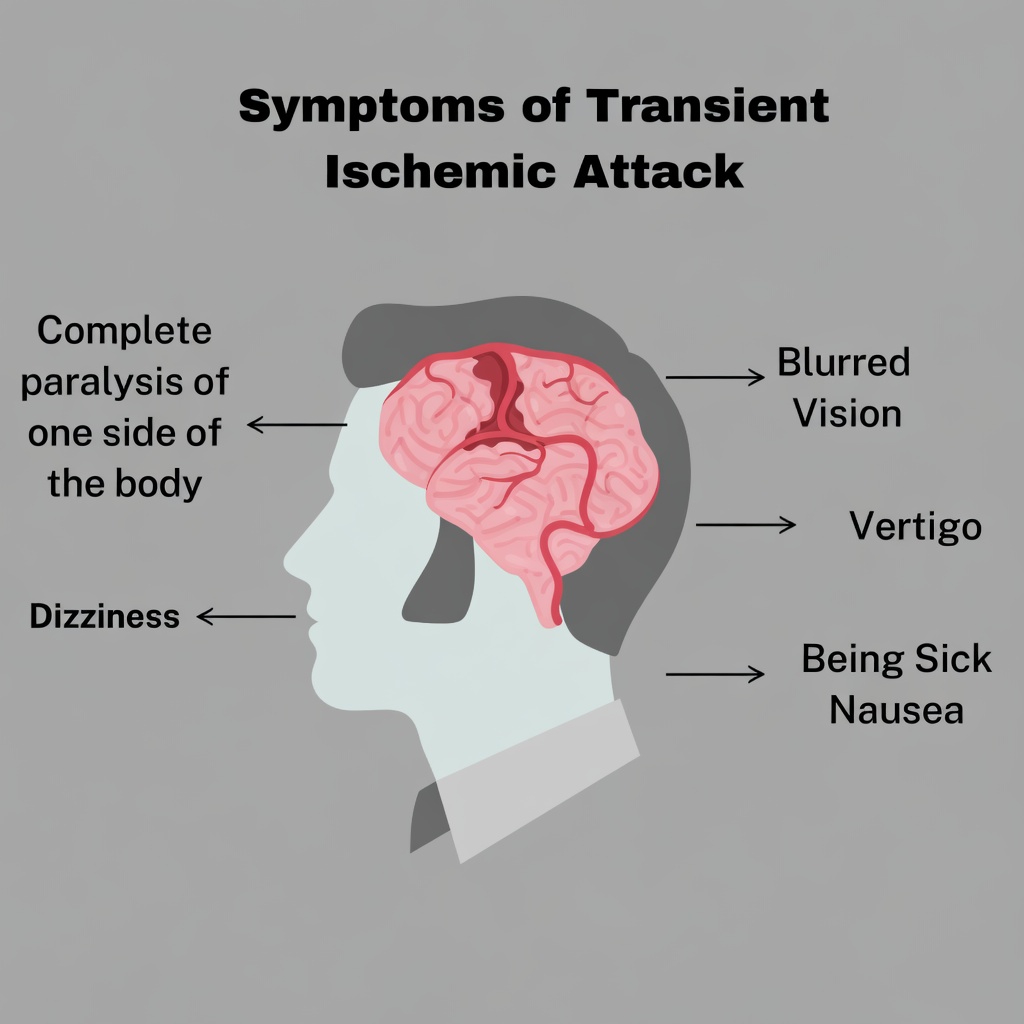
Blurred vision, double vision, or a temporary curtain-like loss of sight in one eye can signal reduced blood flow. This one-eye vision loss is sometimes called amaurosis fugax and may be related to carotid artery disease.
4. Sudden dizziness, vertigo, or poor balance
If the room seems to spin or walking suddenly becomes unsteady, it may be more than an inner ear issue. Sudden balance problems can be linked to a TIA.
5. Abrupt confusion or difficulty focusing
A brief mental fog, sudden disorientation, or trouble completing simple tasks may be a sign that part of the brain is not getting enough blood flow. This is different from the gradual memory decline often associated with aging.
6. Severe fatigue that comes on instantly
An overwhelming wave of exhaustion that appears without warning and forces someone to sit or lie down right away should not be ignored, especially if it feels unusual.
7. Short memory lapses or sudden disorientation
Repeating the same question, losing track of time, or suddenly forgetting what is happening can sometimes be brushed off as a “senior moment,” but in some cases it may indicate a TIA.
8. Blank staring or brief unresponsiveness
A person may seem to zone out for a few moments, stare blankly, and then return to normal without remembering the episode.
9. Clumsiness or dropping objects on one side
Temporary weakness in one arm or a suddenly poor grip can lead to dropping items or feeling unusually awkward with one hand.
10. Several symptoms happening at once
This is one of the strongest warning patterns. For example, weakness combined with speech trouble and vision changes should be treated as a medical emergency immediately.
Any of these symptoms deserve urgent evaluation, even if they last only a few minutes.
Use the FAST Rule
A simple way to remember key stroke and TIA warning signs is the FAST acronym:
- F – Face drooping
- A – Arm weakness
- S – Speech difficulty
- T – Time to call emergency services
If you notice any of these signs, act right away.
What to Do If Symptoms Appear
Never wait to see whether the symptoms go away. If you or someone else shows signs of a TIA, take action immediately.
Important steps to follow
- Call emergency services right away
- Note the exact time symptoms began
- Do not drive yourself unless there is absolutely no alternative
- Seek emergency medical evaluation even if symptoms stop
At the hospital, doctors may perform:
- A neurological examination
- Brain imaging such as CT or MRI
- Blood tests
- Heart rhythm monitoring
- Ultrasound of the neck arteries if needed
Treatment may include medication to reduce clotting risk, improve blood pressure control, or lower cholesterol. Doctors may also recommend changes in diet, activity, and overall lifestyle to lower the risk of a future stroke.
Practical Actions You Can Take Today
Even before an emergency happens, there are useful steps you can take to stay prepared and reduce risk:
- Keep a simple record of unusual symptoms, including date, time, what happened, and how long it lasted
- Book a medical appointment to discuss any recent strange episodes
- Monitor your blood pressure regularly and share the numbers with your doctor
- Stay well hydrated
- Rise slowly from sitting or lying down if sudden position changes trigger dizziness
Early attention often leads to better outcomes and more effective prevention.
Why Fast Response Can Make a Big Difference
Real-life situations show how important immediate action can be. One person may notice sudden arm weakness and slurred speech while doing yard work, but ignore it because the symptoms disappear. A later exam might reveal serious narrowing in an artery that could have been treated sooner.
Another person may experience brief vision loss and call for help immediately. Quick testing can uncover the cause and lead to treatment that helps prevent a major stroke later on.
These examples show a simple truth: responding quickly can protect long-term health and independence.
Prevention Tips for Better Brain Health After 60
While aging cannot be stopped, many stroke-related risk factors can be managed. Supporting healthy circulation is one of the best ways to lower TIA risk.
Helpful prevention strategies
- Follow a Mediterranean-style diet with fish, nuts, olive oil, vegetables, fruits, and whole foods
- Stay active with walking, swimming, or light strength training
- Work toward a healthy body weight
- Manage stress through breathing exercises, relaxation, or meditation
- Prioritize good sleep
- Keep up with regular medical checkups
Consistent, everyday choices can provide meaningful protection over time.
Final Thoughts
Paying attention to small but sudden body changes can help you respond wisely instead of dismissing them as normal aging. A brief episode of weakness, speech trouble, or confusion may seem minor, but it could be an important warning from your body.
Learning to recognize the signs of a TIA can help preserve your independence, protect your brain health, and reduce the risk of a more serious stroke. Sharing this information with loved ones may also help someone else get care when it matters most.
Frequently Asked Questions
What is the difference between a TIA and a stroke?
A TIA causes temporary symptoms that fully resolve, while a stroke leads to lasting brain injury. Even though TIA symptoms go away, both conditions require immediate medical attention because a TIA can be an early warning of a future stroke.
How long do TIA symptoms usually last?
Most TIA symptoms last from a few minutes to about an hour, though some may continue for up to 24 hours. No matter how long they last, urgent medical evaluation is essential.
Can lifestyle changes really reduce TIA risk?
Yes. Managing blood pressure, controlling cholesterol, staying active, avoiding smoking, and maintaining a healthy diet can significantly reduce the risk of TIAs and other vascular events.
Medical Disclaimer
This article is intended for informational purposes only and should not replace professional medical advice, diagnosis, or treatment. Always consult a qualified healthcare provider about any symptoms or health concerns, and speak with a medical professional before making changes to your health routine.