
10 Early Warning Signs of Stroke That Can Appear Weeks in Advance
A brief spell of arm numbness, a short-lived but strange headache, or a sudden wave of dizziness that fades as quickly as it came—these moments are easy to blame on stress, lack of sleep, or aging. Yet in many cases, these subtle changes are not random. They may be your brain’s early alarm system for an upcoming stroke.
Stroke is still one of the leading causes of serious disability and death in the United States. What many people don’t realize is that a significant number of strokes are preceded by warning signs that can show up days, weeks, or even a month beforehand. Recognizing and acting on these clues can give you precious time to seek medical care and potentially prevent a life‑altering event.
Awareness and quick action can dramatically shift the outcome—sometimes making the difference between full recovery and permanent disability.
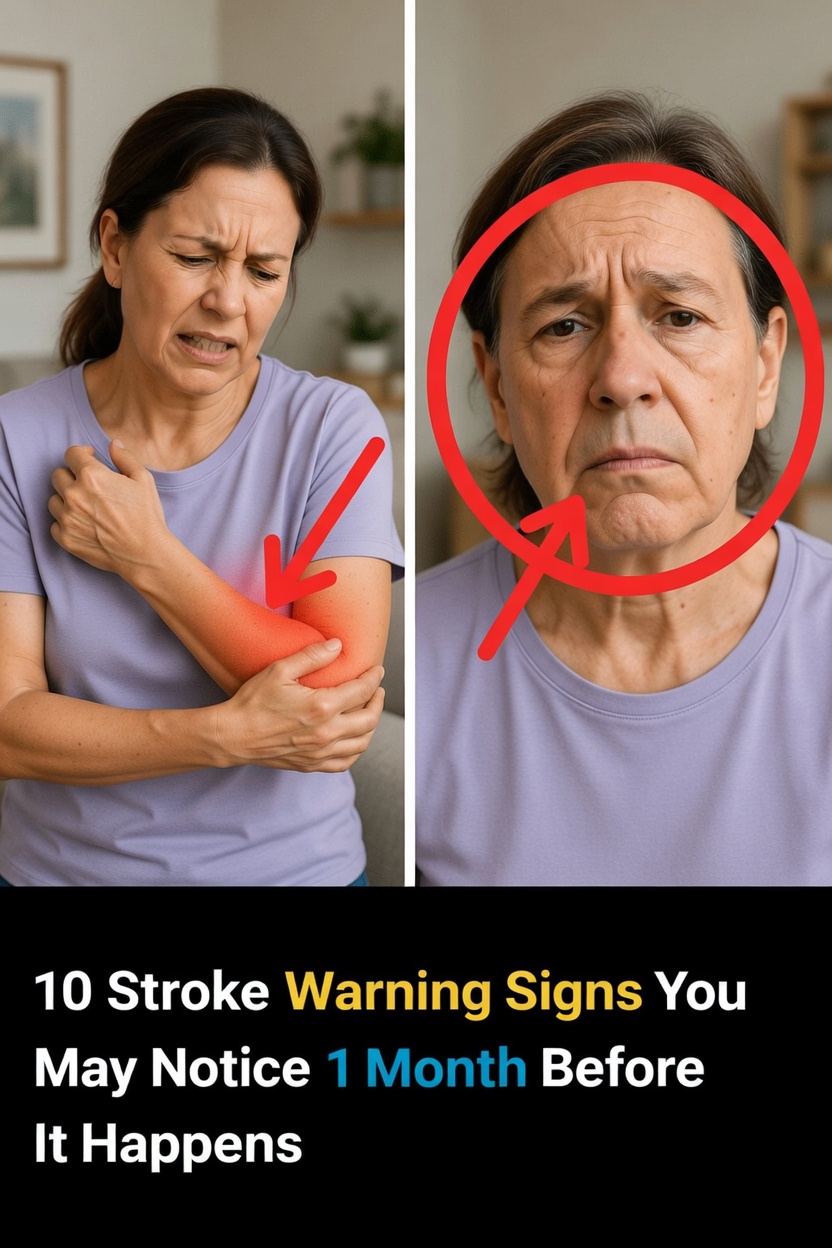
In this guide, you’ll learn about 10 common early warning signs that medical research and stroke specialists associate with a higher risk of stroke in the near future. Many of them are linked to transient ischemic attacks (TIAs), often referred to as “mini‑strokes,” which temporarily interrupt blood flow to the brain. While TIAs usually resolve on their own, they’re a serious warning that a major stroke could be coming if the underlying causes are not treated.
Why Early Warning Signs Matter: TIAs and Early Detection
A transient ischemic attack is essentially a brief, reversible stroke. Symptoms begin suddenly, then fade within minutes or hours, and typically leave no permanent damage. That temporary nature is what often causes people to ignore them—but that’s exactly what makes TIAs so dangerous.
Research shows that up to one in three people who experience a TIA will go on to have a full stroke within a year, and the risk is highest in the first few days and weeks. Organizations such as the American Heart Association and the Mayo Clinic consistently emphasize that TIAs are medical emergencies, not minor events.
These early neurological symptoms usually stem from reduced blood flow to part of the brain, often caused by:
- High blood pressure
- Atrial fibrillation (irregular heartbeat)
- Plaque buildup and narrowing of the arteries
When these underlying conditions are not treated, the risk of a major, permanent stroke rises sharply. The advantage of recognizing TIAs and other early warning signs is that they give you a valuable window to intervene—with medications, procedures, and lifestyle changes that can dramatically lower your risk.
10 Early Warning Signs You May Notice Weeks Before a Stroke
The following symptoms are among the most commonly reported early markers that can appear intermittently in the weeks leading up to a stroke. Because they come and go, people frequently minimize or overlook them—sometimes with devastating consequences.

1. Sudden Numbness or Weakness, Often on One Side
You may feel brief tingling, loss of sensation, or weakness in your face, arm, or leg, typically affecting only one side of the body. It might seem as if your arm “falls asleep,” you drop objects more easily, or part of your face feels heavy or odd. This is a classic symptom of a TIA and one of the most important red flags for stroke risk.
2. Confusion or Difficulty Understanding Others
Sudden trouble following a conversation, processing what someone is saying, or understanding simple instructions can be a warning sign. You may feel mentally “foggy,” slow, or confused, even though you are fully awake and aware of your surroundings.
3. Slurred or Distorted Speech
Words may come out jumbled, slurred, or hard to articulate. You might know exactly what you want to say but struggle to form the words clearly, or your sentences may not make sense. Even if this lasts only a few minutes, it strongly suggests an issue with blood flow to language areas of the brain.
4. Sudden Vision Changes
Vision problems can be subtle or dramatic, including:
- Blurred vision
- Double vision
- Sudden, temporary loss of sight in one eye (often described as a curtain coming down)
These disturbances may clear up quickly, but they are common warning signs and should never be ignored.
5. Dizziness, Balance Problems, or Poor Coordination
Feeling as if the room is spinning, becoming suddenly unsteady, or having trouble walking in a straight line can indicate a problem with blood flow to parts of the brain that control balance and coordination. While these symptoms sometimes resemble inner ear issues, they can also be stroke warnings.
6. Sudden, Severe Headache With No Clear Cause
An abrupt, intense headache that feels different from your usual headaches—often described as a “thunderclap” headache—may signal trouble. Some studies link unusual, sudden headaches to impending ischemic strokes or other serious brain events.
7. Unexplained Fatigue or General Weakness
Feeling extremely tired or weak without an obvious cause, especially if it is out of proportion to your normal energy level, can be an early, subtle sign. Some people report overwhelming fatigue in the days or weeks before a stroke.
8. Trouble Walking or Performing Fine Movements
You might stumble, veer to one side, or feel that your legs are not cooperating. Tasks that require fine motor skills—such as buttoning a shirt, writing, or picking up small objects—may suddenly become difficult or clumsy.
9. Nausea, Vomiting, or Brief Loss of Consciousness
Unexpected nausea, vomiting, or a feeling of faintness without an obvious trigger (like food poisoning or dehydration) can sometimes be tied to reduced blood flow in certain parts of the brain. Brief episodes of “blacking out” or losing awareness are particularly concerning.
10. Symptoms That Come and Go
A key feature of early stroke warnings, especially TIAs, is that symptoms can appear suddenly, last for a short period, and then disappear. They may return later, sometimes with the same pattern. Because the episodes resolve on their own, many people convince themselves it is “nothing serious.”
However, this fluctuating pattern is often exactly what makes TIAs so dangerous. The highest risk of a full-blown stroke is shortly after such episodes occur.
The F.A.S.T. Test: A Simple Way to Spot Stroke or TIA

The American Stroke Association uses the F.A.S.T. acronym to help people recognize stroke or TIA symptoms quickly and act immediately:
- Face: Ask the person to smile. Does one side of the face droop or look uneven?
- Arm: Ask them to raise both arms. Does one arm drift downward or feel weak?
- Speech: Ask them to repeat a simple phrase. Is their speech slurred, strange, or hard to understand?
- Time: If you notice any of these signs, call emergency services (such as 911 in the U.S.) right away—even if the symptoms go away.
When it comes to stroke, time is critical. The phrase “time is brain” is literal: with every passing minute, brain cells are lost. Fast medical treatment can greatly reduce the chance of long-term disability.
Major Risk Factors That Raise Stroke Likelihood
Some people are more likely than others to experience TIAs or strokes due to underlying health conditions and lifestyle factors. Key risk factors include:
- High blood pressure (the most important controllable risk factor)
- Diabetes
- High cholesterol
- Smoking or tobacco use
- Atrial fibrillation (irregular heartbeat)
- Obesity or a sedentary lifestyle
- Age over 55
- Family history of stroke or cardiovascular disease
Managing these risks through regular medical check‑ups, medications when prescribed, a heart‑healthy diet, regular physical activity, and quitting smoking can significantly reduce your chances of stroke.
What to Do if You Notice These Symptoms
If you or someone near you experiences any of the warning signs described above—even if they disappear within minutes—take them seriously:
- Seek emergency medical care immediately. Do not wait to see if symptoms recur.
- Describe the timing and nature of symptoms clearly. Note when they started, how long they lasted, and exactly what happened.
- Follow through with recommended tests. A healthcare provider may order tests such as an MRI or CT scan, ultrasound of the neck arteries, heart monitoring, or blood work to check for narrowed vessels, clots, or abnormal heart rhythms.
- Start treatment promptly. Depending on the findings, you may need blood thinners, blood pressure medications, cholesterol-lowering drugs, or procedures to improve blood flow. Lifestyle changes—such as improving diet, exercising more, and stopping smoking—are also crucial.
Early intervention can stop a minor warning event from turning into a major stroke.
Conclusion: Listen to Your Body’s Early Warnings
Strokes often do not happen “out of the blue.” For many people, the brain sends signals in the form of brief, intermittent symptoms days or weeks beforehand. By staying alert to these 10 warning signs and responding quickly, you can greatly improve your chances of preventing a disabling stroke or limiting its impact.
When it comes to brain health, knowledge and rapid action are powerful tools. Do not dismiss unusual neurological symptoms—your future self may depend on the choices you make today.
Frequently Asked Questions (FAQ)
1. Can a TIA lead to a full stroke?
Yes. A transient ischemic attack is often a strong warning that a major stroke could occur. Roughly one in three people who have a TIA will experience a stroke within the following year, and the danger is highest in the first few days and weeks after the TIA.
2. How long do TIA symptoms usually last?
Most TIA symptoms resolve within minutes and almost always within a few hours. By definition, they last less than 24 hours. If neurological symptoms persist beyond that point, it may no longer be a TIA but an actual stroke—this is a medical emergency, and you should seek immediate care.
3. Do women have different warning signs of stroke?
Women can experience the same classic stroke symptoms as men—such as facial drooping, arm weakness, and speech difficulties—but they may also have more subtle or atypical signs. These can include fatigue, nausea, shortness of breath, or general weakness alongside the traditional symptoms. Because these signs are easy to overlook, it is especially important for women to pay attention to sudden, unexplained changes in how they feel and seek medical evaluation promptly.