10 Signs You May Be Low in Vitamin D
Do you wake up feeling exhausted even after a full night of sleep? Maybe your hands stay dry and rough, your heels crack no matter how much cream you use, or nagging muscle and back pain keeps bothering you day after day. These common issues can slowly wear down your energy, mood, and motivation, making everyday life feel harder than it should.
Sometimes, these symptoms are more than just stress or getting older. They may be your body’s way of signaling a vitamin D deficiency, one of the most widespread nutrient shortfalls today.
In this article, you’ll discover 10 common signs of low vitamin D and practical ways to support healthy levels. Be sure to read to the end for one simple tip many people miss.
Why Vitamin D Matters
Vitamin D is widely known as the sunshine vitamin because your body makes it when your skin is exposed to sunlight. It is essential for calcium absorption, which helps maintain strong bones. It also supports muscle performance, immune defenses, and emotional well-being.
Low vitamin D levels are very common, especially among people who spend most of their time indoors or live in places with limited sunlight during much of the year.
The good news is that once you recognize the warning signs, you can take small steps to better support your health.
10 Common Signs of Low Vitamin D
Below are some of the most common clues that your body may need more vitamin D.
1. Ongoing Tiredness and Low Energy
Constant fatigue is one of the most frequently reported symptoms. Even if you sleep enough, you may still feel sluggish and unrefreshed. Research suggests that vitamin D plays a role in cellular energy processes, so low levels may leave you feeling depleted.
Many people brush this off as stress, poor sleep, or normal aging.
2. Bone Pain or Lower Back Discomfort
Vitamin D helps your body use calcium properly. When levels drop, bone aches and joint discomfort can become more noticeable. One common complaint is persistent pain in the lower back.
If simple movements feel less comfortable than they used to, this may be worth paying attention to.
3. Muscle Weakness, Soreness, or Cramps
Vitamin D is important for muscle strength and contraction. If your muscles feel weaker than usual, or you experience frequent cramps and unexplained aches, low vitamin D could be a contributing factor.
Tasks like climbing stairs or carrying shopping bags may start to feel more difficult.
4. Mood Changes or Feeling Low
Have you been feeling more anxious, irritable, or emotionally flat lately? Vitamin D is involved in brain health and influences serotonin, a chemical linked to mood balance. Some studies have found a connection between low vitamin D and mood-related symptoms.
This may help explain why many people feel more upbeat during sunnier months.
5. Getting Sick More Often
Vitamin D supports the immune system in defending the body against everyday viruses and bacteria. If you seem to catch every cold that goes around, it may be a sign that your levels are lower than they should be.
It can affect how effectively your body responds to common infections.
6. Slow Recovery From Cuts or Bruises
If minor cuts, scrapes, or bruises seem to heal more slowly than expected, vitamin D may be part of the picture. It plays a role in skin repair and immune function, both of which are important for healing.
7. Hair Thinning or Excessive Shedding
Seeing more hair in your brush or noticing visible thinning? Vitamin D contributes to healthy hair follicles, and low levels have been linked in research to certain forms of hair loss.
While hair loss can have many causes, this is one possible factor to consider.

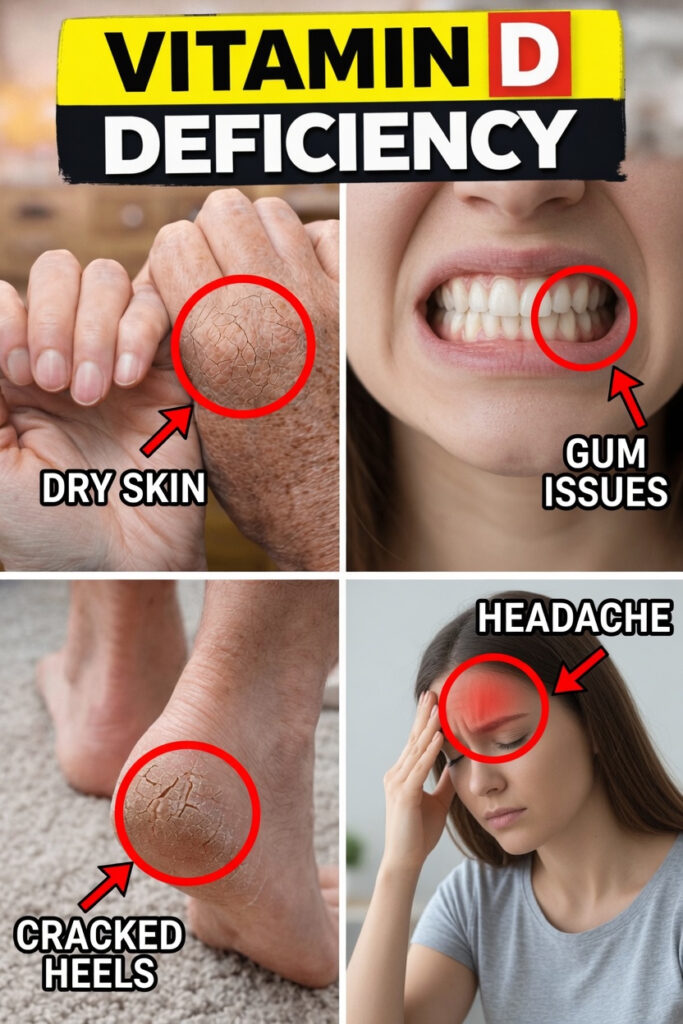
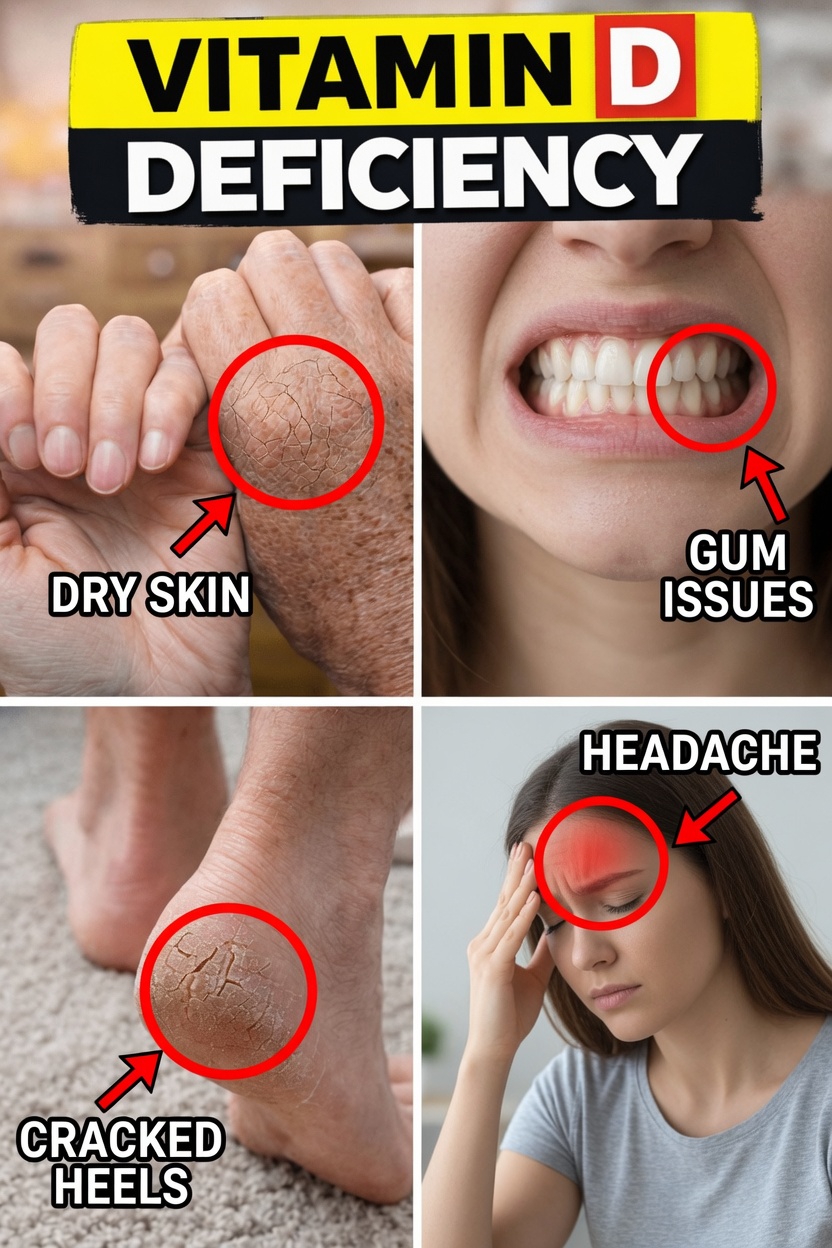
8. Dry, Cracked Skin on Hands and Heels
If your hands look unusually dry, wrinkled, or flaky, and your heels stay cracked despite using lotion, your skin barrier may need more support. In some people, low vitamin D may contribute to poor moisture retention and rough skin texture.
This is especially noticeable on the hands, feet, and other exposed areas.
9. Mouth Discomfort or Chapped Lips
Chapped lips, gum sensitivity, or general mouth discomfort may sometimes be associated with low vitamin D. The nutrient supports overall oral health, including tissues involved in gum and tooth comfort.
10. Brain Fog or Frequent Headaches
Trouble focusing, feeling mentally foggy, or dealing with recurring headaches can also be subtle warning signs. Because vitamin D is involved in many body systems, low levels may affect concentration and overall mental clarity.
What makes this tricky is that these symptoms often develop slowly, so they are easy to overlook.
Who Is More Likely to Have Low Vitamin D?
Some people are at greater risk of deficiency due to lifestyle, age, or health factors. Common risk factors include:
- Spending very little time outdoors
- Living in northern regions with limited sunlight
- Using sunscreen consistently, which is important for skin protection
- Having darker skin, which naturally produces less vitamin D from sun exposure
- Older age
- Carrying excess body weight
- Certain medical conditions or medications
If one or more of these apply to you, it is especially important to pay attention to possible symptoms.
How to Support Healthy Vitamin D Levels
The encouraging part is that there are practical ways to help maintain healthy vitamin D levels. If you have symptoms or concerns, talk with a healthcare professional before making major changes.
Here is a simple plan you can start with:
-
Get safe sun exposure
- Spend about 10 to 30 minutes in sunlight several times a week.
- Expose areas like your arms and legs when possible.
- Avoid staying out long enough to burn.
-
Eat more vitamin D-rich foods
- Fatty fish such as salmon and mackerel
- Egg yolks
- Fortified milk, cereals, and orange juice
- Mushrooms that have been exposed to UV light
-
Ask about supplementation
- A high-quality vitamin D supplement may help if your doctor recommends it after a blood test.
-
Stay physically active
- Weight-bearing exercise can help support bone strength and overall health.
One often-overlooked strategy is combining safe sun exposure with a nutritious diet. Together, they may have a greater impact than either one alone.

Final Thoughts
These 10 signs may be your body’s way of asking for more support when it comes to vitamin D. Understanding the symptoms and taking steady, practical steps—such as getting safe sunlight and eating vitamin D-rich foods—can help you feel stronger, more comfortable, and more energized.
If several of these signs sound familiar, consider speaking with a healthcare provider about getting your vitamin D levels tested.
Frequently Asked Questions
How can I tell if I have low vitamin D?
The most reliable way to know is through a blood test ordered by your doctor. Symptoms can be vague or overlap with other issues, so testing is the best option.
Which foods naturally help raise vitamin D?
Good sources include:
- Fatty fish
- Egg yolks
- Fortified dairy products
- Fortified cereals
- UV-exposed mushrooms
How much sunlight is usually needed for vitamin D?
For many people, 10 to 30 minutes of midday sun exposure a few times a week may be enough. The exact amount depends on skin tone, location, season, and time spent outdoors. Always protect your skin and avoid sunburn.