Amlodipine Side Effects: What to Expect and How to Manage Them
Amlodipine is commonly prescribed to treat high blood pressure and certain forms of chest pain. While it is effective for many people, it can also cause side effects that disrupt everyday comfort. Swollen ankles, ongoing headaches, or sudden dizziness may make routine tasks feel more difficult and leave you questioning whether treatment is worth it.
According to trusted medical sources, these reactions are usually mild and often improve as the body gets used to the medication. Even so, many people want practical ways to handle these symptoms while continuing treatment with confidence.
The good news is that knowing what may happen—and how to respond—can make day-to-day life much easier. This guide reviews the most frequently reported amlodipine side effects, explains why they happen, and shares expert-backed strategies that may help reduce discomfort. It also includes one simple but often ignored habit that can improve conversations with your doctor and help you feel more in control.
What Is Amlodipine and Why Can It Cause Side Effects?
Amlodipine is part of a group of medicines known as calcium channel blockers. It lowers blood pressure by relaxing and widening blood vessels, which improves circulation and reduces strain on the heart.
Because of this effect on blood vessels, some people notice changes such as fluid buildup or shifts in circulation. These changes can lead to symptoms that feel surprising, especially when first starting the medication.
Medical references such as the NHS and Mayo Clinic note that side effects may be more likely at higher doses. Some reactions, including swelling, are also reported more often in women. In many cases, these effects do not mean the medication must be stopped. A dose adjustment or medical review may be enough to help.
Common Amlodipine Side Effects
The following side effects are among the most often reported by people taking amlodipine:
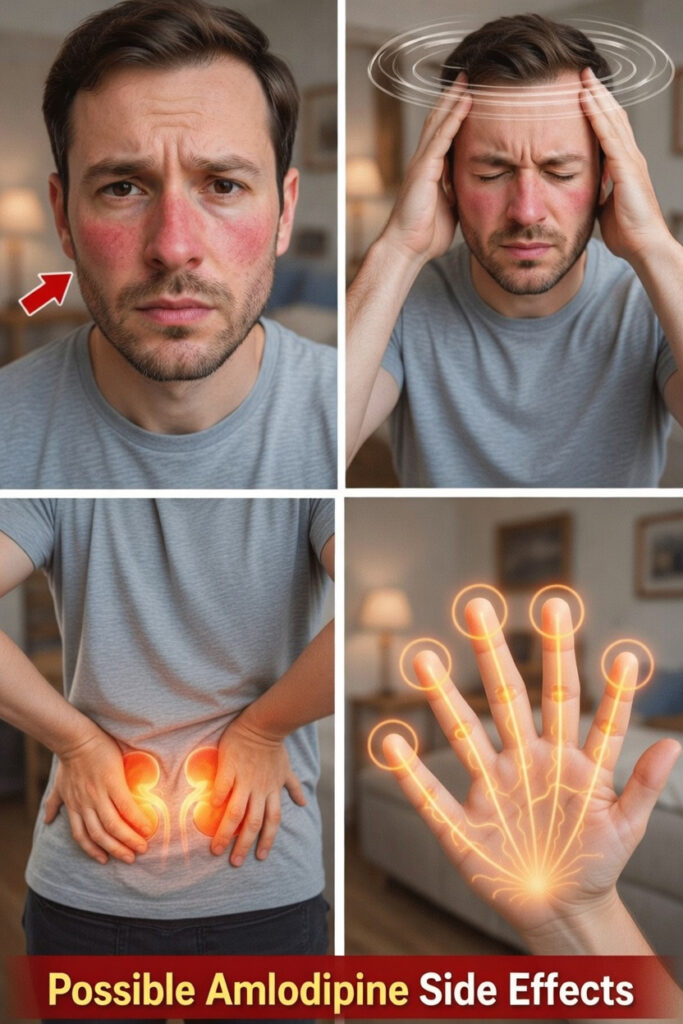
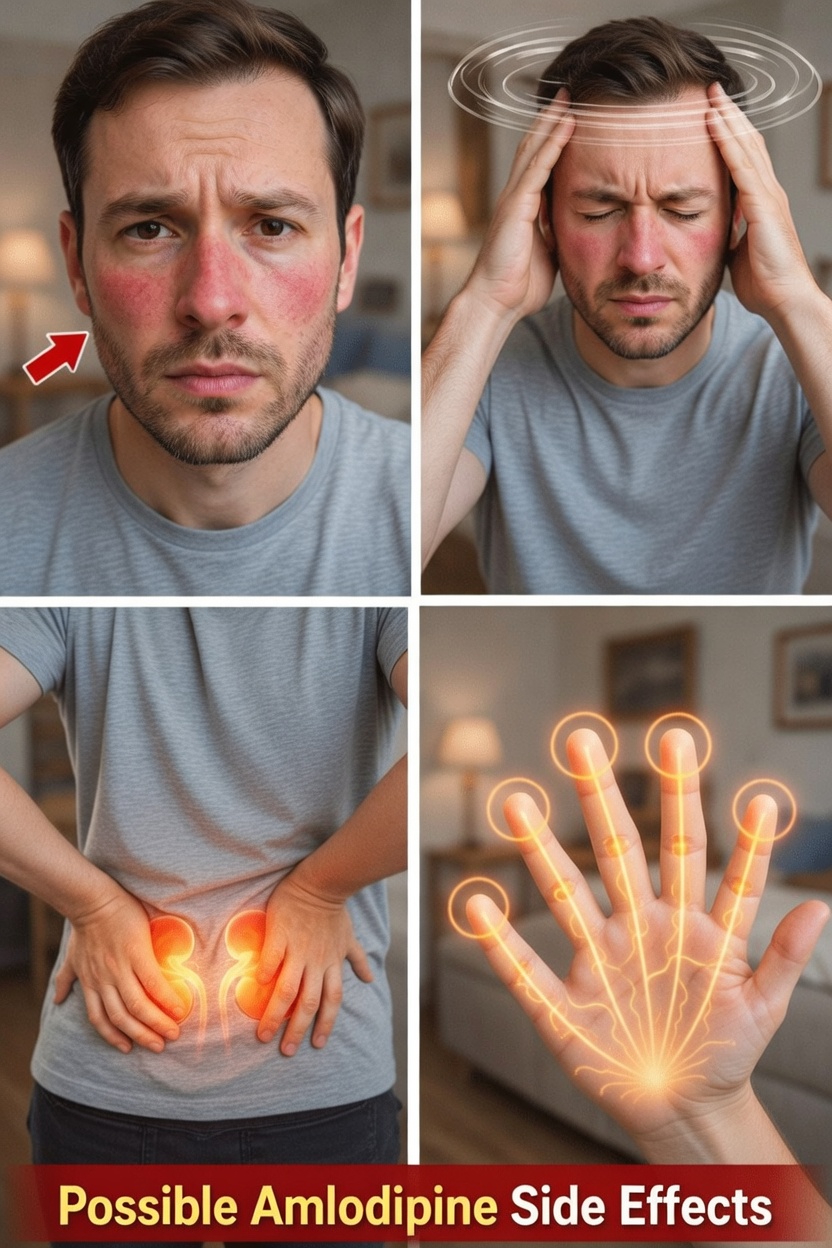
- Swelling in the ankles, feet, or hands (edema): This is one of the most common issues and may affect around 10% to 15% of users in some studies, especially at higher doses. It happens because widened blood vessels can allow fluid to collect in the lower parts of the body.
- Dizziness or lightheadedness: This may happen when standing up too quickly due to a drop in blood pressure.
- Flushing or a warm feeling in the face: Some people notice redness or heat in the cheeks or neck as blood vessels expand.
- Headaches: These often appear early in treatment and may ease over time.
- Fatigue: Feeling unusually tired is fairly common while the body adjusts.
- Palpitations: Some users notice a racing, pounding, or irregular heartbeat sensation.
- Nausea or mild stomach upset: Digestive discomfort can come and go.
- Muscle cramps or weakness: These are less common but still reported by some people.
In some cases, more than one side effect appears at the same time, which can make the first weeks of treatment feel more challenging.

Less Common Side Effects to Be Aware Of
Some side effects occur less often but are still important to recognize:
- Sleepiness or drowsiness
- Abdominal pain
- Tremors
- Muscle stiffness
- Fast heartbeat
- Irregular heartbeat
Severe symptoms are rare, but they should never be ignored. Seek immediate medical attention if you develop:
- Severe chest pain
- Fainting
- Trouble breathing
If something feels unusual or concerning, contact your healthcare provider rather than waiting for it to pass.
Simple Ways to Manage Amlodipine Side Effects
Many people can reduce discomfort with a few practical lifestyle changes. These steps are often easy to add to a daily routine.
1. Reduce Swelling in the Legs or Ankles
If you notice fluid retention, these strategies may help:
- Raise your feet above heart level for 15 to 20 minutes several times a day.
- Ask your doctor about compression socks, which may help limit fluid buildup.
- Cut back on salt, since excess sodium can make the body retain more fluid.
2. Prevent or Ease Dizziness
To lower the chance of lightheadedness:
- Stand up slowly after sitting or lying down.
- Drink enough water throughout the day to stay hydrated.
- Avoid sudden movements, especially in the morning.
3. Manage Flushing and Headaches
If facial warmth or headaches are bothering you, try:
- Keeping your environment cool
- Avoiding hot showers
- Limiting spicy foods if they make symptoms worse
- Using over-the-counter pain relief such as acetaminophen, but only after checking with your doctor or pharmacist
4. Improve Energy Levels
To deal with fatigue:
- Eat balanced meals that include protein and complex carbohydrates
- Do light exercise, such as walking, to support circulation without overexertion
- Maintain a regular daily routine to help the body adjust more smoothly
Research suggests these habits can make the adjustment period easier for many people.
Quick Comparison: Before and After Simple Changes
| Issue | Before Helpful Changes | After Simple Adjustments |
|---|---|---|
| Ankle swelling | Feet may feel heavy for much of the day | Often less noticeable with leg elevation and lower salt intake |
| Dizziness | Lightheadedness when standing | Often reduced by moving slowly and staying hydrated |
| Flushing | Sudden facial redness or warmth | May become milder in a cooler setting |
| Fatigue | Ongoing tiredness | Energy may improve with better meals and light activity |

When to Call Your Doctor
You should speak with your healthcare provider if side effects:
- Do not improve
- Become worse
- Interfere with normal daily activities
- Feel unusual or alarming
Your doctor may decide to:
- Lower the dose
- Change your medication
- Check for other possible causes
- Monitor your response more closely
Regular follow-up appointments are important to make sure amlodipine is working safely and effectively for you.
One Often-Missed Strategy That Can Help
A very useful but often overlooked step is keeping a symptom journal.
Write down:
- When a side effect happens
- What you ate that day
- Your activity level
- Any other symptoms you noticed
This simple record can reveal patterns that are easy to miss. It can also make discussions with your doctor much more productive by replacing guesswork with clear details.
FAQ
How long do amlodipine side effects usually last?
Many common side effects, such as headaches or swelling, improve within a few weeks as your body adjusts to the medication. If symptoms continue beyond that point, contact your doctor.
Can lifestyle changes help reduce amlodipine side effects?
Yes. Reducing salt, staying active, raising your legs, and moving more carefully can help many people manage swelling, dizziness, and fatigue.
Is it safe to stop taking amlodipine if side effects are bothering me?
No. Do not stop amlodipine suddenly unless your doctor tells you to. Stopping without medical guidance can affect blood pressure control. A healthcare provider can recommend a safer plan if changes are needed.
Important Note
This article is for educational purposes only and does not replace professional medical advice. Always speak with your healthcare provider before changing your medication or responding to new symptoms. They can give guidance based on your personal medical history and overall health.