
Foamy Urine, Proteinuria, and Kidney-Friendly Eating
Noticing foamy urine or receiving a diagnosis of proteinuria can be unsettling. Both may indicate that your kidneys are under extra strain, often related to high blood pressure, diabetes, or chronic inflammation. It’s natural to worry about long-term kidney health, energy levels, and overall wellbeing.
The encouraging takeaway: while food alone cannot “fix” proteinuria, a pattern of eating rich in antioxidants, healthy fats, and anti-inflammatory compounds can support kidney health as part of a comprehensive care plan.
What many people miss is that certain nutrient-dense foods are repeatedly highlighted in research for their potential to ease kidney stress—without promising unrealistic results.

Why Emphasize Nutrition for Kidney Support?
Your kidneys constantly filter waste, balance fluids and electrolytes, and help regulate blood pressure. When protein begins to leak into the urine, it’s a sign that these filtration units (glomeruli) may be under pressure.
Evidence from dietary patterns such as the Mediterranean diet and the DASH (Dietary Approaches to Stop Hypertension) diet suggests that:
- Prioritizing anti-inflammatory foods
- Eating plenty of antioxidant-rich plant foods
- Managing sodium and unhealthy fats
may help improve factors that influence kidney strain, including inflammation and blood pressure. These approaches do not cure kidney disease, but they can complement medical treatment and monitoring.
The real power lies in consistency—small, enjoyable adjustments you can sustain over time.
Top 10 Kidney-Supportive Foods to Try
Below are 10 whole foods that nutritional research frequently associates with anti-inflammatory and kidney-supportive benefits. Always consider your individual medical and dietary needs before making changes.
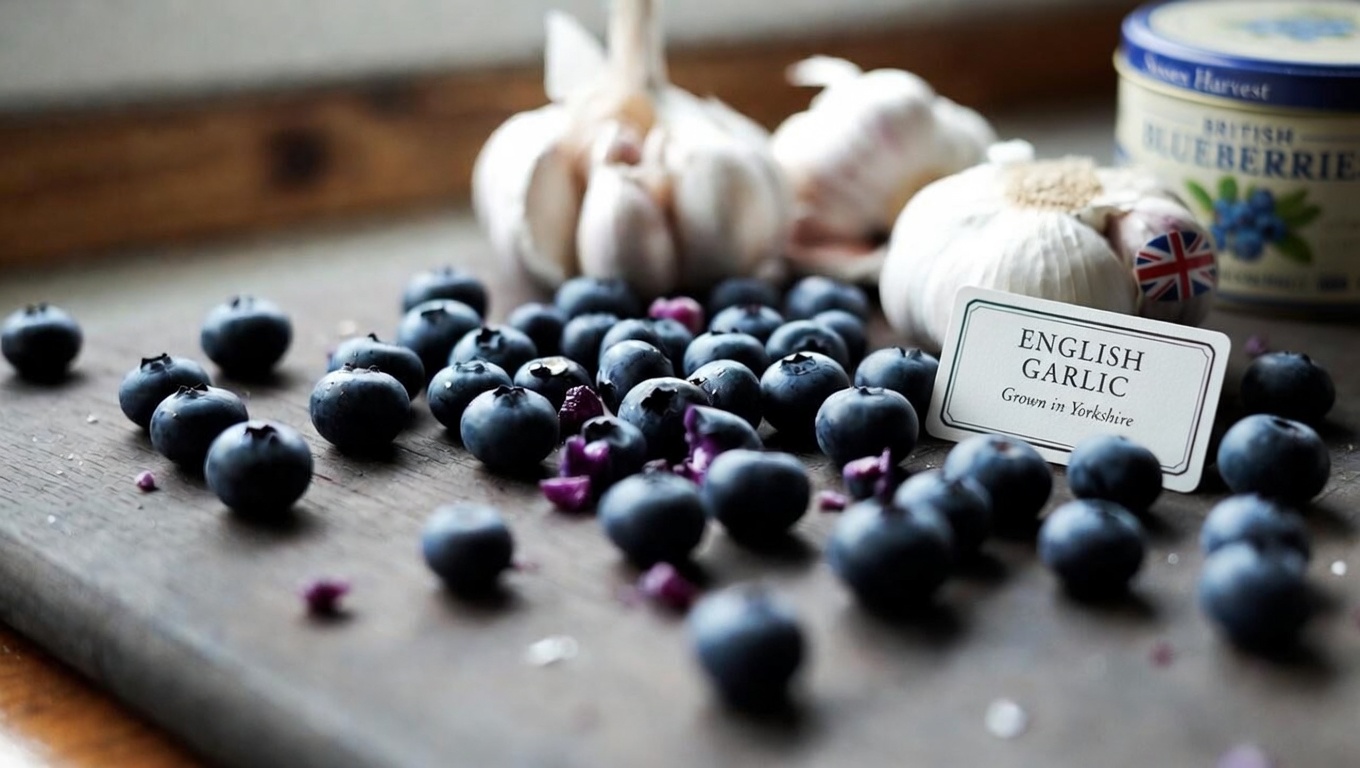
1. Berries (Blueberries, Strawberries, Cranberries)
Berries are naturally high in antioxidants, particularly anthocyanins, which help counter oxidative stress and inflammation—both relevant to kidney protection. Studies link regular berry intake with lower inflammatory markers.
- Add a small handful of fresh or frozen berries to oatmeal, yogurt, or smoothies.
- Many berries are relatively low in potassium, making them suitable for a wide range of kidney-friendly plans (check with your dietitian if you have strict limits).
2. Fatty Fish (Salmon, Mackerel)
Fatty fish are rich in omega-3 fatty acids, which have well-documented anti-inflammatory properties. Research suggests omega-3s may help reduce proteinuria and support blood vessel health in some kidney conditions.
- Aim for about 2–3 servings per week.
- Choose baked, broiled, or grilled preparations to keep meals lighter and kidney-conscious.
3. Olive Oil
Extra virgin olive oil provides heart-healthy monounsaturated fats and polyphenols that combat inflammation. As a core component of many heart-protective diets, it may indirectly support kidney function through better blood pressure and vascular health.
- Use as a base for salad dressings or drizzle over cooked vegetables.
- Swap it for butter or creamy sauces when possible.
4. Garlic
Garlic offers more than flavor. Its sulfur-containing compounds have been linked to healthier blood pressure and modest anti-inflammatory effects—both important for kidney protection.
- Mince or crush fresh garlic into soups, stews, marinades, and stir-fries.
- Using more garlic and herbs can help you cut back on salt without losing taste.
5. Leafy Greens (Such as Kale or Cabbage, in Controlled Portions)
Leafy greens supply vitamins, fiber, and plant antioxidants that support overall metabolic and cardiovascular health. Options like cabbage are lower in oxalates and can fit many kidney-conscious eating patterns.
- Lightly steam, sauté, or add to soups and stir-fries.
- If you need to limit potassium, work with your healthcare team to determine appropriate portion sizes.
6. Nuts (Especially Walnuts, in Moderation)
Walnuts are a plant-based source of omega-3 fats and other beneficial compounds that help manage inflammation. They also provide protein and fiber.
- Enjoy a small handful as a snack or sprinkle chopped walnuts over salads and oatmeal.
- Because nuts are high in calories and certain minerals, portion control is key—particularly for people with advanced kidney disease.
7. Turmeric
Turmeric contains curcumin, a bioactive compound with notable anti-inflammatory potential shown in lab and some human studies. When combined with black pepper (which contains piperine), curcumin absorption improves.
- Add turmeric to curries, soups, roasted vegetables, or “golden milk” drinks.
- A small pinch goes a long way in both color and flavor.
8. Apples
Apples provide pectin, a soluble fiber that supports healthy cholesterol levels and digestion, along with antioxidants that help counter oxidative stress.
- Eat them whole or sliced, ideally with the skin on for extra fiber and nutrients.
- Apples make a portable, naturally sweet snack that can replace ultra-processed treats.
9. Cauliflower
Cauliflower is a versatile vegetable rich in vitamin C, fiber, and plant compounds with anti-inflammatory properties. It’s often used as a lower-potassium, lower-phosphorus substitute for starchy sides.
- Roast cauliflower florets, mash it as an alternative to potatoes, or pulse into “rice.”
- Its mild flavor pairs well with herbs, garlic, and olive oil.
10. Red Bell Peppers
Red bell peppers are relatively low in potassium yet high in vitamins A and C, plus various antioxidants that support immune and vascular health.
- Slice them raw into salads or snack plates.
- Stuff and bake them with a kidney-conscious filling for a colorful main or side.
Quick Comparison: Kidney-Friendly Food Highlights
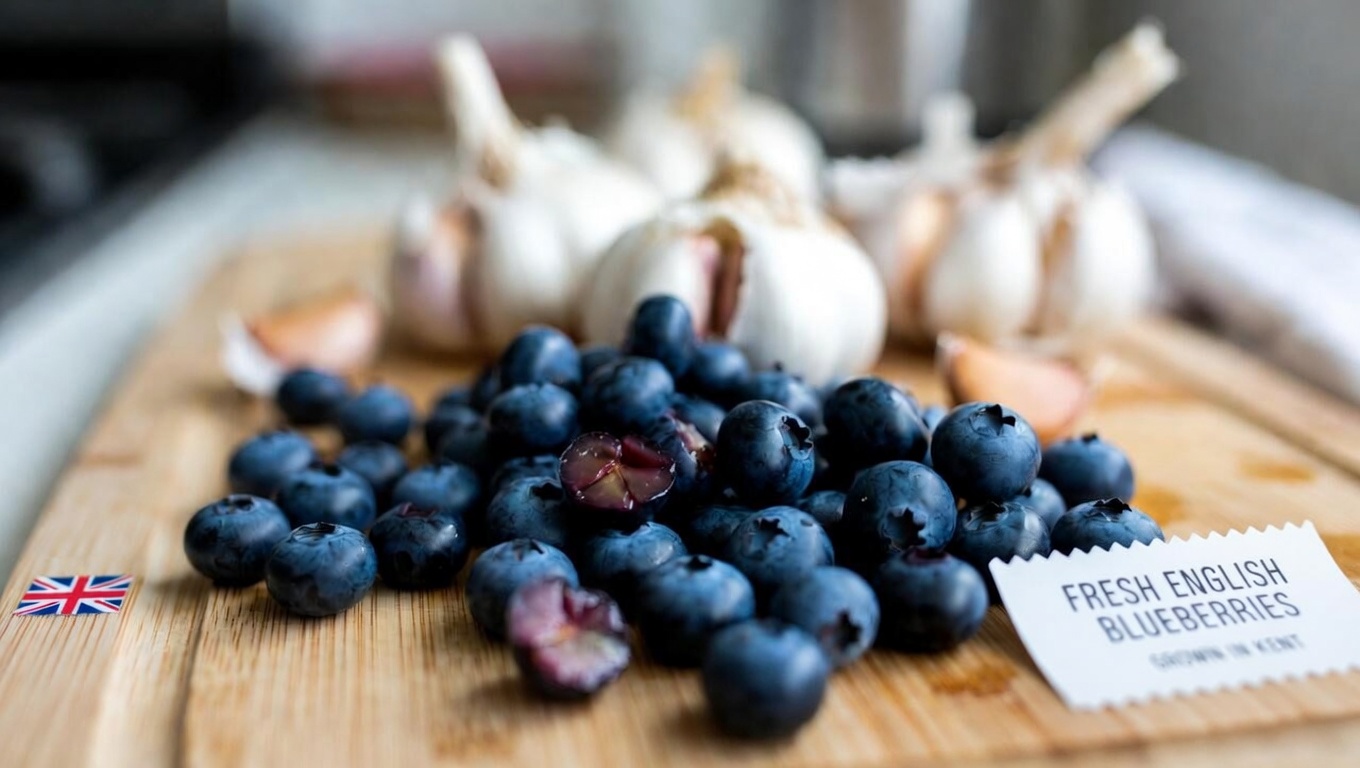
| Food | Main Supportive Compounds | Easy Way to Enjoy | Flavor / Texture |
|---|---|---|---|
| Berries | Anthocyanin antioxidants | Add fresh/frozen to oatmeal or smoothies | Juicy, sweet-tart |
| Fatty Fish | Omega-3 fatty acids | Grill or bake with herbs | Rich, tender, flaky |
| Olive Oil | Polyphenols, monounsaturated fats | Use as salad dressing or light sauté oil | Smooth, mildly fruity |
| Garlic | Sulfur compounds | Mince into sauces, soups, and stir-fries | Pungent, aromatic |
| Leafy Greens | Vitamins, minerals, fiber | Lightly steamed or sautéed | Fresh, earthy |
| Walnuts | Plant omega-3s, healthy fats | Small handful as a snack | Crunchy, nutty |
| Turmeric | Curcumin | Stir into teas, curries, or spice rubs | Warm, earthy, golden |
| Apples | Pectin fiber, antioxidants | Eat whole or sliced, skin on | Crisp, juicy |
| Cauliflower | Vitamin C, fiber, phytonutrients | Roast, mash, or “rice” it | Mild, adaptable |
| Red Bell Peppers | Vitamins A & C, antioxidants | Eat raw strips or stuffed and baked | Sweet, crisp |
Practical Tips to Begin a Kidney-Supportive Eating Pattern
- Start small: Choose 2–3 foods from the list to add this week—for example, berries at breakfast and olive oil on lunchtime salads.
- Season boldly, not salty: Use garlic, turmeric, herbs, and spices to enhance flavor while keeping sodium in check.
- Mind your portions: If you have kidney disease, consult a registered dietitian about individualized potassium, phosphorus, and protein targets.
- Hydrate thoughtfully: Steady intake of plain water (as allowed by your care team) helps your kidneys clear waste.
- Notice changes: Jot down how your energy, digestion, or comfort feel after a week or two of consistent changes.
These manageable steps can build momentum without feeling overwhelming.
Common Questions (FAQ)
Can these foods replace my doctor’s recommendations?
No. Food is a supportive tool, not a substitute for medical care. Always follow your healthcare provider’s advice about medications, testing, and follow-up.
How much should I eat each day?
There’s no single “right” portion for everyone. As a general example, many plans include:
- About ½ cup of berries
- Around 3–4 oz (85–115 g) of cooked fish per serving
Your ideal portions depend on your kidney function, lab values, and overall health. A dietitian can personalize this for you.
Are these foods safe if I have advanced kidney disease?
Not always. Some options, such as nuts or larger amounts of leafy greens, may need to be limited because of potassium, phosphorus, or protein content. Before making changes, get tailored guidance from your nephrologist and renal dietitian.
Final Thoughts
Bringing more antioxidant-rich, anti-inflammatory foods into your routine is a practical way to support kidney health and potentially ease some of the factors that drive proteinuria and kidney stress. When combined with medical management, appropriate movement, blood pressure and blood sugar control, and stress reduction, these choices can help you move toward better overall balance.
This content is for educational purposes only and is not a substitute for professional medical advice, diagnosis, or treatment. Always speak with your healthcare provider before changing your diet, especially if you have kidney concerns or existing kidney disease.