
Everyday Foods That May Help Lower Your Cancer Risk
Cancer affects an enormous number of people worldwide. Current estimates suggest that roughly 1 in 2 men and 1 in 3 women will receive a cancer diagnosis at some point in life. While no single ingredient can “prevent” cancer, a growing body of research shows that what we eat every day can influence overall health and may help reduce risk.
A nutrient-rich diet can:
- Support a healthy body weight
- Calm chronic inflammation
- Supply antioxidants that protect cells from damage
The good news: many of the most protective foods are everyday staples—simple, accessible, and already in many kitchens. This guide highlights evidence-informed foods and practical tips for using them, plus one powerful mindset shift at the end that helps you turn these choices into lasting habits.

Why Diet Plays a Role in Cancer Risk Reduction
Large reviews from organizations such as the American Cancer Society (ACS), the World Cancer Research Fund (WCRF), and MD Anderson Cancer Center consistently point to the same pattern:
Eating styles centered on whole, minimally processed plant foods are associated with better health outcomes and a lower risk of several cancers.
These dietary patterns typically:
- Emphasize vegetables, fruits, whole grains, legumes, nuts, and seeds
- Limit processed meats, sugary drinks, and ultra-processed snacks
- Help regulate weight, which matters because excess body fat is a risk factor for many cancer types
- Provide compounds that reduce oxidative stress and support normal cell function
Below are specific foods that frequently appear in the research on cancer risk and overall health.
1. Turmeric: A Golden Spice Backed by Research
Turmeric contains curcumin, a bioactive compound that has been widely studied for its potential effects on inflammation and cell signaling pathways. Laboratory and early human studies suggest curcumin may influence processes involved in cancer development when it is part of a nutrient-dense diet.
How to use it effectively:
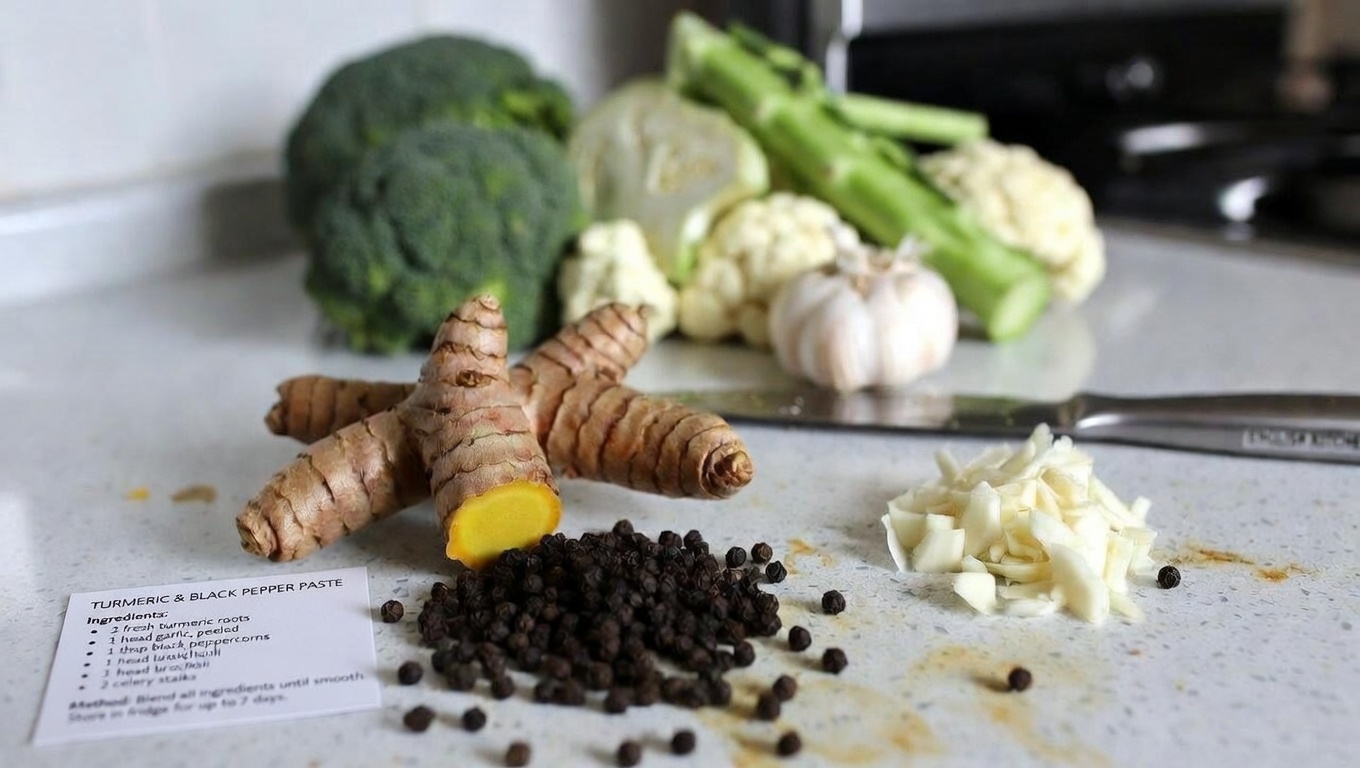
- Combine turmeric with black pepper: piperine in pepper can significantly enhance curcumin absorption.
- Stir about ½ teaspoon into warm water, soups, stews, or rice dishes.
- Focus on small amounts used regularly rather than large, occasional doses.
2. Garlic: Simple Prep, Powerful Compounds
When garlic is crushed or chopped, it forms allicin, a sulfur-containing compound that has been studied for its potential immune-supporting and DNA-protective properties in observational research.
Some population studies have linked frequent garlic consumption (around 1–2 cloves most days) with lower risk of certain digestive tract cancers.
Tips to maximize benefits:
- Chop or crush garlic, then let it sit for about 10 minutes before cooking to allow allicin to fully form.
- Use raw garlic in salad dressings, dips, and spreads when possible.
3. Berries: Small Fruits, Big Antioxidant Punch
Blueberries, strawberries, raspberries, and other berries are rich in polyphenols, anthocyanins, and ellagic acid—compounds that help defend cells against oxidative stress in population studies.
Observational data associates higher berry intake (a few servings per week) with supportive effects for breast health and overall antioxidant status.
Easy ways to enjoy berries:
- Add fresh or frozen berries to smoothies, oatmeal, yogurt, or snacks.
- Keep frozen berries on hand—they retain most of their beneficial compounds and are often more affordable.
4. Cruciferous Vegetables: Broccoli, Kale, and Their Relatives
Broccoli, Brussels sprouts, cauliflower, kale, and cabbage belong to the cruciferous vegetable family. They provide glucosinolates, which break down into biologically active compounds during digestion that may support the body’s natural detoxification systems.
Cohort studies have linked frequent intake of cruciferous vegetables (several times per week) with lower risks of prostate and colorectal cancers.
How to prepare them:
- Lightly steam or roast to preserve nutrients and flavor.
- Combine with garlic, herbs, or olive oil for a tasty side dish.

5. Leafy Greens: Everyday Nutrient Powerhouses
Dark leafy greens such as spinach, arugula, kale, and romaine lettuce are packed with folate, chlorophyll, and nitrates that support DNA repair and reduce oxidative damage.
Analyses suggest that people who regularly eat leafy greens may experience notable reductions in colorectal cancer risk compared with those who rarely eat them.
Simple ways to eat more greens:
- Add a handful to salads, grain bowls, and sandwiches.
- Blend into smoothies or lightly sauté with garlic and olive oil.
6. Tomatoes: More Potent When Cooked
Tomatoes are a major source of lycopene, a carotenoid that acts as an antioxidant. Heating tomatoes—such as in sauces or soups—makes lycopene more bioavailable, meaning your body can absorb it more easily.
Research has observed that men who frequently consume tomato-based products (especially cooked) tend to have more favorable markers of prostate health.
Practical ideas:
- Include tomato sauce in pasta dishes, stews, or casseroles.
- Roast tomatoes with herbs and olive oil as a side or topping.
7. Green Tea: A Calming Daily Ritual
Green tea contains EGCG (epigallocatechin gallate), one of the most studied plant compounds. Evidence suggests that EGCG may affect cell growth, signaling, and other pathways involved in disease processes.
Some studies have associated drinking around 3–5 cups of green tea per day with potential benefits for recurrence risk in certain cancers, particularly in specific populations.
How to drink it:
- Brew green tea fresh, avoiding very high temperatures to prevent bitterness.
- Enjoy it plain or with a splash of lemon; limit added sugar.
8. Beans and Lentils: Fiber and Protein for Gut Health
Beans, lentils, chickpeas, and other legumes are rich in soluble fiber, resistant starch, and plant-based protein. These nutrients feed beneficial gut bacteria, which produce short-chain fatty acids like butyrate that support colon cell health.
Regular intake—about ½ cup daily—can help balance the microbiome, promote healthy digestion, and support weight management, all of which are important for reducing cancer risk.
Ways to fit them in:
- Add beans to soups, stews, and chilis.
- Use lentils or beans in salads, tacos, or as a meat replacement in familiar recipes.
9. Nuts and Seeds: Focus on Flaxseeds and Walnuts
Nuts and seeds provide healthy fats, fiber, and protective nutrients. Flaxseeds and walnuts stand out for their omega-3 fatty acids, lignans, and vitamin E. Lignans, in particular, have been studied for their role in modulating hormone activity in hormone-related cancers.
Studies have found that women who regularly consume flaxseeds or walnuts (around 30 g a few times per week) may experience protective associations in hormone-related cancer outcomes.
How to use them:
- Grind flaxseeds before eating to improve absorption, then sprinkle over yogurt, oatmeal, or salads.
- Snack on a small handful of walnuts or add them to breakfast bowls and baked dishes.
10. Citrus Fruits: Zest for Added Protection
Citrus fruits such as lemons, oranges, and grapefruits provide vitamin C plus compounds like d-limonene and hesperidin found in the peel and pulp. Some research links these substances to anti-inflammatory effects and lower risks of certain digestive and oral cancers.
Easy citrus upgrades:
- Use organic citrus zest in teas, marinades, or salad dressings.
- Eat the whole fruit rather than just drinking the juice to get the fiber as well.
Quick, Actionable Tips to Start Today
Use these simple strategies to get more out of your “anti-cancer” foods:
- Boost turmeric absorption: Always pair turmeric with a pinch of black pepper.
- Maximize garlic’s benefits: Crush or chop, then let it rest 10 minutes before cooking.
- Cook tomatoes smartly: Heat tomatoes to increase lycopene availability.
- Rotate plant foods: Vary your berries, leafy greens, and cruciferous veggies each week.
- Use the half-plate rule: Aim for at least half your plate to be vegetables and fruits at most meals.
Foods to Limit for Better Balance
Alongside adding protective foods, research consistently recommends cutting back on items that may raise cancer risk:
-
Refined sugars and ultra-processed foods
- Often linked with increased inflammation and weight gain.
-
Processed meats (e.g., bacon, sausages, deli meats)
- Associated with higher colorectal cancer risk in large studies.
-
Excessive alcohol
- Major health organizations report that there is no completely “safe” level of alcohol for cancer risk.
Healthier swaps:
- Replace sugary snacks with fresh fruit, nuts, or yogurt.
- Use beans, lentils, or roasted veggies instead of processed meats in meals.
A Simple 7-Day Starter Plan
Try these small, targeted changes over one week to ease into a more protective eating pattern:
- Day 1: Start your morning with warm lemon water, a pinch of turmeric, and black pepper.
- Day 2: Add freshly chopped garlic to your salad, hummus, or cooked vegetables.
- Day 3: Swap refined grains (like white rice) for lentils or a bean-based dish.
- Day 4: Enjoy a mixed berry snack mid-morning or mid-afternoon.
- Day 5: Include a side of roasted or steamed broccoli (or other cruciferous veggie) at dinner.
- Day 6: Drink 3 cups of green tea spaced throughout the day.
- Day 7: Add ground flaxseeds or a handful of walnuts to your breakfast.
These small, sustainable changes can gradually build a powerful foundation for long-term health.
Final Thoughts
Bringing more of these everyday foods into your meals is a practical way to support your body’s natural defense systems over time. The goal is not perfection, but consistency and enjoyment.
One key principle often overlooked: consistency matters more than intensity. Starting with just one or two new foods or habits and repeating them regularly is more effective—and more realistic—than trying to overhaul your entire diet overnight.
FAQ
Can these foods replace medical treatment for cancer?
No. These foods may support general health and potentially help lower risk, but they do not diagnose, treat, or cure cancer. Always follow the guidance of your healthcare team.
How much do I need to eat to see benefits?
Research generally supports regular, moderate intake—such as several servings of vegetables and fruits each day—within an overall balanced diet. Benefits come from long-term patterns, not from large doses of single foods.
Are supplements as good as whole foods?
In most cases, no. Whole foods contain a complex mix of nutrients and plant compounds that work together. Organizations like the ACS and WCRF typically recommend focusing on nutrient-rich foods rather than high-dose supplements for cancer risk reduction, unless supplements are prescribed for a specific medical reason.