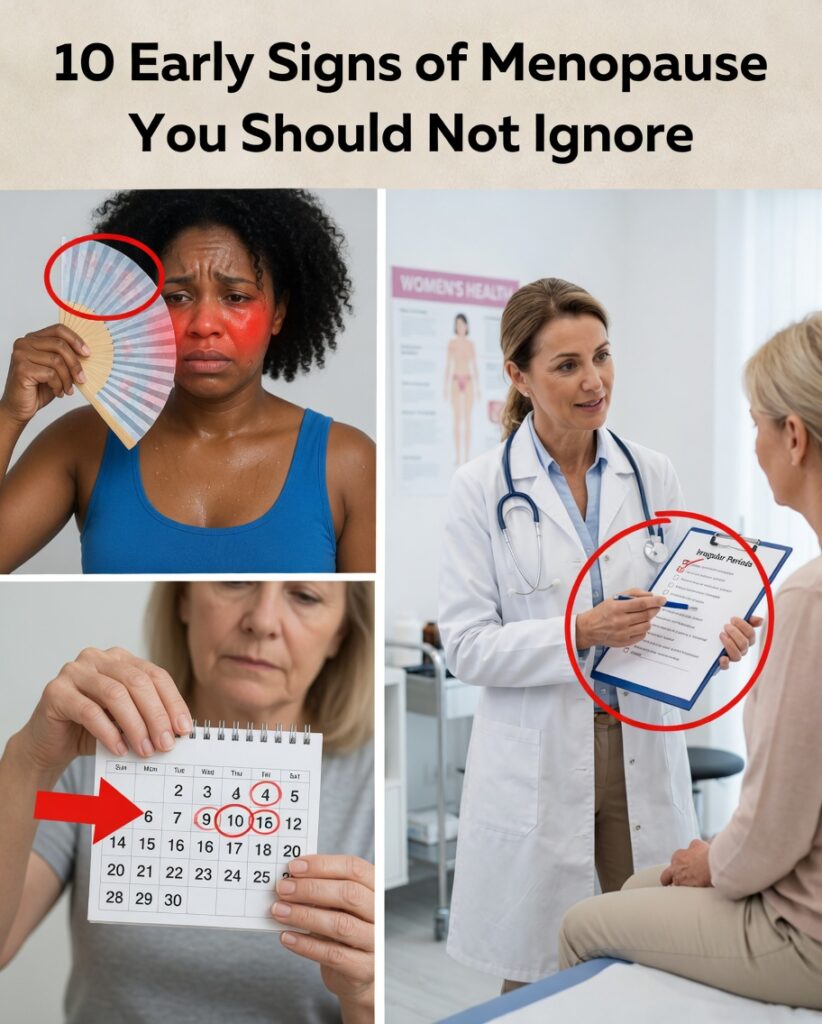
Hot flashes, irritability, and sleepless nights? Don’t ignore these early warning signs
Waking up drenched in sweat—again—while your period becomes unpredictable and your patience feels thinner for no clear reason can be frustrating and exhausting. What makes it even more confusing is that these changes may show up in your late 30s or early 40s, when you assume menopause is still far away.
Early menopause—when menopause happens before age 45—affects about 5% of women. Because it involves a significant drop in estrogen, it can influence sleep, mood, energy, and sexual health. The longer estrogen stays low, the more health risks may increase over time, including bone density loss and cardiovascular concerns.
The empowering part: spotting the signs early helps you take action sooner, reduce symptoms, and protect your long-term health. Read on to learn what early menopause looks like and what you can do—starting now—to feel like yourself again.
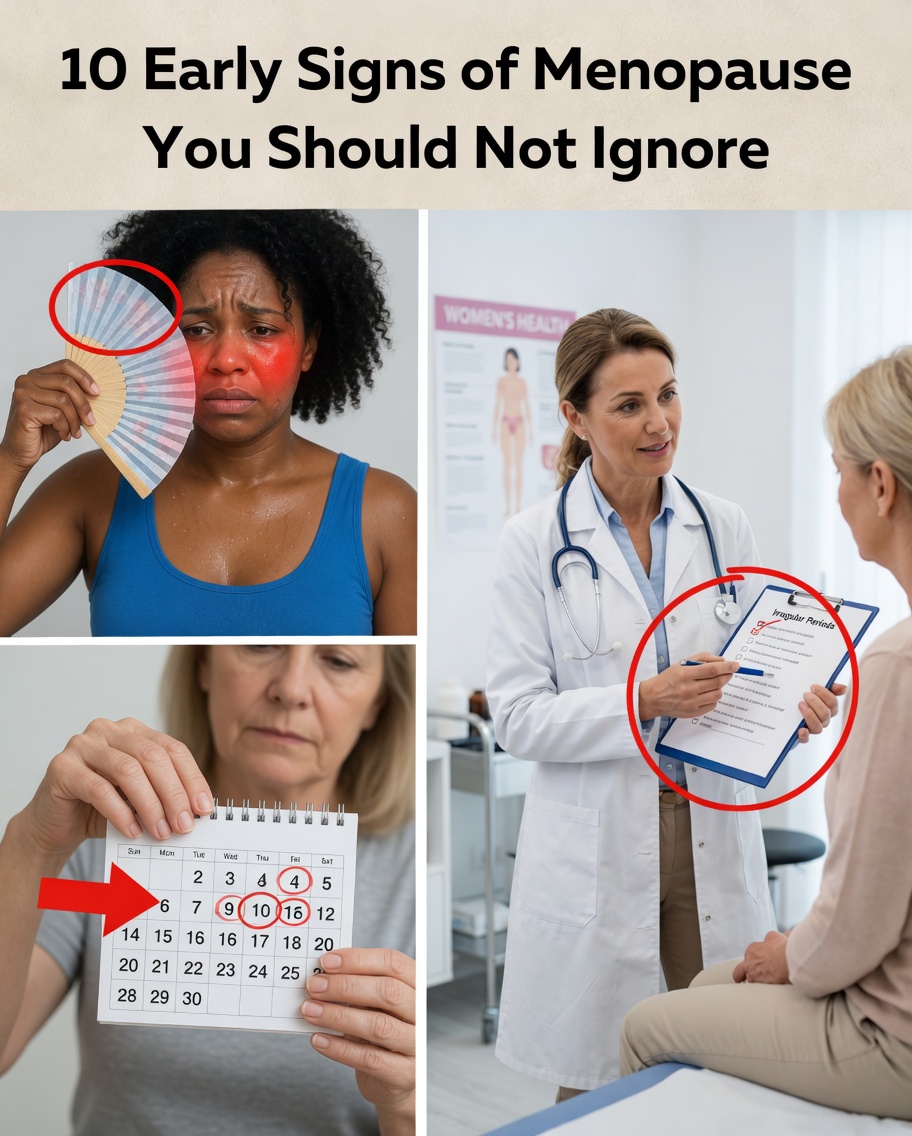
What is early menopause (and why it matters)?
Early menopause is diagnosed when menstrual cycles stop and menopause symptoms appear before age 45. Premature menopause (also called premature ovarian insufficiency in some contexts) refers to menopause that occurs before age 40. For reference, natural menopause typically happens around age 51.
This stage is about more than periods ending. Estrogen supports multiple body systems, including:
- Bone strength and remodeling
- Heart and blood vessel health
- Brain function and mood regulation
- Metabolic and inflammatory balance
When estrogen decreases earlier than expected, the body can become more vulnerable to issues such as osteoporosis and heart disease. Still, many women manage early menopause successfully with the right lifestyle adjustments and appropriate medical care.
The 10 most common signs of early menopause
These symptoms can resemble perimenopause, but they often appear earlier and may feel more intense.
1. Irregular periods (often the first clue)
Your cycle may become hard to predict. You might skip months, bleed more heavily, or notice shorter cycles.
2. Hot flashes and night sweats
Sudden waves of heat, facial flushing, and heavy sweating can occur. At night, they often disrupt sleep.
3. Vaginal dryness
Lower estrogen can thin and dry vaginal tissues, leading to irritation or pain during sex.
4. Mood swings, irritability, and anxiety
Hormonal shifts can affect brain chemistry, contributing to emotional ups and downs, short temper, or anxious feelings.
5. Sleep problems
Trouble falling asleep or staying asleep becomes more common—often worsened by night sweats.
6. Persistent fatigue
Even after a “good” night, you may still feel drained or low on energy throughout the day.
7. Brain fog and forgetfulness
You may experience reduced focus, more frequent forgetfulness, or a slowed “mental pace,” often temporarily.
8. Weight gain around the abdomen
Metabolism may slow, making it easier to accumulate fat, especially in the belly area.
9. Joint and muscle aches
Stiffness and body aches can show up as hormones influence inflammation and joint tissue.
10. Changes in libido
Sex drive may drop due to hormone changes, discomfort (like dryness), or emotional shifts.
Other possible symptoms some women report include: drier skin, hair thinning, headaches, heart palpitations, and more frequent urinary tract infections.
Why does early menopause happen?
In many cases, the exact cause isn’t fully clear. However, several factors are known to raise risk, including:
- Family history (genetics can play a role)
- Smoking
- Autoimmune conditions
- Medical treatments, such as chemotherapy
- Surgical removal of the ovaries
Certain lifestyle choices—especially quitting smoking and maintaining a nutrient-rich diet—can support hormonal and overall health.
Potential health risks of early menopause
When estrogen drops earlier, the body spends more years without its protective effects. This may increase the long-term risk of:
- Osteoporosis and fractures
- Heart disease
- Possible cognitive changes over time
That’s why early recognition and preventive strategies matter.
Practical ways to relieve symptoms naturally
You can start with simple, realistic steps that support hormone balance and symptom control:
-
Track your symptoms
- Note cycle changes, sleep patterns, hot flashes, mood shifts, and energy levels for a few months.
-
Protect your sleep
- Keep your bedroom cool, cut back on afternoon caffeine, and try relaxation techniques before bed.
-
Eat for hormone and bone support
- Focus on calcium, vitamin D, and phytoestrogen-rich foods like soy and flaxseed.
-
Exercise consistently
- Walking, yoga, and strength training can help support bone health, mood, and energy.
-
Manage stress daily
- Meditation, deep breathing, or scheduling real downtime can reduce anxiety and improve resilience.
-
Support intimacy
- Vaginal lubricants or moisturizers can ease discomfort from dryness and improve sexual comfort.
When to see a doctor
If you’re under 45 and notice irregular periods along with several of these symptoms, it’s important to seek medical guidance. A clinician can:
- Order hormone testing when appropriate
- Rule out other potential causes
- Recommend the most suitable treatment plan for your situation
Conclusion
Early menopause can catch many women off guard, but recognizing the warning signs makes a real difference. From period changes to mood shifts and low energy, these symptoms are valid—and there are effective ways to manage them.
With healthier habits, medical support, and careful attention to your body’s signals, you can move through this transition with more stability and a better quality of life. Small steps today can strongly protect your future well-being.