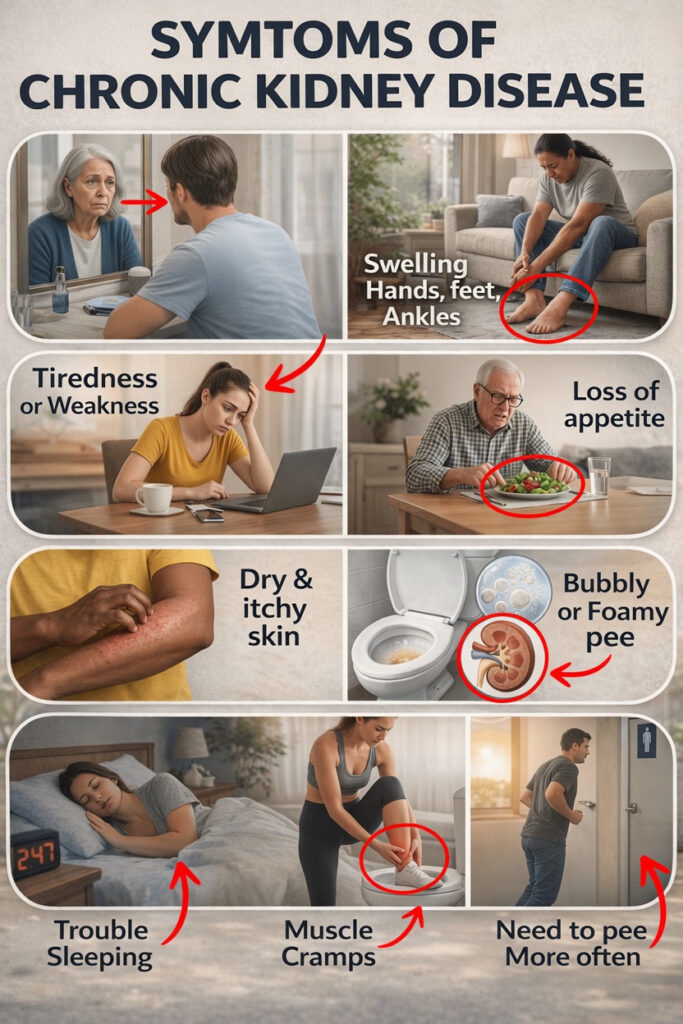
10 Early Warning Signs of Chronic Kidney Disease You Should Not Ignore
Waking up exhausted after a full night’s sleep. Swollen ankles by evening. Skin that feels unusually dry and itchy. Urine that suddenly looks different.
These signs are easy to dismiss as stress, aging, poor sleep, or everyday discomfort. But when several of them appear gradually and persist over time, they may be early indicators that your kidneys are not working as well as they should.
The encouraging part is this: identifying the warning signs of chronic kidney disease early can help you take action before the condition progresses.
This guide covers the most common early symptoms of chronic kidney disease (CKD), what they may signal, and practical steps you can begin right away to support kidney health. Be sure to read to the end—there is one simple daily habit many people overlook that may help protect the kidneys.
What Is Chronic Kidney Disease?
Chronic kidney disease develops when the kidneys gradually lose their ability to:
- filter waste from the blood
- maintain fluid balance
- regulate key minerals and electrolytes
- support other important body functions
The National Kidney Foundation reports that more than 1 in 7 adults in the United States lives with some form of CKD. Yet many people do not realize they have it until the disease has already advanced.
Why is it often missed? Because early kidney disease is usually silent. It rarely causes pain, and the first symptoms can be subtle. By the time obvious complications appear, considerable damage may already be present.
That is why recognizing the following 10 warning signs matters so much.
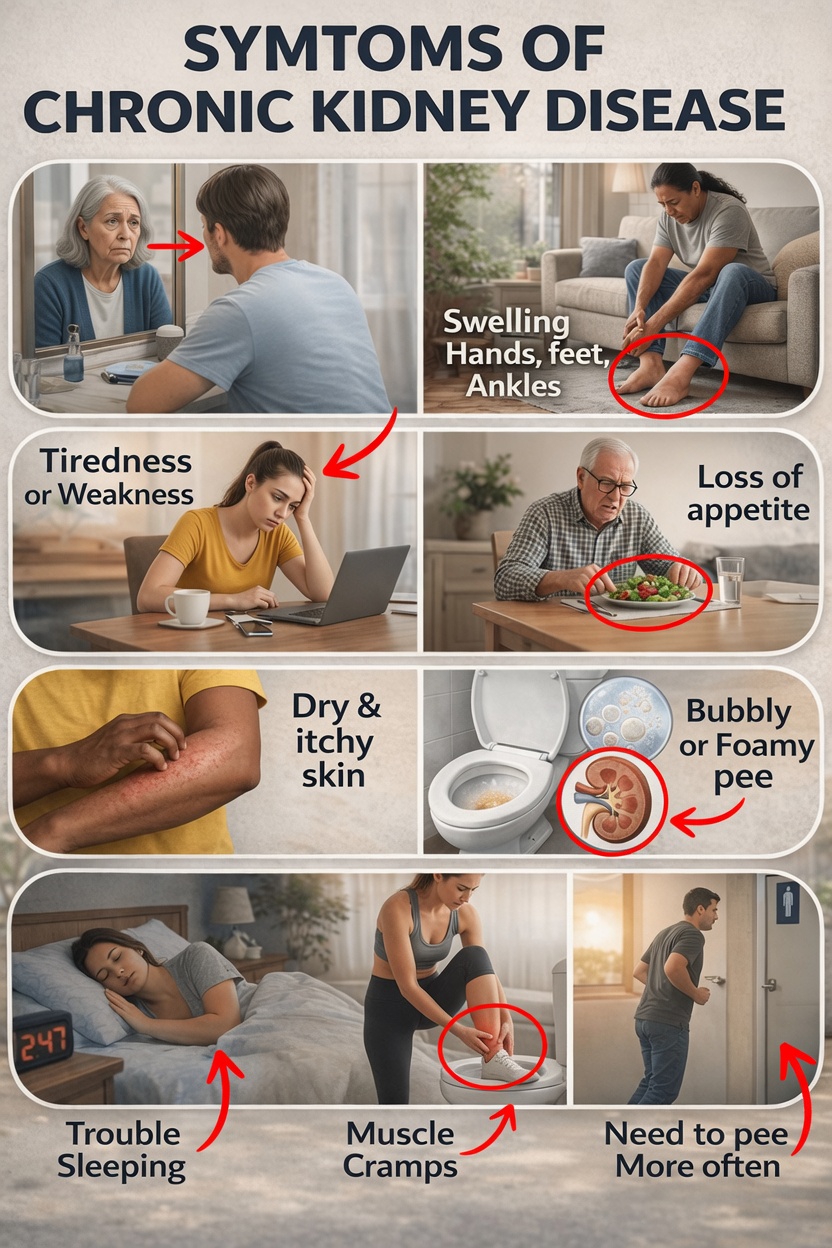
1. Ongoing Fatigue and Low Energy
One of the earliest and most frequent complaints is feeling worn out all the time, even after enough sleep.
Healthy kidneys produce erythropoietin, a hormone that signals the bone marrow to make red blood cells. When kidney function declines, the body may produce less of this hormone. That can lead to anemia, which reduces oxygen delivery throughout the body and leaves you feeling weak, sluggish, and drained.
Many people also notice:
- mental fog
- poor concentration
- reduced stamina
2. Swelling in the Feet, Ankles, Hands, or Face
If your ankles look puffy by the end of the day, your rings suddenly feel tighter, or your face appears swollen in the morning, your kidneys may be struggling to remove extra fluid and sodium.
When fluid accumulates in body tissues, doctors refer to it as edema. It often shows up most clearly in:
- the lower legs
- the ankles
- the hands
- around the eyes
A simple self-check: gently press a finger into the swollen area for about 5 seconds. If the indentation lingers for a few moments, that may be pitting edema and is worth discussing with a healthcare professional.
3. Foamy or Bubbly Urine
Urine that looks unusually foamy or bubbly, especially when the bubbles do not disappear quickly, can be an early sign of protein leaking into the urine.
Normally, healthy kidneys keep most protein in the bloodstream. But when the kidney filters become damaged, protein can pass into the urine. This is known as proteinuria.
Research published in the Journal of the American Society of Nephrology suggests that persistent foamy urine may show up long before more obvious kidney-related symptoms develop.
4. Puffy Eyes That Keep Coming Back
If swollen eyelids or under-eye puffiness are becoming a regular morning issue, and not simply the result of poor sleep, it may be another early clue.
Protein loss in the urine can lower blood protein levels, particularly albumin. When albumin drops, the blood becomes less effective at keeping fluid inside the blood vessels. As a result, fluid can leak into nearby tissues, especially the delicate area around the eyes.
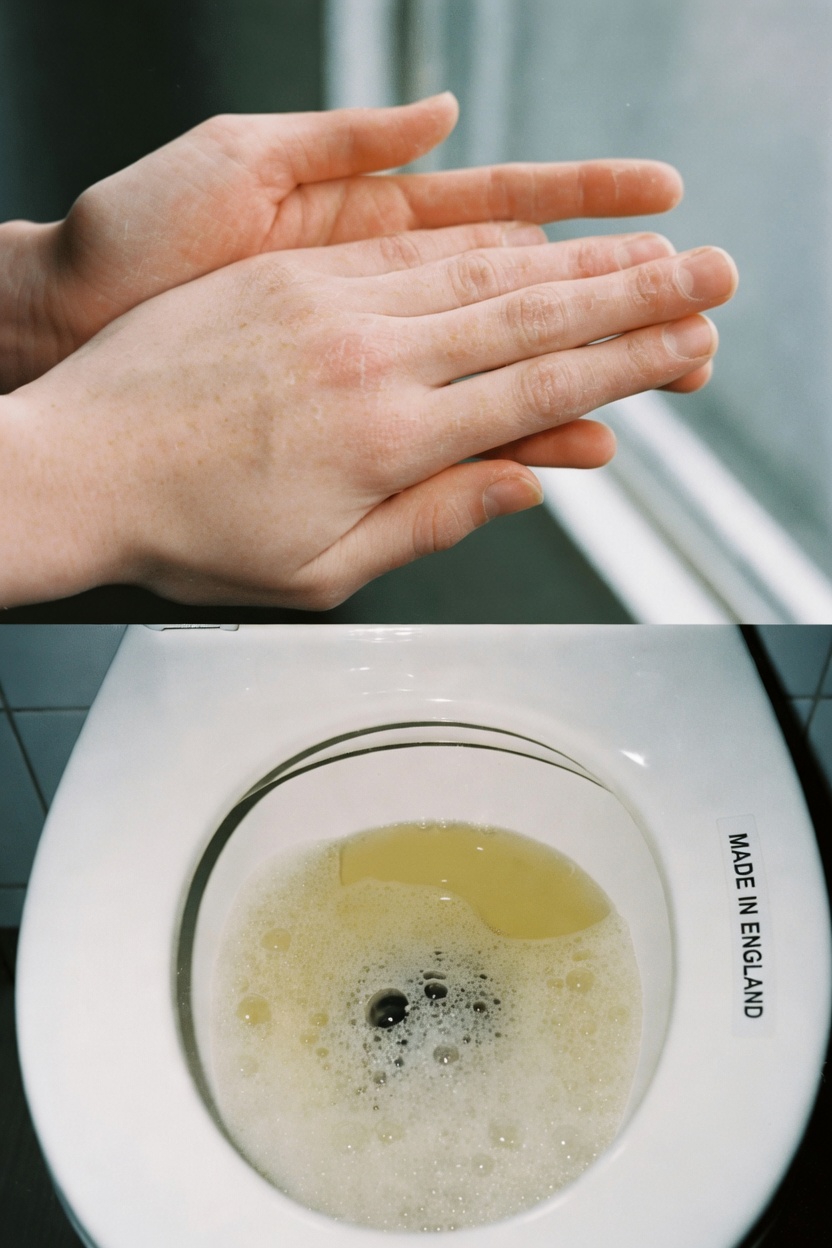
5. Dry, Itchy Skin
Skin that feels persistently dry or itchy without a visible rash can be surprisingly common in people with early or moderate kidney disease.
When the kidneys cannot properly remove waste or maintain the right balance of minerals such as phosphorus and calcium, these disruptions can affect the skin and irritate nerve endings.
If itching continues and typical skin care does not help, it is worth paying attention.
6. Sleep Problems or Restless Legs
Difficulty falling asleep, waking repeatedly during the night, or an uncomfortable urge to move your legs when lying down can all be linked to declining kidney function.
As waste products build up in the blood, sleep quality may suffer. Mineral imbalances, especially high phosphorus, may also contribute to restless legs syndrome, making it difficult to relax and stay asleep.
7. Muscle Cramps, Especially at Night
Painful leg cramps that suddenly wake you from sleep may be more than a hydration problem.
Kidney dysfunction can disturb electrolyte balance, including calcium, phosphorus, and potassium levels. These shifts may trigger involuntary muscle contractions that are sharp, sudden, and uncomfortable.
8. Urinating More Often, Especially Overnight
Needing the bathroom several times a night is not always just part of getting older.
In the early stages of CKD, the kidneys may lose some of their ability to concentrate urine. This can lead to larger amounts of diluted urine being produced throughout the day and night. The result is frequent urination, particularly nocturia, or nighttime urination.
9. Reduced Appetite, Metallic Taste, or Mild Nausea
When food starts tasting strange, your mouth has a metallic or ammonia-like flavor, or you feel full after only a small amount of food, waste buildup may be playing a role.
As toxins accumulate in the body, they can alter taste, reduce appetite, and cause low-grade nausea. Over time, some people unintentionally lose weight because eating becomes less appealing.
10. Shortness of Breath During Light Activity
In later stages of kidney disease, though sometimes earlier, extra fluid may build up in the lungs and make breathing harder.
At the same time, anemia caused by reduced kidney function can lower oxygen delivery to muscles and tissues. This can make even simple activities feel more tiring and leave you winded sooner than usual.
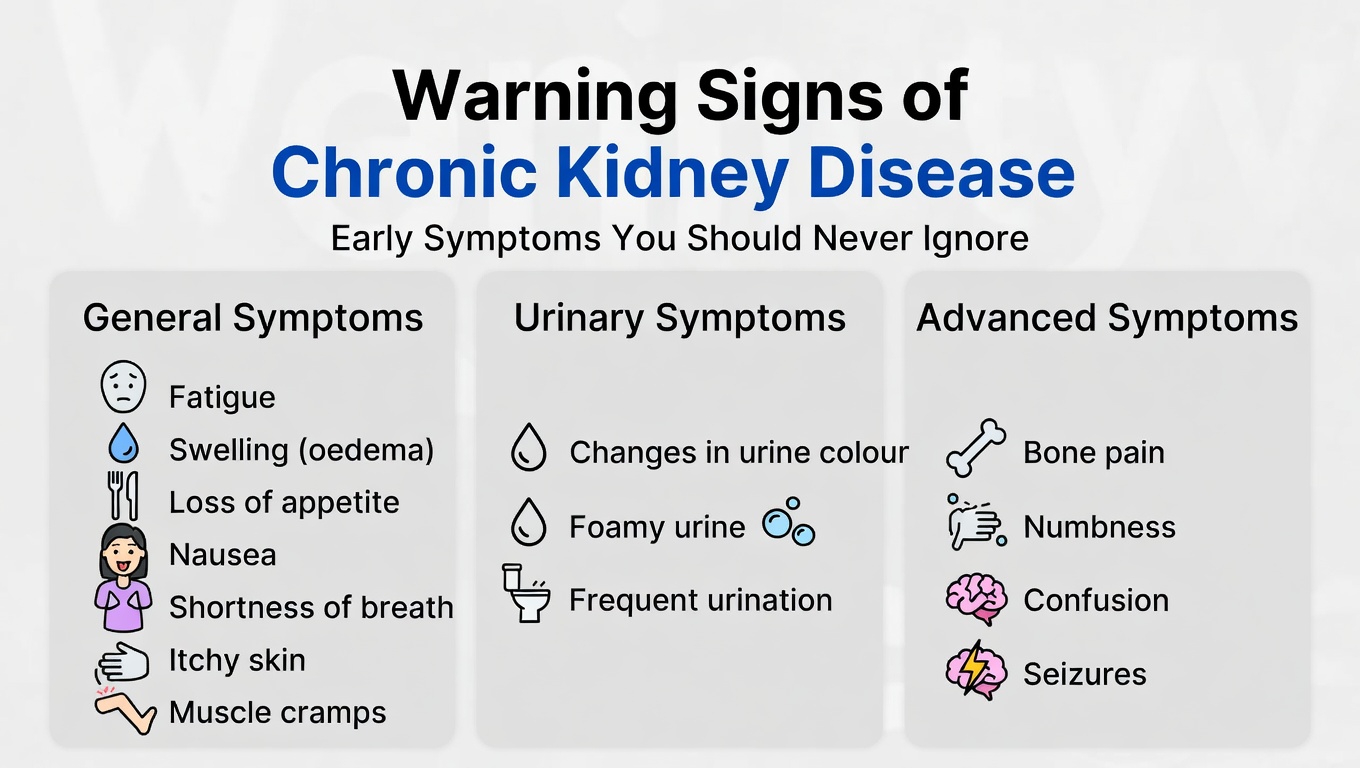
Quick Kidney Disease Symptom Checklist
You may want to save or print this checklist:
- feeling unusually tired most of the time
- swelling in the legs, ankles, hands, or face
- foamy urine lasting more than a few days
- puffy eyes in the morning
- ongoing dry, itchy skin
- difficulty falling or staying asleep
- frequent nighttime muscle cramps
- waking often to urinate
- food tasting unusual or appetite decreasing
- shortness of breath during normal daily activity
If you have noticed 3 or more of these signs consistently for several weeks, it is a good idea to talk to your doctor.
What You Can Do Right Now to Support Kidney Health
You do not need to wait for a formal diagnosis to begin kidney-friendly habits. These practical steps are supported by major health organizations and may help lower your risk or slow progression.
1. Know Your Kidney Numbers
At your next check-up, ask about these two key tests:
- Blood test: eGFR (estimated glomerular filtration rate)
- Urine test: albumin-to-creatinine ratio (ACR)
These simple tests can reveal early kidney changes long before symptoms become severe.
2. Cut Back on Sodium
Too much sodium can worsen swelling and raise blood pressure, both of which strain the kidneys.
Aim for:
- less than 2,300 mg of sodium per day
- ideally closer to 1,500 mg if you already have high blood pressure or fluid retention
3. Stay Hydrated Wisely
For most people, plain water is the best choice. Unless your doctor has told you to limit fluids, a common goal is around 1.5 to 2 liters spread across the day.
4. Choose More Kidney-Friendly Protein Sources
A balanced approach can help reduce kidney workload.
Try including more:
- beans
- lentils
- tofu
- other plant-based proteins
You can also moderate portion sizes of animal protein rather than relying on it at every meal.
5. Move Your Body Daily
Gentle daily activity helps manage two major drivers of kidney damage:
- high blood pressure
- high blood sugar
Even walking, stretching, or light exercise can make a meaningful difference when done consistently.
6. Eat More Kidney-Supportive Fruits and Vegetables
One daily habit researchers frequently highlight is eating more fruits and vegetables that are naturally lower in potassium and phosphorus when appropriate for your needs.
A colorful plate does more than look healthy. It can support blood pressure, reduce processed food intake, and benefit overall kidney health.
Frequently Asked Questions
Can early chronic kidney disease be reversed?
In some cases, early treatment and lifestyle changes can slow the disease significantly or help stabilize kidney function for many years. Whether full reversal is possible depends on the underlying cause, so medical guidance is essential.
Is foamy urine always caused by kidney disease?
No. Temporary bubbles may result from dehydration, urinating quickly, or even cleaning products in the toilet bowl. But urine that stays consistently foamy, especially if it resembles beer foam, should be evaluated.
When should you start paying attention to kidney health?
Risk tends to increase after age 50, but kidney disease can affect adults of any age. You should be especially alert earlier in life if you have:
- diabetes
- high blood pressure
- a family history of kidney disease
- frequent urinary tract infections
Final Thoughts
Your kidneys work quietly in the background every day, filtering roughly 120 to 150 quarts of blood without drawing attention to themselves. Often, they do not send clear signals until they are under real stress.
That is why early awareness matters. Recognizing subtle symptoms and acting early can have a major impact on how well your kidneys function in the years ahead.
If several of these warning signs sound familiar, consider scheduling a simple blood test and urine test with your doctor. It is one of the easiest and most important steps you can take to protect your long-term health.
This article is for informational purposes only and is not a substitute for professional medical advice, diagnosis, or treatment.