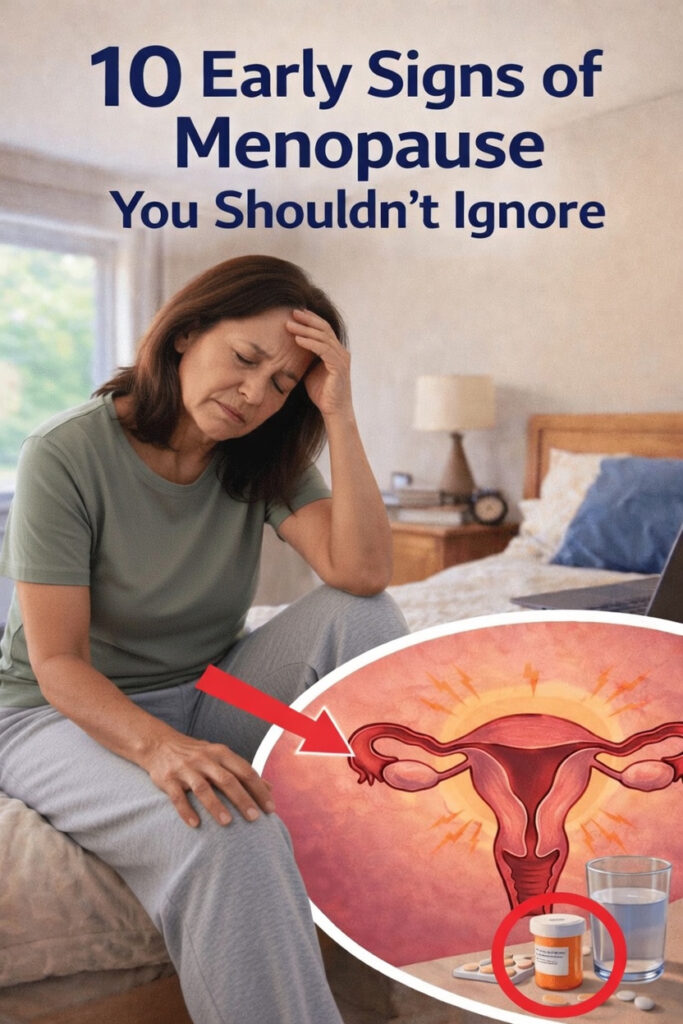
Early Signs of Perimenopause: What Many Women Notice in Their 40s
As women move through their 40s, it is common to notice small but meaningful changes in the body that may feel unfamiliar. Menstrual cycles may become unpredictable, sudden heat may appear out of nowhere, or emotional ups and downs may feel stronger than usual. These shifts can be confusing, especially when they seem to happen without a clear reason.
In many cases, these are early signs of perimenopause—the natural transition before menopause, when hormone levels begin to rise and fall unevenly. Health experts, including those at the Mayo Clinic, note that this stage affects most women in different ways and often starts several years before periods stop completely. Knowing the symptoms to look for can make this phase feel less uncertain and easier to manage. Later in this article, you will also find practical daily habits that many women use to support their well-being during this transition.
What Is Perimenopause and Why Is It Important?
Perimenopause is the stage leading up to menopause. It usually begins in the mid-40s, though some women experience it earlier. During this time, the body produces estrogen and progesterone less consistently, which can lead to a wide range of physical and emotional symptoms.
Menopause is officially defined as going 12 straight months without a menstrual period. According to major health organizations, the average age of menopause is around 51.
Although perimenopause is a normal life stage, the symptoms can still interrupt daily routines and affect quality of life. Research shows that as many as 85% of women experience hot flashes or related vasomotor symptoms at some point during this transition. Recognizing the early signs can help you monitor changes and speak with a healthcare professional when necessary.
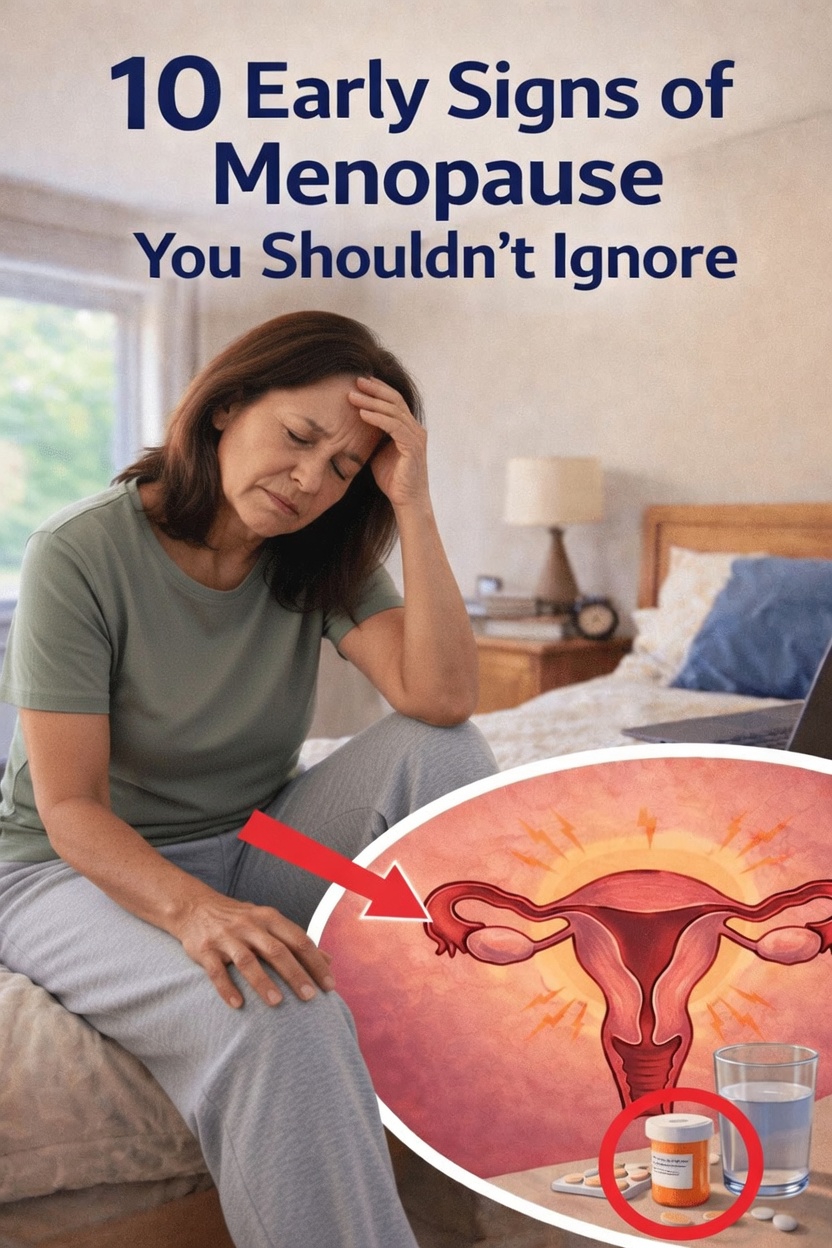
1. Irregular Periods: Often the First Noticeable Sign
A changing menstrual cycle is one of the most common early clues of perimenopause. Periods may come sooner or later than expected, become lighter or heavier, or last for a different number of days than they used to. Some women skip a month, while others notice spotting between periods.
The Mayo Clinic explains that a cycle changing by seven days or more can suggest early perimenopause. Longer gaps—such as 60 days or more between periods—may indicate a later phase of the transition.
Keeping track of your cycle with a calendar or mobile app can make it easier to identify patterns.
2. Hot Flashes and Night Sweats
A sudden surge of heat in the face, neck, or chest is one of the best-known symptoms of perimenopause. These episodes may last a few seconds or several minutes and are sometimes followed by chills.
At night, similar symptoms can show up as night sweats, often disturbing sleep and leaving sheets or clothing damp. Many women experience these symptoms most often in the years before menopause and shortly afterward.
Simple changes, such as wearing layers and keeping the bedroom cool, may help reduce discomfort.
3. Sleep Problems and Ongoing Fatigue
Falling asleep may become harder during perimenopause. Some women wake often during the night, while others find themselves waking too early and struggling to return to sleep. Night sweats can be part of the problem, but hormone changes alone may also reduce sleep quality.
Poor sleep often leads to daytime tiredness, lower concentration, and less energy. Research has shown that sleep disruptions during perimenopause can strongly affect mood and daily functioning.
4. Mood Swings and Emotional Changes
Hormonal fluctuations can influence brain chemistry, which is why many women experience emotional shifts during perimenopause. Irritability, anxiety, sadness, or sudden mood changes may appear more often than before.
Women who previously noticed emotional symptoms linked to PMS may find that these feelings become more intense or less predictable during this stage.
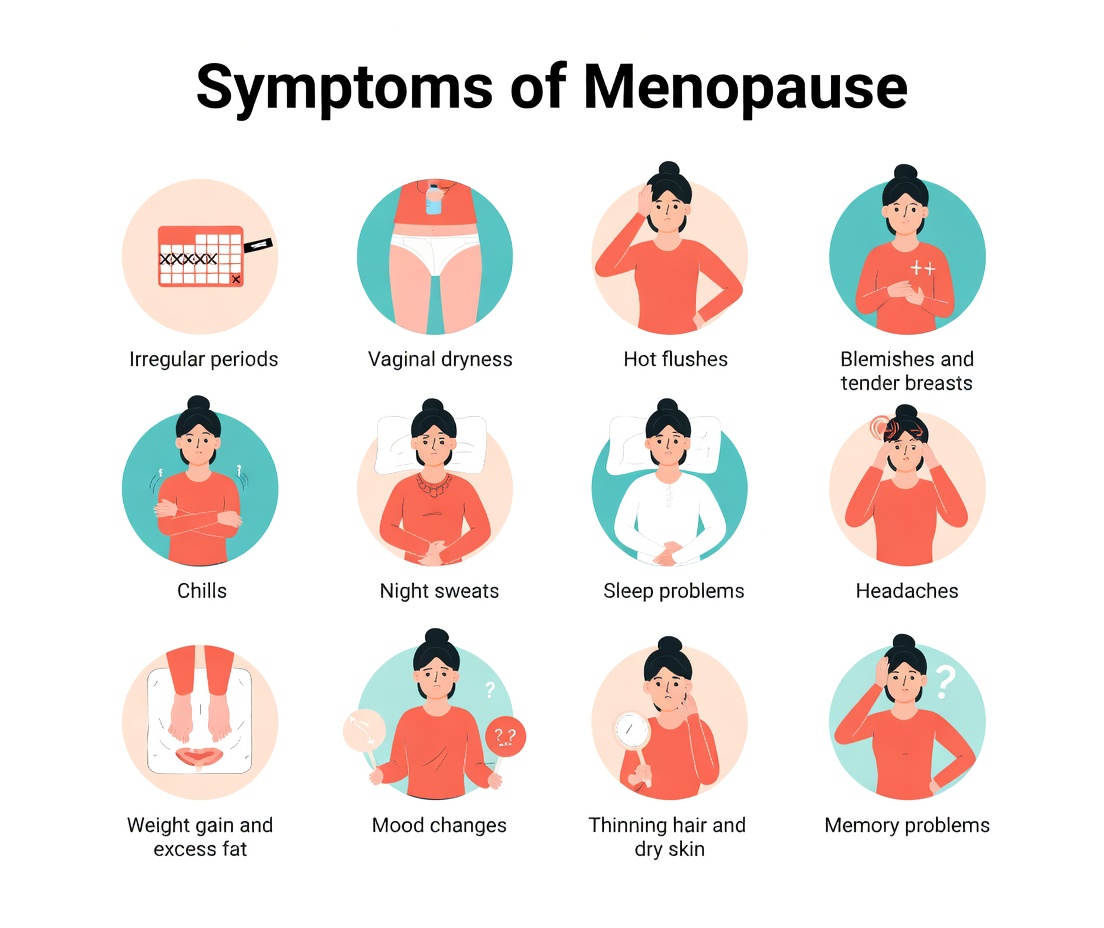
5. Vaginal Dryness and Discomfort
As estrogen levels decline, vaginal tissues may become thinner, drier, and more sensitive. This can lead to discomfort during everyday activities or intimacy. For many women, this symptom becomes more noticeable as perimenopause progresses.
Over-the-counter vaginal moisturizers made for this purpose are commonly used and may offer regular relief.
6. Brain Fog and Mild Memory Issues
Many women in perimenopause describe feeling mentally “foggy.” This can include trouble focusing, forgetting words, losing track of thoughts, or feeling less mentally sharp than usual.
This symptom, often called brain fog, can make routine tasks seem more difficult. Research suggests that for most women, these cognitive changes are temporary and often improve over time or with supportive lifestyle habits.
7. Changes in Sexual Desire
Hormonal changes can affect libido, and so can related symptoms such as fatigue, sleep loss, and vaginal dryness. Some women notice less interest in sex, while others experience a different physical response than before.
Honest communication and a willingness to adjust to what feels comfortable can help support intimacy during this time.
8. Weight Gain Around the Abdomen
Another common change during perimenopause is gradual weight gain, especially around the midsection. This may happen even if eating habits have not changed significantly. Hormonal shifts and a slower metabolism are often part of the reason.
Maintaining a balanced diet and staying physically active can support overall health and body composition.
9. Joint and Muscle Discomfort
Some women begin to experience more frequent aches in the joints or muscles. This may feel like stiffness, soreness after activity, or a general sense of physical discomfort.
Regular movement, especially gentle exercise, often helps reduce these symptoms and supports flexibility.
10. Other Unexpected Symptoms
Perimenopause can also bring symptoms that are less often discussed but still common. These may include:
- Headaches
- Heart palpitations
- Dry skin
- Increased urinary urgency
Not every woman will experience all of these signs, and symptoms can vary widely from person to person. Still, they can all be part of the broader hormonal changes that occur during this stage.
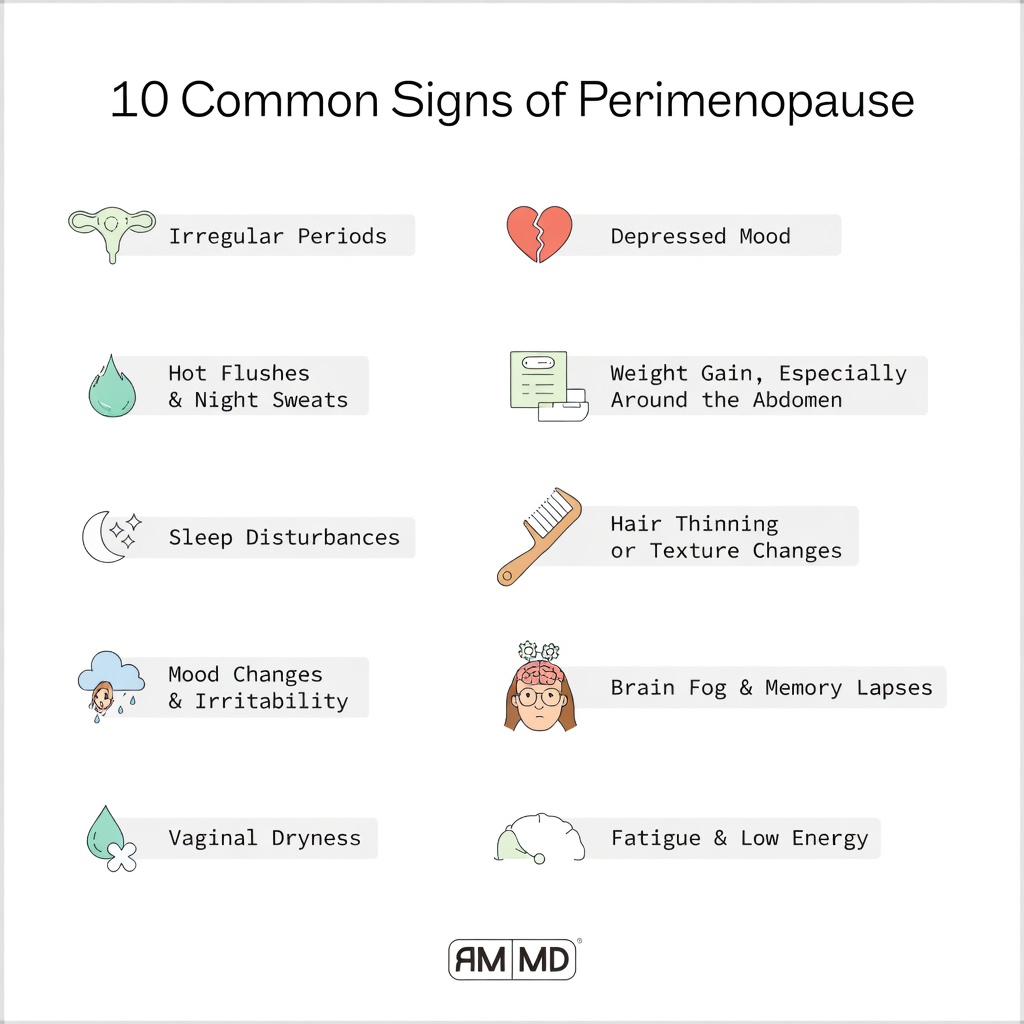
Quick List of Common Early Perimenopause Symptoms
For easy reference, here are some of the most common early signs:
- Irregular or changing periods
- Hot flashes and night sweats
- Sleep disturbances
- Mood swings or irritability
- Vaginal dryness
- Brain fog or difficulty concentrating
- Reduced libido
- Weight gain around the abdomen
- Joint or muscle aches
- Headaches or palpitations
Practical Ways to Support Yourself During Perimenopause
Every woman’s experience is different, but many find these everyday habits helpful:
- Track symptoms: Use a journal or app to record menstrual changes, sleep quality, mood, and physical symptoms.
- Make rest a priority: Build a calming bedtime routine and keep your sleeping space cool and comfortable.
- Stay physically active: Try to get about 30 minutes of moderate activity on most days, such as walking, stretching, or yoga.
- Choose balanced meals: Focus on whole foods, calcium-rich choices, and drinking enough water.
- Reduce stress: Deep breathing, meditation, and meaningful conversations with friends can help.
- Wear layers: Lightweight, breathable clothing can make hot flashes easier to handle.
- Seek professional advice when needed: If symptoms become difficult, a doctor can provide guidance tailored to your needs.
Small daily actions may not change everything at once, but consistency often helps women feel stronger and more in control over time.
When to See a Healthcare Provider
It is a good idea to speak with a healthcare professional if symptoms are significantly affecting your daily life. You should also seek medical advice if you experience:
- Very heavy bleeding
- Bleeding after going a year without a period
- Unusual spotting
- Symptoms that seem severe or concerning
A healthcare provider can check for other possible causes and discuss supportive treatment options if needed.
Conclusion: Moving Through This Phase With Confidence
Perimenopause and menopause bring real changes, but understanding the early signs can make the journey feel more manageable. When you know what is happening in your body, it becomes easier to respond with confidence and self-care.
Many women come through this stage feeling more informed, more aware, and more resilient. Pay attention to your body, take supportive steps where you can, and remember that you are far from alone—millions of women are navigating the same transition.
FAQ
What age does perimenopause usually begin?
Perimenopause often starts in the mid-40s, although it may begin earlier or later depending on the individual.
How long can perimenopause symptoms last?
Symptoms may continue for several years, and many women notice improvement after menopause.
Are hot flashes the same for every woman?
No. Hot flashes differ from person to person in frequency, intensity, and triggers.