Your Body May Already Be Warning You About Blocked Arteries—How to Respond Naturally Before It’s Too Late
Cardiovascular disease claims lives every few seconds worldwide, and blocked arteries are behind most heart attacks and strokes. What’s most concerning is that many of these events could be prevented—if the early warning signs were recognized in time.
Have you ever noticed chest tightness when climbing stairs, or a level of fatigue that doesn’t make sense and you blamed it on getting older? These aren’t always “normal.” They can be signals your circulation is struggling.
Over years, symptoms can appear quietly as fatty deposits narrow the arteries and reduce oxygen-rich blood to vital organs. Many people dismiss these changes—until a major event forces them to pay attention.
Why Can Arteries Become Blocked Without Obvious Pain?
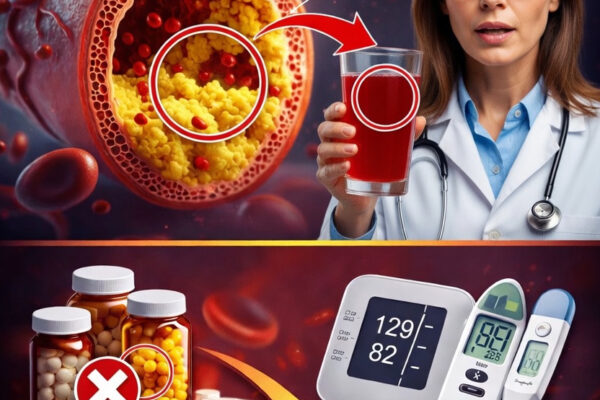
As time passes, cholesterol, fat, and calcium can build up along artery walls. This gradual process (often linked to atherosclerosis) may restrict blood flow without immediate pain. By the time clear symptoms show up, the blockage may already be significant.
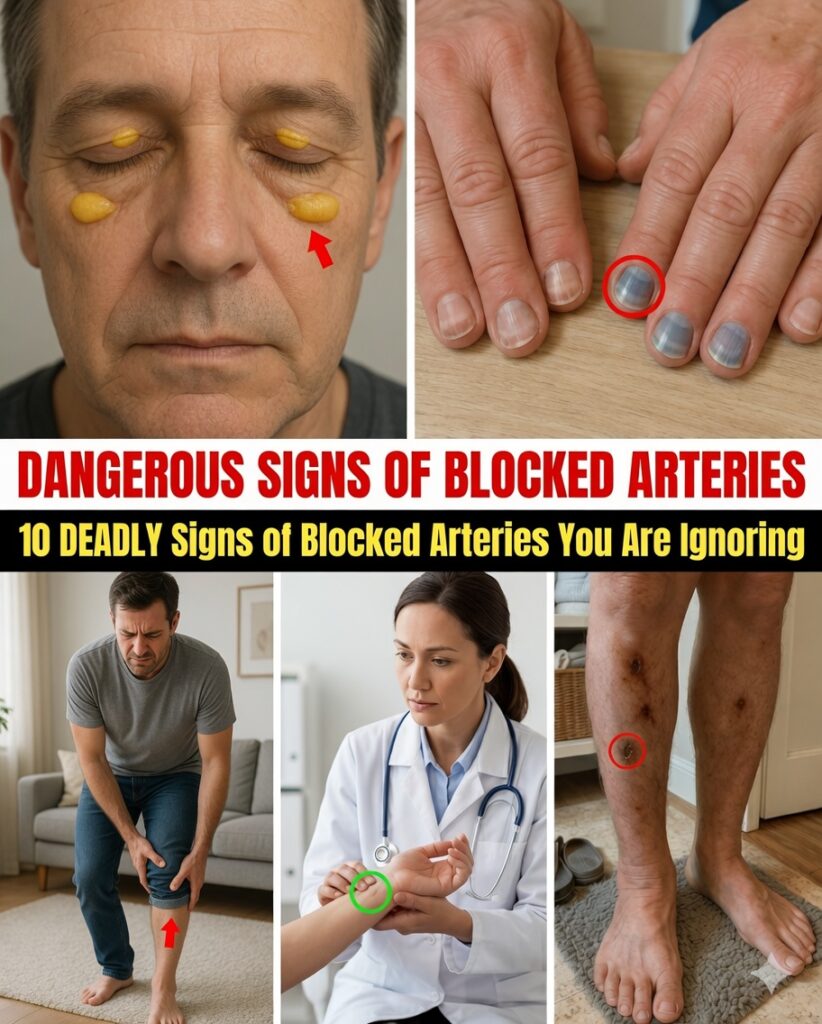
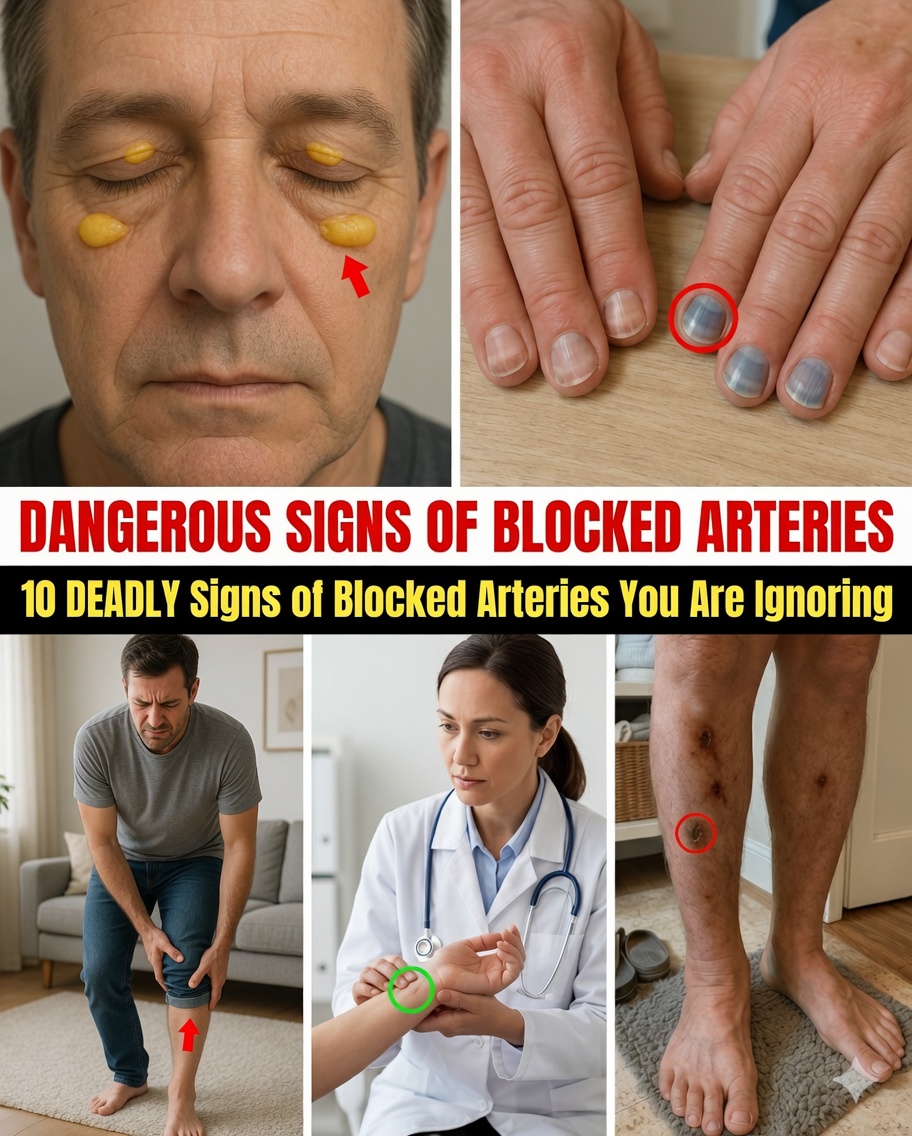
10 Warning Signs You Should Never Ignore
#10: Erectile dysfunction (in men)
Erectile dysfunction can be an early indicator of circulatory problems. Because penile arteries are smaller than coronary arteries, reduced blood flow may show up there first.
#9: Slow-healing sores and cold feet
Wounds that don’t heal well—especially on the legs or feet—along with cold extremities can point to poor peripheral circulation.
#8: Leg pain or cramps while walking
Pain, heaviness, or cramping that improves with rest may suggest peripheral artery disease (PAD) caused by narrowed leg arteries.
#7: Cold sweats and unexplained fatigue
Sudden cold sweating or persistent, unusual tiredness may happen when the heart is working harder to pump blood effectively.
#6: Referred pain (arms, jaw, back)
Heart-related discomfort doesn’t always stay in the chest. It can radiate into the left or both arms, the jaw, the neck, or the upper back.
#5: Sudden dizziness or nausea
When blood flow to the brain drops, you may feel lightheaded, dizzy, or nauseated—sometimes without obvious triggers.
#4: Shortness of breath
Feeling out of breath during light activity or even at rest can be a sign the heart and lungs aren’t getting the circulation they need.
#3: Chest discomfort (angina)
Angina may feel like pressure, tightness, squeezing, or burning—not always sharp pain. It can be mild, intermittent, and easy to dismiss.
#2: Mini-stroke-like symptoms (TIA)
Temporary numbness, trouble speaking, facial drooping, or brief vision loss can indicate a transient ischemic attack (TIA)—a critical warning sign for stroke risk.
#1: The 6 classic signs of acute ischemia (medical emergency)
If an extremity suddenly shows:
- Severe pain
- Paleness
- No pulse
- Numbness
- Paralysis/weakness
- Coldness
Treat it as an emergency and seek immediate medical help.
What You Can Do Right Now
- Pay attention to your body and note symptoms (when they happen, how long they last, what triggers them)
- Get a medical evaluation as soon as possible, especially if symptoms are new, worsening, or recurring
- Shift toward a whole-food, natural diet rich in vegetables and healthy fats
- Do regular light physical activity (consistent movement matters)
- Keep key numbers under control: blood pressure, blood sugar, and cholesterol
The Most Important Truth
Your body often sends signals before something life-changing happens. Ignoring those warnings can be costly—but taking action early can save your life.
Picture yourself 30 days from now: more energy, less anxiety, and the confidence that you made the right call for your heart health.
Save this article, share it with someone you care about, and start paying attention to the signs today—your heart will thank you.