Constant Fatigue, Skin Spots, or Unexplained Weight Loss? Your Body May Be Asking for Immediate Attention
Subtle changes are easy to dismiss—especially when life is busy and your mind is full of responsibilities. A new mark on your skin, brittle nails, or an unusual level of tiredness can seem harmless. Many people brush it off with a quick thought: “It’s probably just stress.” But when these small signs linger, a quiet question often appears: Am I overlooking something important?
The reassuring news is that learning to notice what your body is telling you can bring more calm and a stronger sense of control over your health. By the end of this article, you’ll also discover a simple weekly habit that takes only a few minutes yet can make a meaningful difference.
Why Early Awareness Matters So Much
Cancer often develops gradually. Many health organizations highlight that several cancers respond far better to treatment when detected early. That said, a new or unusual symptom does not automatically mean cancer—in fact, most of the time it’s not.
Still, one important principle remains true: your body often signals internal changes. The key is to watch for patterns, persistence, and progression, rather than panicking about a single isolated symptom.
Below are 10 commonly missed warning signs worth paying attention to.
1. Persistent, Unexplained Fatigue
Feeling tired after a long day is normal. But deep exhaustion that doesn’t improve with rest can be a sign that something in the body isn’t working as it should.
Watch for:
- Extreme fatigue lasting for weeks
- Weakness that interferes with daily tasks
- Shortness of breath with minimal effort
Fatigue deserves extra attention when it appears alongside other symptoms.
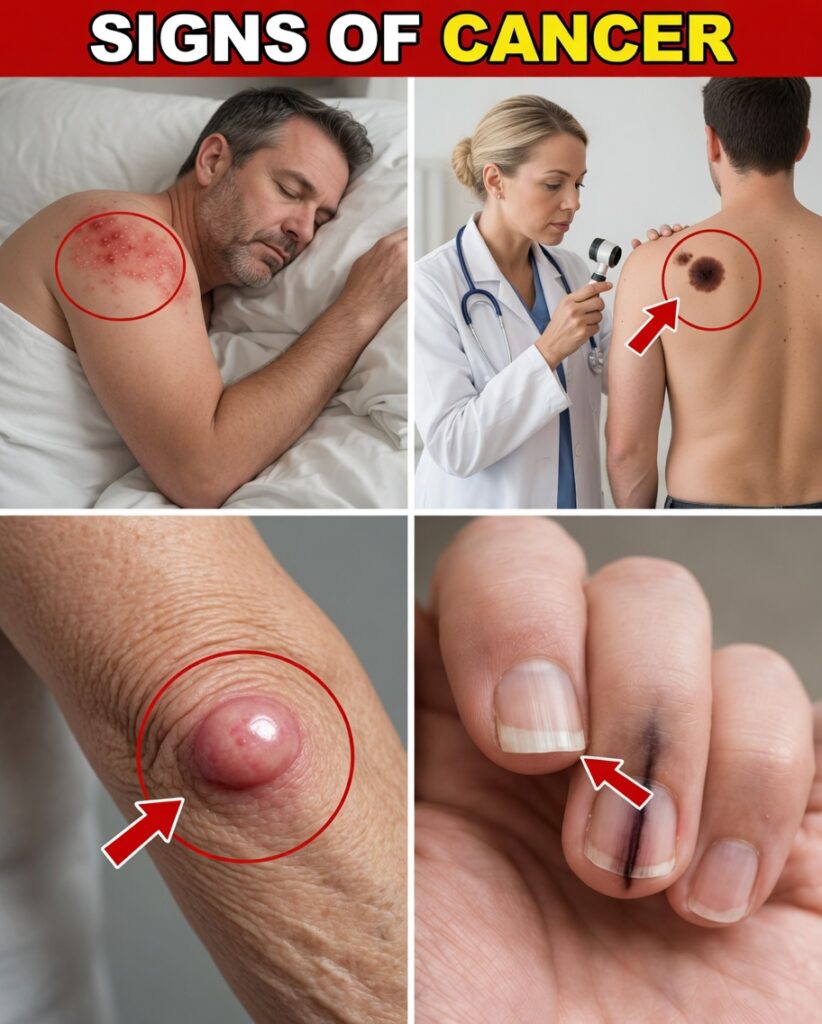
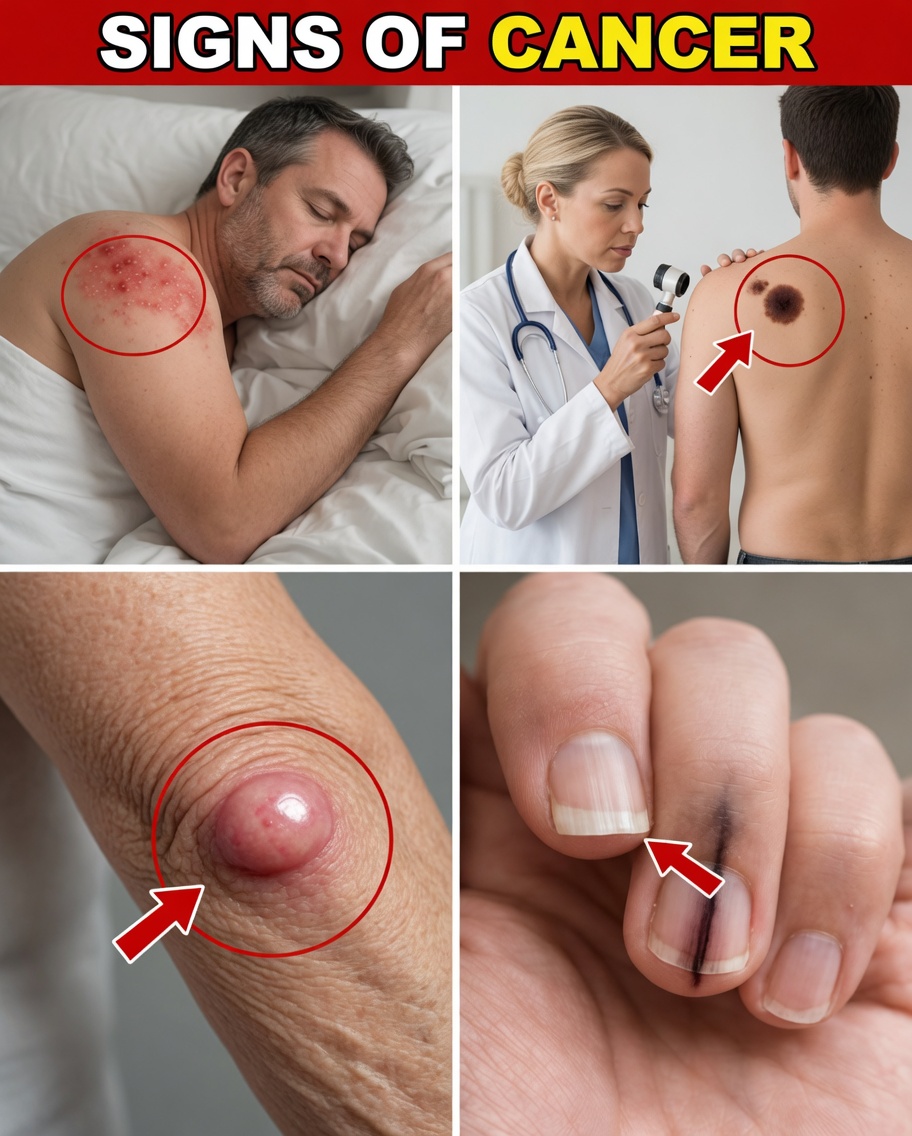
2. Unusual Skin Changes
Your skin can reveal what’s happening internally, sometimes earlier than you expect.
Pay attention to:
- Moles or spots that change in color, shape, or size
- Sores that don’t heal
- Yellowing or darkening of the skin
- Persistent itching without an obvious cause
Not every skin cancer looks dramatic. Some begin as small, subtle marks that slowly evolve over time.
3. Weight Loss Without Trying
Unplanned weight loss may feel like a “bonus” at first. However, losing more than 5% of your body weight within a few months without changing diet or activity should be checked.
Be especially alert if it happens with:
- Loss of appetite
- Trouble swallowing
- Frequent digestive discomfort
4. Ongoing Pain With No Clear Reason
Many aches are linked to overuse, posture, or aging. But pain that persists for weeks or gradually intensifies should be assessed.
Examples include:
- Constant back pain
- Headaches that feel different from your usual pattern
- Ongoing abdominal discomfort
Take it more seriously if pain worsens over time or disrupts sleep.
5. Changes in Bowel or Bladder Habits
Digestive and urinary shifts can come from diet, medications, stress, or infections. The concern rises when changes are consistent and unexplained.
Red flags include:
- Blood in stool or urine
- Prolonged constipation or diarrhea
- Urinating more often without drinking more fluids
6. A Cough or Hoarseness That Won’t Go Away
A lingering cough shouldn’t be ignored—especially when it lasts beyond the typical cold.
Monitor for:
- Cough lasting longer than three weeks
- Coughing up blood
- Ongoing hoarseness or voice changes
7. Increasing Difficulty Swallowing
Occasional choking or swallowing awkwardly happens to everyone. But progressive difficulty swallowing may point to a larger issue.
Possible signs:
- Feeling like food is stuck in the throat
- Pain when swallowing
- Frequent choking episodes
Many people adapt by switching to softer foods, which can hide the problem rather than solve it.
8. Unusual Bleeding or Discharge
Any unexpected bleeding deserves medical attention, even if it seems minor.
Examples include:
- Bleeding between menstrual cycles
- Bleeding after menopause
- Nipple discharge when not breastfeeding
- Blood in mucus/phlegm
9. Nail Changes You Shouldn’t Ignore
Nails can reflect internal health changes, yet they’re often overlooked.
Watch for:
- Dark streaks under the nails
- Excessive nail curvature (clubbing)
- Very pale or unusually white nails
10. Frequent Infections or Easy Bruising
Your immune system helps protect you from illness. If something disrupts that system, warning signs may show up.
Pay attention to:
- Repeated infections
- Slow wound healing
- Bruising often without a clear cause
How to Tell “Normal” Changes From Concerning Ones
Normal body changes typically:
- Are temporary
- Improve within a few days
- Have an identifiable cause
- Do not steadily worsen
Changes that deserve attention often:
- Last longer than three weeks
- Gradually get worse
- Appear without an obvious trigger
- Occur together with other symptoms
What You Can Start Doing Today
Simple steps can make a real difference in early detection and peace of mind.
-
Track changes regularly
Note what feels different and when it began. -
Do monthly self-checks
Look at your skin and nails in good lighting, and notice any physical changes. -
Keep up with routine health screenings
Preventive checkups and recommended tests are essential for catching problems early. -
Trust your instincts
If something feels “off” and stays that way, seek medical guidance. -
Support your health with daily habits
Balanced nutrition, regular movement, enough sleep, and avoiding tobacco can reduce health risks.
And here is the simple habit mentioned at the beginning: set aside five minutes each week to check in with your body. Pause, take a slow breath, and mentally scan for anything that has changed. This small act of body awareness can help you notice early signs without fueling anxiety.
Conclusion
The body rarely shifts suddenly without sending small signals first. Ongoing fatigue, skin changes, unexplained weight loss, or new disruptions to everyday habits may deserve attention.
The goal isn’t fear—it’s awareness. When you listen to your body and seek medical advice when needed, you greatly improve your chances of addressing health concerns at the right time.